Most people believe they are good judges of character. They trust their instincts, read the room, and form impressions quickly. The research tells a different story. Human judgment is noisy, biased, and easily fooled by confidence, charm, and context.
The three books below each explain a different reason our judgments go wrong—and what it takes to see people more clearly.
1. Awakening to Human Nature by Owen Pierce
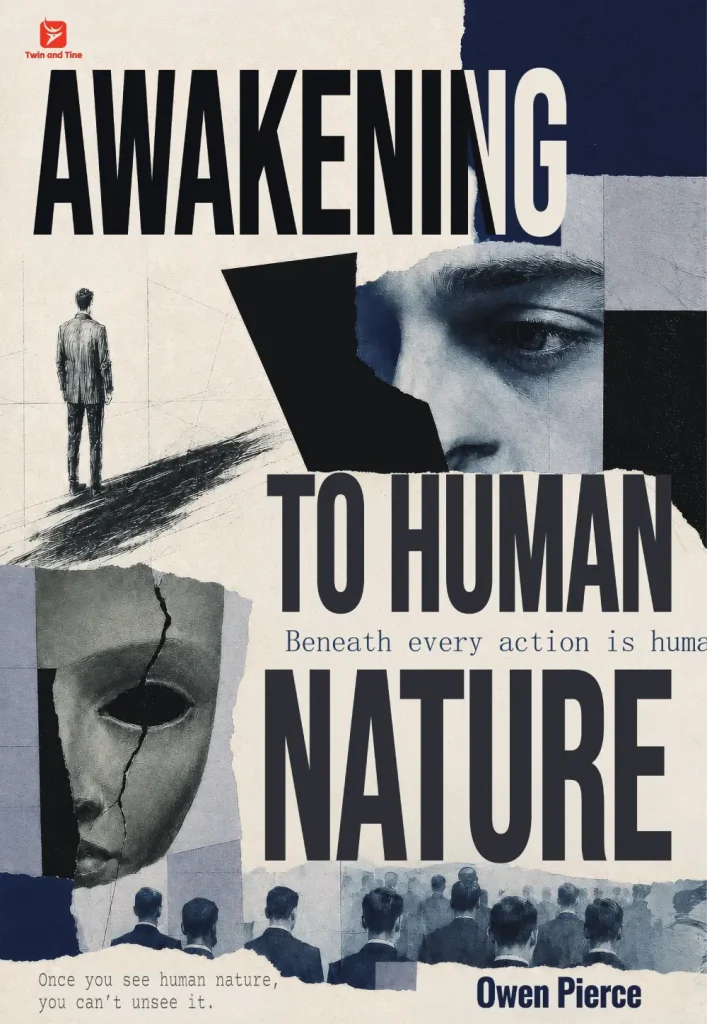
Why your first impression is often wrong.
Pierce opens with a section on cognitive laws, and it gets directly to the heart of why we misjudge people. Perception overrides truth. Self-deception runs deeper than most people admit. Social approval rarely aligns with reality.
He explains why we see what we expect to see. Why confidence reads as competence. Why charm feels like trustworthiness. Why we attribute other people’s failures to character and our own to circumstance. These are not random errors. They are patterns baked into how the human mind processes social information.
The book also covers something most judgment books ignore: the stories we tell ourselves about the people we are judging. We do not observe them neutrally. We filter everything through our own fears, needs, and past experiences. Pierce shows you how to notice that filter—and how to see past it.
If you have ever been completely wrong about someone, this is where to start.
For anyone who wants to understand why their judgments keep failing.
Awakening to Human Nature
Owen PierceYou saw the signs. You just didn’t know what they meant yet.
Learn how to notice the patterns behind people’s words, choices, loyalty, pressure, and changing behavior.
2. Noise by Daniel Kahneman, Olivier Sibony, and Cass R. Sunstein
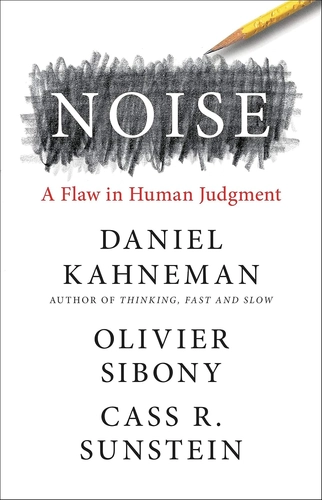
Why even experts disagree with themselves.
Kahneman and his co-authors make a distinction most people miss. Bias is systematic error. Noise is random error. And noise is everywhere.
They show how two doctors can look at the same X-ray and reach different conclusions. How two judges can sentence the same crime differently. How two hiring managers can interview the same candidate and walk away with opposite impressions. The judgments are not just biased. They are inconsistent.
This matters for judging people because it means your judgment on any given day depends on factors you are not aware of. Your mood. The time of day. The order in which you met people. How tired you are. The weather. None of it is relevant. All of it shapes your conclusions.
The book offers practical strategies for reducing noise—structured interviews, independent evaluations, decision guidelines. It is dense, but it is the most thorough examination of why human judgment fails.
For anyone who wants to understand why even careful judgments go wrong.
3. The Halo Effect by Phil Rosenzweig
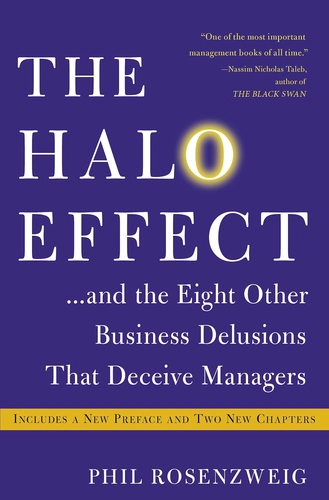
How one positive impression distorts everything else.
Rosenzweig wrote this book for business readers, but its central insight applies to every judgment you make about people. The halo effect is our tendency to let one positive trait color everything else.
When someone is attractive, we assume they are also smart, kind, and competent. When someone is successful, we assume they are disciplined, insightful, and deserving. When someone is confident, we assume they know what they are talking about. One bright spot creates a halo that blinds us to everything else.
Rosenzweig shows how this distorts our judgments about companies, leaders, and performance. He also shows how it distorts our judgments about people. We build a story around one impression, then filter all new information to fit that story. We ignore contradictions. We explain away red flags. We convince ourselves we saw what we expected to see.
The book is a warning against confident storytelling. It teaches you to separate what you actually observed from the narrative you built around it.
For anyone who has ever been fooled by someone who seemed impressive.
| Best for | |
|---|---|
| Awakening to Human Nature | Understanding the cognitive biases behind misjudgment |
| Noise | Recognizing how random inconsistency distorts decisions |
| The Halo Effect | Seeing how one impression colors everything else |
These three books each explain a different layer of why we judge people inaccurately. Pierce shows you the biases you bring. Kahneman and his co-authors show you the noise you cannot control. Rosenzweig shows you the stories that blind you.
If you are tired of being wrong about people, start with the one that shows you what you have been missing.
If you found this helpful, these books go deeper into the same themes.




Break the Anxiety Circle
$19.90

From Debt to Wealth
$19.90

