You have heard the usual advice. Skip the daily coffee. Cancel unused subscriptions. Cook at home instead of eating out. It is not wrong. It is just not enough.
The people who actually build wealth do not save money by cutting small expenses. They save by understanding how money actually works—and by making decisions that most people never think about.
If you want to go beyond the basics and learn the strategies that actually move the needle, these five books cover exactly what you need.
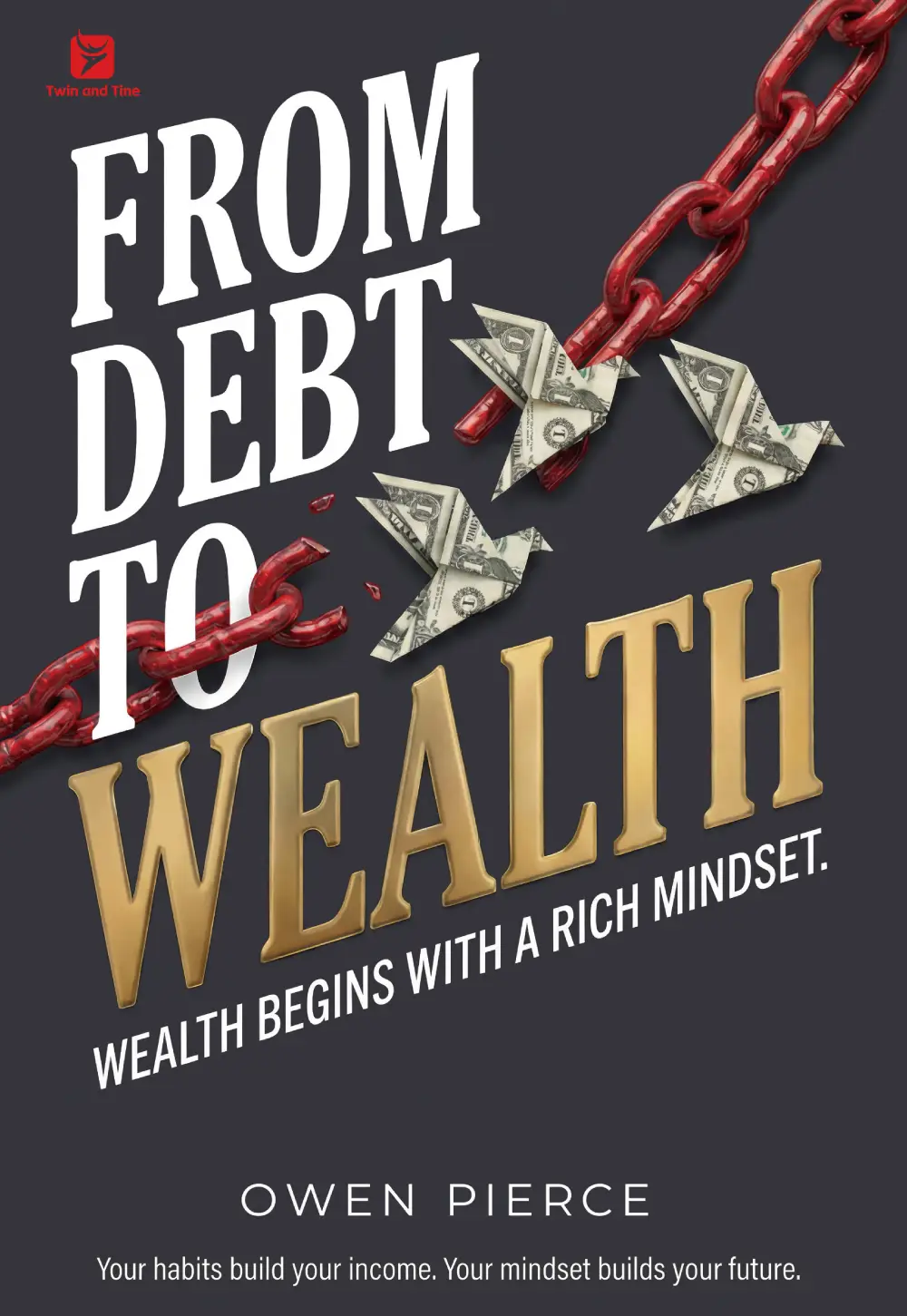
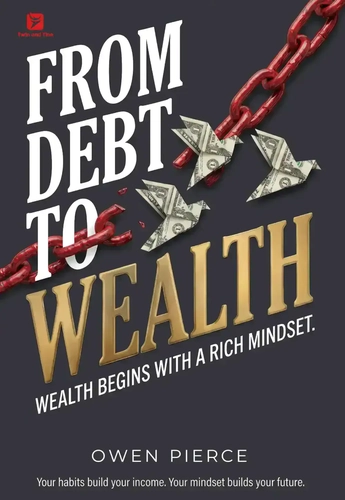
1. From Debt to Wealth by Owen Pierce
What if the problem is not how much you spend—but how you think about money?
Most people believe wealth is a reward for hard work. Work more hours. Earn a bigger paycheck. Buy things that signal success. And end up deeper in debt.
Pierce flips this. Wealth is not compensation for effort. It is compensation for cognition. It comes from making money work for you, not trading time for income. It grows when you invest in yourself, leverage resources, and build assets instead of buying liabilities.
The book explains why a salary is a starting point, not a destination. Why luxury drains wealth instead of building it. Why the poor seek comfort while the rich embrace discomfort. And why the fastest path to financial freedom is not a bigger paycheck—it is a better system.
For anyone who keeps earning more and feeling poorer.
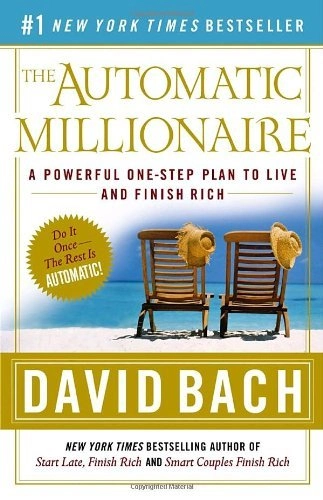
2. The Automatic Millionaire by David Bach
What if you could save money without thinking about it?
Bach’s book is built on one simple idea: you do not need willpower. You need a system. His argument is that most people never get ahead because saving requires a decision—and decisions require willpower. The solution is to automate your savings so you never have to make that decision.
The book walks you through the “Latte Factor” and the “Pay Yourself First” philosophy. The idea is simple: before you pay anyone else, pay yourself. Automate a percentage of your income into savings and investments before you ever see it. What you do not see, you cannot spend. It is one of the most effective saving strategies because it removes the human element.
For anyone who knows they should save but never actually does.
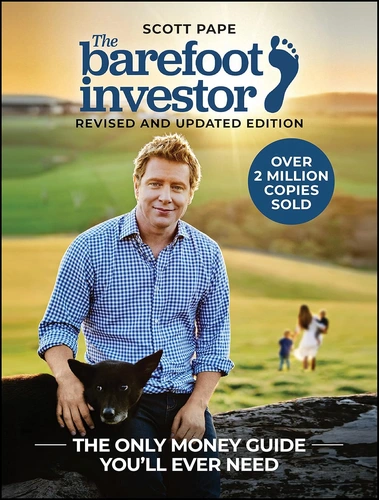
3. The Barefoot Investor by Scott Pape
A practical, no-nonsense system for managing your money.
Pape wrote this book because he saw the same problem over and over: people know they should save, but they never do. Their money sits in a single account. Bills come out. They spend what is left. And at the end of the month, there is nothing.
His system is built around splitting your money into separate accounts as soon as it arrives. One for bills. One for daily spending. One for saving. One for investing. One for fun. The money does not mix. You never see it all together. And you never spend what you intended to save.
What makes this book valuable is the simplicity. You do not need spreadsheets or financial expertise. You need a few accounts and an hour to set them up. Once it is done, your money flows where it is supposed to go—automatically, every month, without you making the decision.
For anyone who needs a system that works without constant attention.
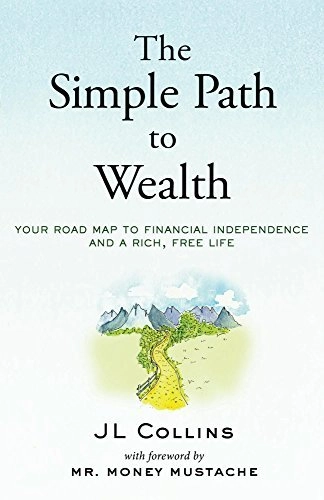
4. The Simple Path to Wealth by JL Collins
What if investing could be simple enough for anyone to do?
Collins wrote this book for his daughter. He wanted her to understand how to build wealth without spending her life watching the stock market. His argument is straightforward: you do not need to be an expert. You need to understand a few things and do them consistently.
The book focuses on index fund investing. Low-cost. Diversified. Automatic. He explains why most people fail at investing—they try to time the market, chase returns, and let emotions drive decisions. The solution is to automate the process and never look at your portfolio.
The book also covers the saving rate. The single most important factor in building wealth is not investment returns. It is how much you save. Collins argues that the person who saves 50% of their income and invests in index funds will always outperform someone who saves 10% and chases high returns.
For anyone who wants investing advice that is simple enough to actually follow.
5. Your Money or Your Life by Vicki Robin and Joe Dominguez
What if saving money is about redefining what money means?
This book is different from the others. It is not about getting rich. It is about rethinking your entire relationship with money. It asks a simple question: what is money actually for? The book argues that money is your life energy. When you spend money, you are spending hours of your life that you will never get back.
Once you see money that way, everything changes. You stop spending on things that do not matter. You start prioritizing what actually adds value to your life. The book includes a step-by-step program for tracking your spending, reducing expenses, and reaching financial independence.
For anyone who wants to completely rethink what money is for.
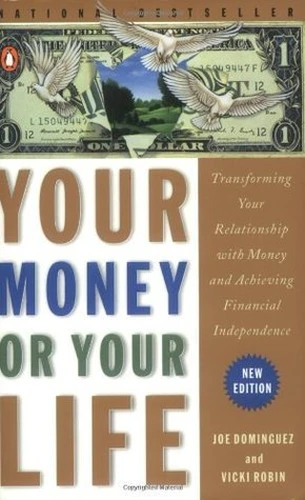
These five books each offer a different angle on saving money. Pierce rewires how you think about wealth. Bach shows you how to automate your savings. Pape gives you a practical system. Collins simplifies investing. Robin and Dominguez help you rethink what money means.
Frequently Asked Questions
I already know I should save more. Why is that not enough?
Knowing is not the same as doing. Most people know what they should do with money. They still do not do it. The gap is not knowledge. It is behavior. These books help you close that gap by understanding why you keep making the same choices—and how to design a system that makes good decisions automatic.
What is the most common mistake people make when trying to save money?
Trying to save by cutting small expenses. That is a distraction. The real savings come from big decisions: housing, transportation, and lifestyle inflation. Most people focus on the $5 coffee and ignore the $500 car payment. Several of these books cover this directly.
If I can only read one, which should it be?
That depends on where you are stuck. If you need a complete mindset shift, start with From Debt to Wealth. If you need a system you can set up in one afternoon, start with The Automatic Millionaire or The Barefoot Investor. If you need investing advice that is simple enough to actually follow, start with The Simple Path to Wealth. Pick the one that matches your biggest block.