You’ve done the math. You know how much you earn. You know how much you spend. And you know the gap between those two numbers hasn’t changed in years, no matter how hard you work or how many raises you get.
The problem isn’t that you’re not capable. It’s that you’ve been playing a game with rules that keep you exactly where you are.
This article explores three books that explain how money actually gets made, and how to finally break out of the earning ceiling you’ve been stuck under.
Book 1: From Debt to Wealth by Owen Pierce
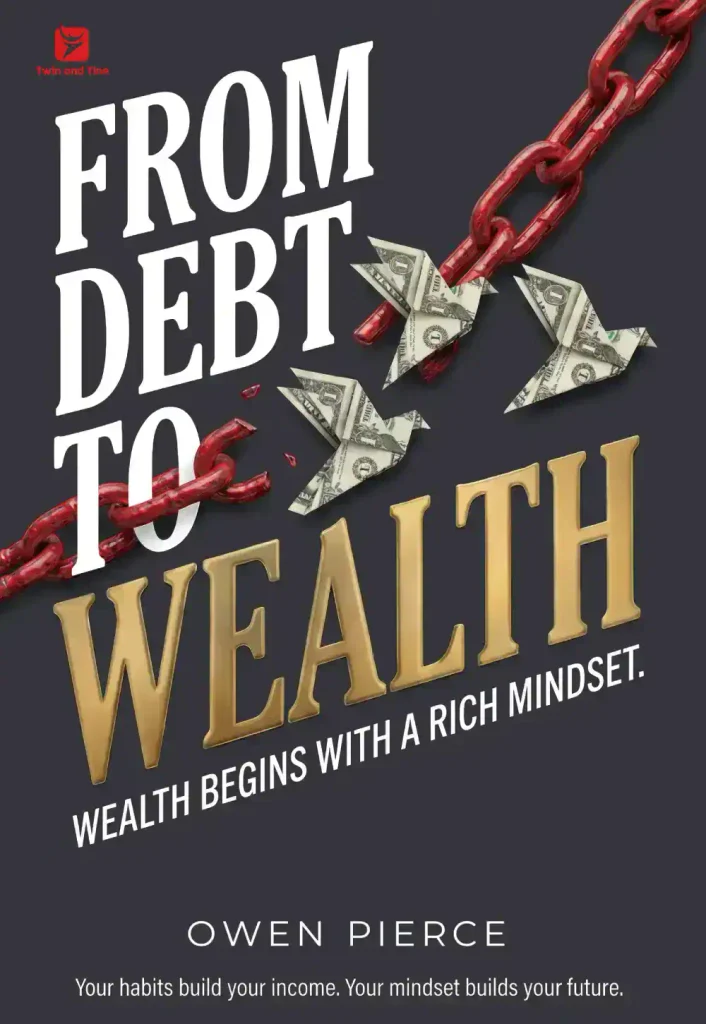
Working more hours won’t make you more money. Changing how you think about money will.
Most people believe income grows through effort. More hours, more hustle, more sacrifice. This book explains why that belief keeps you stuck. It shows you why a salary is a starting point, not a destination, and why the wealthy focus on leverage and systems rather than trading time for pay.
You’ll learn why the basic logic of making money is the information gap, not the willingness to work harder than everyone else. Why skills come first and money second. Why money flows to the person who removes the most friction. And why your paycheck, the thing you’ve been told represents security, is actually the thing keeping you trapped.
It also challenges the belief that you’re broke because you don’t have money. You’re broke because your thinking hasn’t caught up to what actually creates it. Once it does, the ceiling disappears.
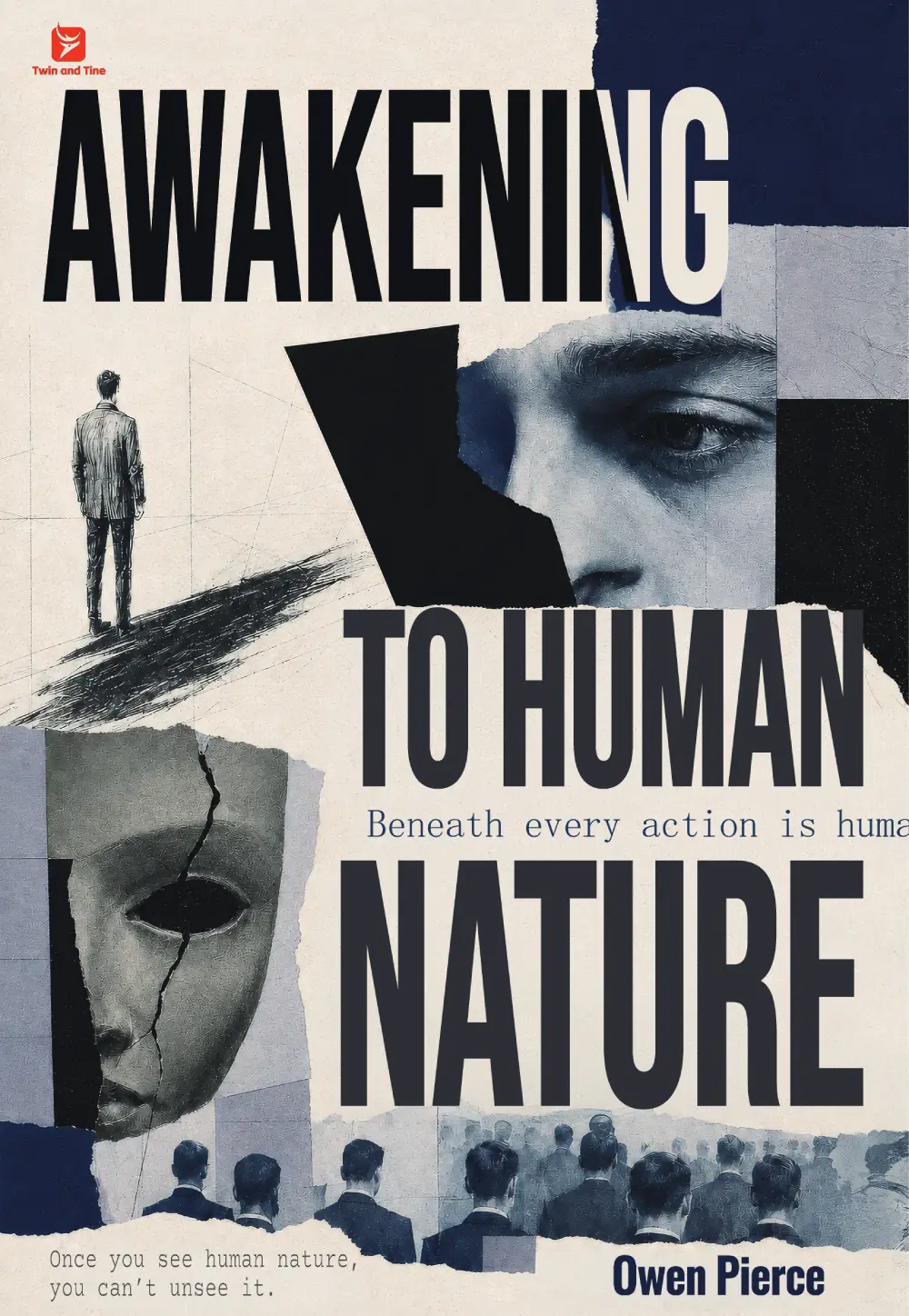
Awakening to Human Nature
Owen PierceYou saw the signs. You just didn’t know what they meant yet.
Learn how to notice the patterns behind people’s words, choices, loyalty, pressure, and changing behavior.
Book 2: The 4-Hour Workweek by Tim Ferriss
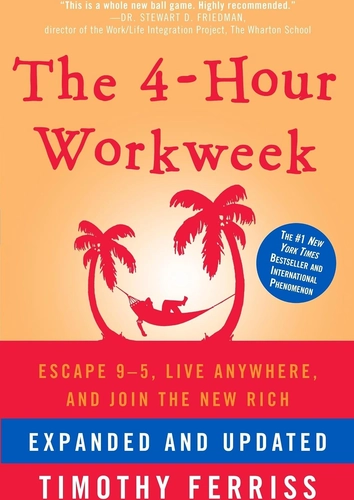
This book challenges the assumption that making more money requires working more.
Ferriss argues that the goal isn’t just to earn more. It’s to earn more while working less, by eliminating everything that doesn’t produce results and building systems that generate income without your constant presence.
You’ll learn how to negotiate remote work, outsource low-value tasks, and build small automated income streams that don’t require you to be there. It’s not about getting rich quick. It’s about changing the structure of how you earn, so your income isn’t permanently tied to your hours.
Book 3: Rich Dad’s Cashflow Quadrant by Robert Kiyosaki
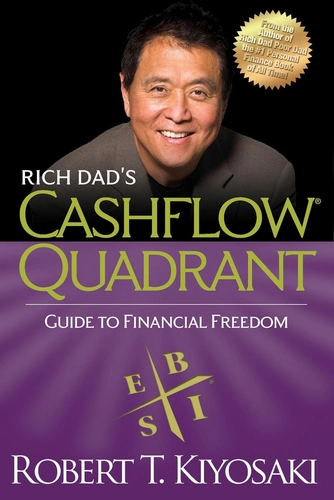
This book explains why some people earn a lot and stay broke while others earn less and build real wealth.
Kiyosaki breaks income into four categories: employee, self-employed, business owner, and investor. Most people stay in the first two, where income stops when they stop working. The wealthy live in the last two, where money works independently of their time.
You’ll learn how to move from the left side of the quadrant to the right, why that shift matters more than how much you earn, and what it actually takes to make it happen.
The Question You Should Be Asking
You’ve been asking “how do I earn more?” But the better question is “why doesn’t earning more change anything?”
The 4-Hour Workweek shows you how to break the time-for-money trade. Rich Dad’s Cashflow Quadrant shows you which side of the earning divide you’re on. But From Debt to Wealth is where it begins, because it explains why your thinking, not your effort, has been the ceiling all along.
You can keep working harder. Or you can finally understand why harder hasn’t worked.
If you found this helpful, these books go deeper into the same themes.




Break the Anxiety Circle
$19.90

From Debt to Wealth
$19.90

