You know the feeling of walking away from a conversation feeling smaller than when you entered it. Something happened in there. You just can’t name it.
You agreed to something you didn’t want. You apologized for something that wasn’t your fault. You left doubting a decision you were confident about an hour earlier. The other person seemed reasonable. Reasonable enough that you couldn’t argue back without feeling like the problem.
That’s the thing about manipulation. It rarely looks like manipulation. It looks like concern. Like generosity. Like someone just trying to help.
Book 1: Awakening to Human Nature by Owen Pierce

Manipulation works because it uses your own conscience as the weapon.
This book explains the psychology underneath every tactic. Why guilt is so effective. Why flattery opens doors that logic cannot. Why anger is often deployed strategically rather than felt emotionally. Why silence can be louder than any argument.
You’ll learn why manipulators rarely believe they’re manipulating. They construct reasons for their behavior that protect their self-image, and they often believe those reasons completely. They rewrite history. They deny what happened. They make you feel like you’re the one being unreasonable.
The book also shows you what makes you vulnerable. The need for approval. The fear of conflict. The belief that if you just explain yourself better, you’ll be understood. Once you see those patterns, you stop being an easy target.

Awakening to Human Nature
Owen PierceYou saw the signs. You just didn’t know what they meant yet.
Learn how to notice the patterns behind people’s words, choices, loyalty, pressure, and changing behavior.
Book 2: The Art of Seduction by Robert Greene
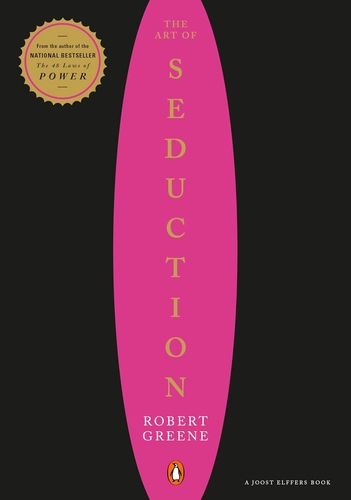
This is Greene’s study of the tactics people use to gain emotional power over others.
Greene draws on historical figures to show how seduction works. The target is made to feel special, chosen, understood. Then the withdrawal begins. Coldness after warmth. Attention after neglect. Small punishments disguised as honesty. By the time the target realizes they’re being played, they’re already emotionally invested and willing to do almost anything to get back the feeling from the beginning.
You’ll learn to recognize the phases of seduction, the archetypes who use it, and the moment when admiration turns into control. Once you see the structure, you can’t stop noticing it in everyday life.
Book 3: The Confidence Game by Maria Konnikova
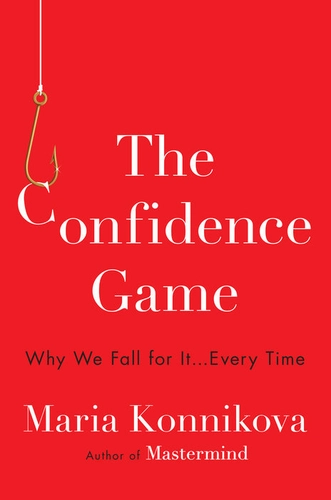
This book examines what happens when manipulation becomes a professional craft.
Konnikova, a psychologist and writer, interviewed con artists and their victims to understand how deception actually works. What she found was that the best manipulators don’t rely on lying. They rely on understanding what you want and becoming the person who can provide it.
You’ll learn why smart people fall for cons, why charm is a red flag rather than a sign of trust, and how the same techniques used in financial fraud appear in everyday relationships. The book is full of real stories, which makes the patterns impossible to forget.
What You Do With This
You’ve spent years being confused by people who seemed nice but left you feeling drained. You’ve wondered why you keep ending up in the same dynamics, giving in to the same demands, apologizing for things you didn’t do.
The Art of Seduction shows you the tactics. The Confidence Game shows you the mindset of the people who use them. But Awakening to Human Nature explains why they work on you, and what changes when you finally see them clearly.
The confusion ends when the pattern becomes visible.
If you found this helpful, these books go deeper into the same themes.




Break the Anxiety Circle
$19.90

From Debt to Wealth
$19.90

