You have been in this situation.
Someone in your life consistently drains you. You cannot put a finger on it. They are not openly hostile. They do not shout or threaten. But you walk away from every interaction feeling smaller, exhausted, or subtly wrong. You wonder: is it them or is it me?
The answer matters. Not because you need to label everyone around you. But because the inability to recognize certain patterns keeps you stuck. You give the benefit of the doubt to people who do not deserve it. You accommodate behaviors that should never be accommodated. You stay in relationships that should have ended years ago.
The three books below each address a different part of this problem. One helps you recognize the patterns you are missing. One classifies the difficult personality types so you can name what you are dealing with. One gives you strategies for handling each type without losing yourself in the process.
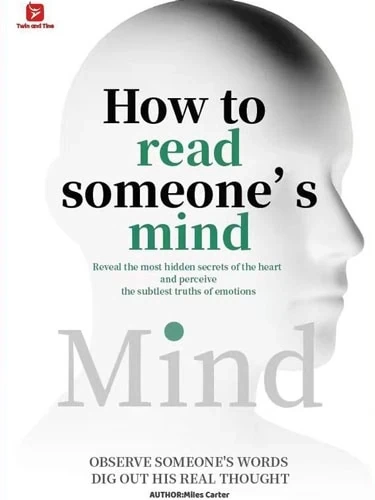
How to Read Someone’s Mind by Miles Carter
What signals tell you someone is a negative personality type?
Negative personality types do not show up as a single dramatic moment. They show up as patterns over time. The friend who always has something critical to say when you share good news. The colleague who subtly undermines your confidence. The partner who makes you feel like you are the problem, every single time.
Carter’s book teaches you to read the signals people reveal through their face, body, voice, and behavior over time. The mismatch between words and actions. The pattern of dismissiveness that you explained away because you wanted to believe they cared. The shift in tone when the conversation is not about them.
What makes this book relevant here is the focus on patterns, not isolated moments. A friend who is grumpy once is having a bad day. A friend who is consistently negative and dismissive is showing you who they are. A colleague who is competitive once is human. A colleague who constantly claims credit and deflects blame has a pattern.
The difference between a bad mood and a negative personality type is time. One is temporary. The other is who they are.
The book gives you a framework for distinguishing between someone who is struggling and someone whose personality is the problem. Once you can name the difference, you stop second-guessing yourself.
For anyone who keeps wondering “is this person a negative influence, or am I being too sensitive?”
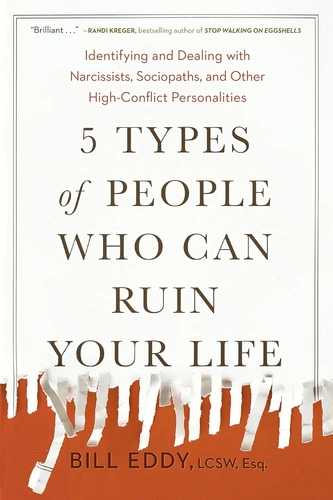
The 5 Types of People Who Can Ruin Your Life by Bill Eddy
What are the specific negative personality types you need to know about?
Eddy is a lawyer and therapist who spent decades dealing with high-conflict personalities. He noticed that certain patterns kept appearing—and destroying relationships, workplaces, and families. He developed a framework for identifying five specific types.
Narcissists, who need constant admiration and lack empathy. Borderlines, who are driven by fear of abandonment and can shift from adoring you to attacking you in minutes. Paranoids, who always see threats and are impossible to trust. Histrionics, who need attention and escalate emotions to get it. Antisocials, who lack conscience and manipulate without guilt.
What makes this book essential is the specificity. It does not tell you “some people are difficult.” It names the patterns so clearly that you recognize them instantly. You stop wondering “is this toxic?” because the description matches exactly what you are living through.
When you can name the pattern, you stop blaming yourself.
The book also gives you strategies for each type. What to say and what not to say. How to set boundaries that actually work. How to keep your sanity when dealing with someone who will never change.
For anyone who wants to stop guessing and finally name what they are dealing with.
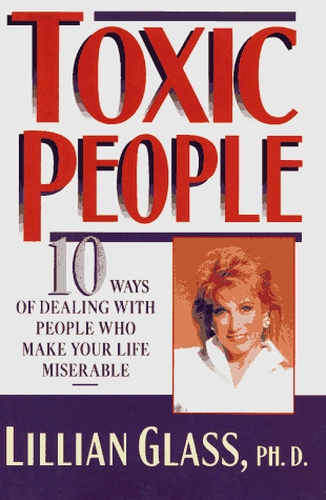
Toxic People by Dr. Lillian Glass
Why do some people have consistently negative personalities—and what do you do about it?
Glass, a communication expert and psychologist, wrote this book to answer the question most people are afraid to ask: is this person toxic, and what do I do if they are?
The book covers the full range of negative personality types, from the chronic critic to the energy vampire to the person who subtly undermines your confidence over years. Glass explains what drives these behaviors: insecurity, fear, a desperate need for control, a lack of empathy.
What makes this book valuable is the balance. It does not just tell you to cut people off. It helps you evaluate whether a relationship can be salvaged or whether you need to walk away. It gives you permission to end relationships that are damaging you, even when the other person does not think they are.
A toxic person will never tell you they are toxic. You have to be the one who names it.
The book also addresses the question that keeps people stuck: can negative personality types change? Glass gives you a realistic answer—not a hopeful one, but an honest one—and helps you decide whether to work on the relationship or protect yourself.
For anyone who wants to stop wondering and finally decide what to do.
These three books each approach negative personality types from a different angle. Carter helps you recognize the signals you have been missing. Eddy names the specific patterns so you stop blaming yourself. Glass helps you decide what to do about each type and when to walk away.
If you are tired of being drained by someone in your life, start with the one that matches where you are stuck:
- Need to recognize the signals earlier? Start with Carter.
- Need someone to name exactly what you are dealing with? Start with Eddy.
- Need a complete guide on what to do? Start with Glass.
You do not need to label everyone around you. But you do need to know when someone is no longer safe to have in your life.
