One Negative Thought Can Change the Whole Mood
You get one piece of criticism and suddenly everything feels like a failure.
A friend takes longer than usual to reply, and you start wondering whether you did something wrong. You make one mistake at work and spend the rest of the day thinking about it. Even when nothing particularly bad has happened, your mind has a habit of looking for what could go wrong.
Negative thinking is not simply “being pessimistic.” Often it is a learned mental habit that becomes so familiar you stop noticing it.
Break the Anxiety Circle
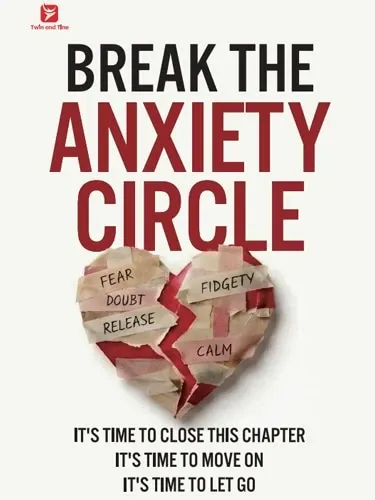
Break the Anxiety Circle by Miles Carter is particularly relevant for readers who notice that negative thoughts quickly turn into larger mental spirals.
The book explores overthinking, self-worth, regret, perfectionism, people pleasing, and emotional regulation. Those patterns often reinforce one another.
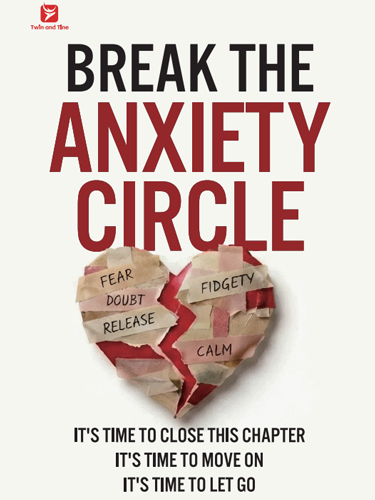
Break the Anxiety Circle
Miles CarterA mental reset for people trapped in the overthinking loop. Understand why your mind won’t stop racing — and how to break free from anxiety, people-pleasing, and emotional exhaustion.
You make a mistake, criticize yourself, worry about what other people think, replay the situation, and become even less confident the next time something similar happens. What started as one negative thought becomes a cycle.
The book focuses on breaking that cycle rather than simply replacing every negative thought with a positive one.
Feeling Good
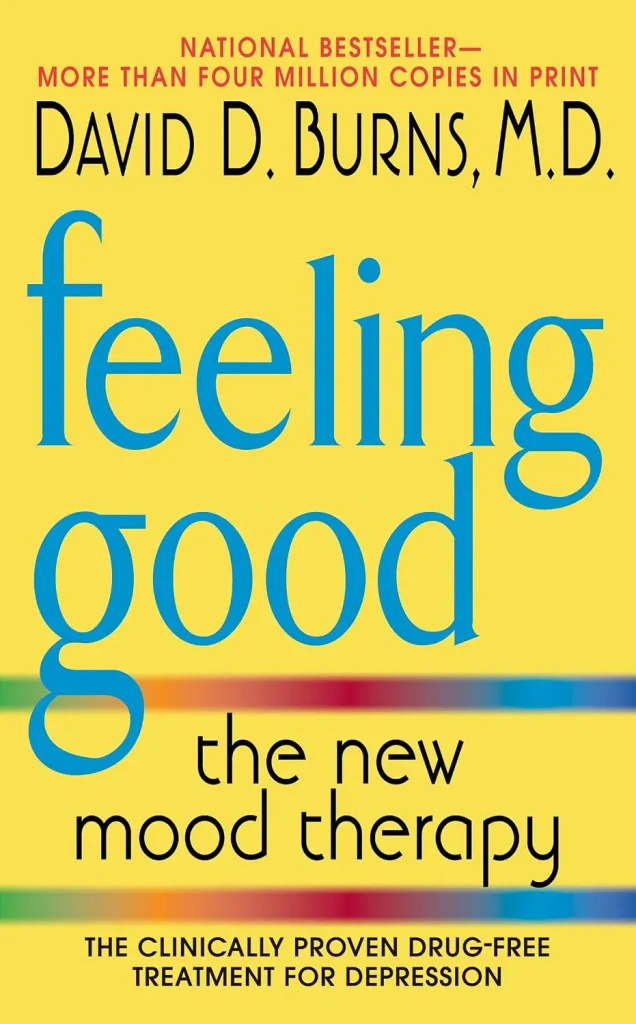
Feeling Good by David D. Burns is a classic choice for readers who want to examine unhelpful thinking patterns more directly.
It focuses on cognitive distortions and the ways people can fall into habits such as all-or-nothing thinking, overgeneralizing, or automatically assuming the worst. The approach is more structured than Break the Anxiety Circle, which can suit readers who prefer a clear framework for questioning their thoughts.
The Happiness Trap
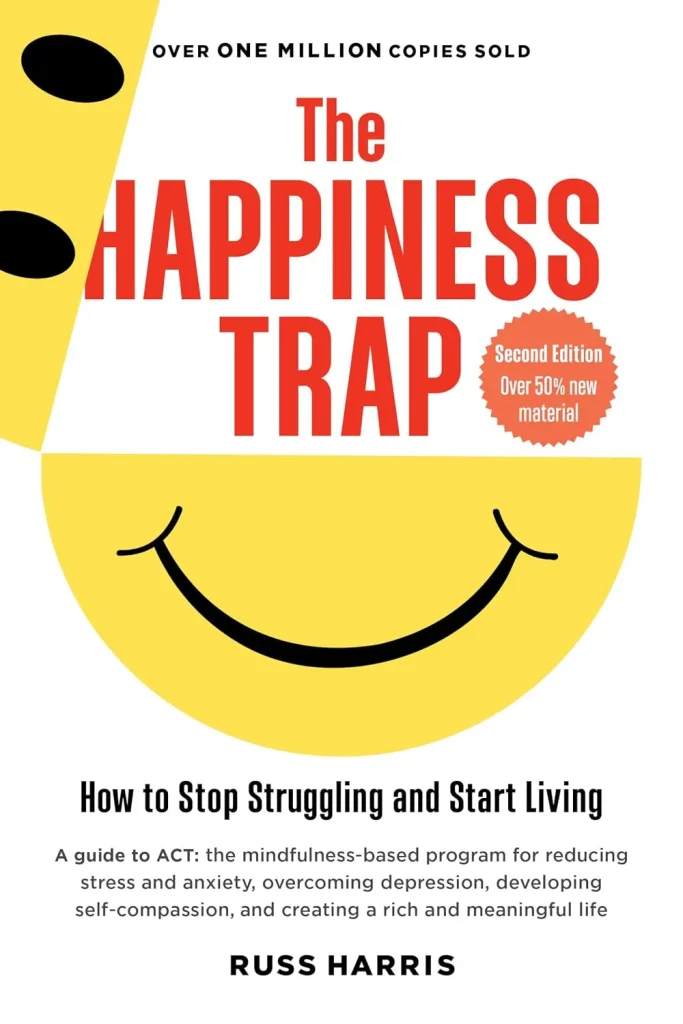
The Happiness Trap by Russ Harris takes another approach.
Instead of trying to control every negative thought, it draws from Acceptance and Commitment Therapy and encourages readers to change how they respond to thoughts and uncomfortable feelings.
This distinction can be important. Trying to force yourself to “think positively” can become exhausting in its own way. Sometimes the more useful skill is learning that a thought can be unpleasant without needing to dictate your next action.
Notice Your Favorite Negative Story
Most people have a few recurring themes.
Maybe yours is “I’m falling behind.” Maybe it is “Everyone else is doing better than me.” Maybe it is “I always mess things up.”
Once you notice the story, you can start questioning it instead of automatically continuing it. What happened? What did you assume? What evidence did you ignore? Would you speak to someone you care about in the same way?
These questions create a little distance between you and the thought.
Different Books, Different Approaches
Break the Anxiety Circle is the strongest fit when negative thinking is mixed with anxiety, overthinking, regret, and self-doubt.
Feeling Good is useful when you want a more structured way to identify distorted thinking patterns.
The Happiness Trap is a good choice when trying to get rid of negative thoughts has become its own source of stress.
You Do Not Have to Think Positively All the Time
The goal is not to turn every bad thought into an optimistic one.
Real life includes mistakes, uncertainty, disappointment, and difficult days. What matters is whether one negative thought gets to become the story you believe about yourself.
For readers who feel trapped in repeated cycles of worry and self-criticism, Break the Anxiety Circle offers a practical way to start noticing those patterns and responding to them differently.