You’ve seen it happen. You share an idea in a meeting. No one reacts. Two weeks later, someone else suggests the same thing and gets praised. You wonder what you did wrong.
Or maybe you’ve been in meetings where everyone agrees, but later you find out nothing was actually agreed upon. Deadlines slip. Emails go unanswered. You walk out of conversations wondering what really happened—and who really said what to whom.
Office politics aren’t something you can avoid. They’re not optional. They’re a fact of life in every workplace. The only choice you have is whether you understand the game or get played by it.
This article explores three books that will help you navigate the hidden dynamics of power, influence, and information in your workplace.
Book 1: Awakening to Human Nature by Owen Pierce
You’ve probably had this experience: you work hard, deliver results, play by the rules—and still get sidelined. Someone less competent gets promoted. A colleague who doesn’t pull their weight gets all the credit. You feel like you’re missing something that everyone else seems to understand.
Here’s what most people miss: office politics aren’t about being manipulative. They’re about understanding how people actually operate. And most people—including you—have been taught to ignore that.

Awakening to Human Nature reveals the hidden rules that govern workplace dynamics. Why does loyalty shift when needs change? Why do honest people often get punished? Why do the smartest voices frequently get attacked? You’ll learn to recognize the unspoken incentives that drive decisions, see through the politeness that masks hidden agendas, and understand why people form alliances that have nothing to do with merit.
You’ll also learn to protect yourself from being undermined, how to read the room when everyone is smiling but nothing is real, and how to focus on what truly determines your value—instead of chasing approval that will never come.
This isn’t about becoming Machiavellian. It’s about waking up. Once you see the game, you can stop being a pawn in it. You still have a choice about how you play—but at least you know what game you’re in.

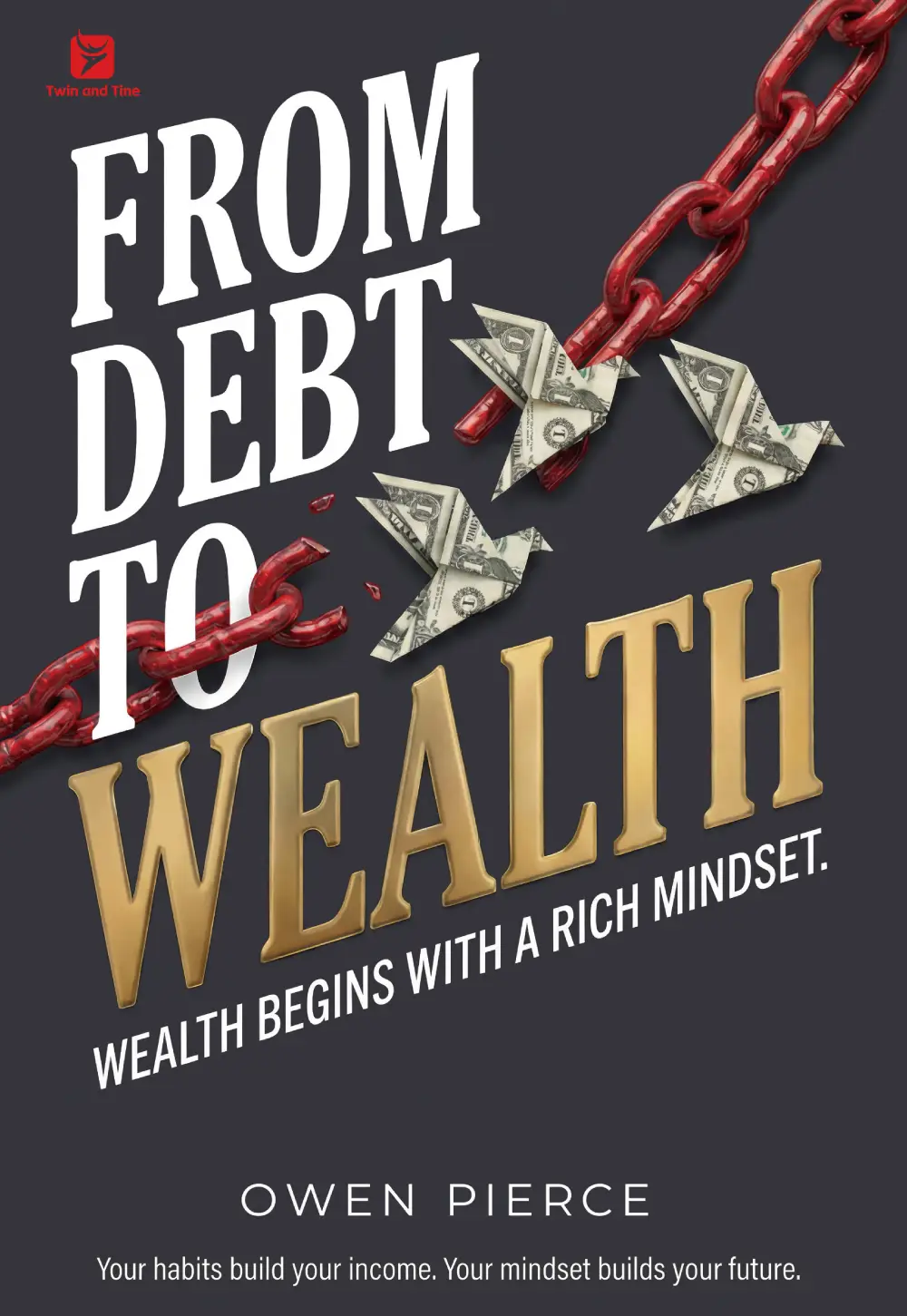
Awakening to Human Nature
Owen PierceA practical guide for understanding hidden motives, social patterns, emotional pressure, and manipulation—so you can read situations more clearly and protect your boundaries with confidence.
Book 2: Corporate Confidential by Cynthia Shapiro
This book pulls back the curtain on the unwritten rules that determine who gets ahead—and who gets left behind.
Shapiro, a former HR executive, exposes the secrets companies don’t tell you: how performance reviews are often political tools, why some people get promoted while better-qualified people don’t, and what managers actually think when you make certain moves. You’ll learn to recognize when you’re being set up to fail, how to protect yourself from being scapegoated, and what to do when your boss is threatened by you.
What makes this book valuable is its honesty. Shapiro doesn’t pretend workplaces are fair. She tells you how they actually work—and gives you the tools to navigate them without losing your integrity.

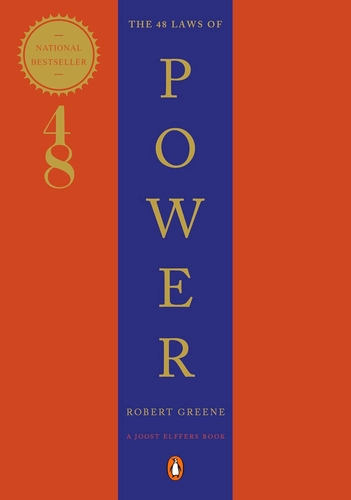
Book 3: The 48 Laws of Power by Robert Greene
This is the book that shows you the playbook people are using when you don’t know what’s happening.
Greene distills centuries of history into laws of power: never outshine the master. Say less than necessary. Play the perfect courtier. These aren’t abstractions—they’re patterns that have been repeated across centuries and across cultures. And they’re still operating in your office.
What makes this book essential for office politics is its clarity. Once you know the laws, you can recognize when someone is using them on you. You stop being confused by the subtle power plays that used to leave you blindsided. You see the game clearly—and that clarity is your protection.
Putting It All Together
Corporate Confidential reveals the hidden rules of corporate life. The 48 Laws of Power shows you the tactics behind power plays. But Awakening to Human Nature is where it begins—the understanding of why people do what they do in the first place.
Without that foundation, you’re just learning tactics without understanding the human patterns they exploit. With it, you see the game clearly. And when you see the game clearly, you stop being its victim.
If you’ve ever felt like you’re the only one not in on the secret, you’re not imagining it. The secret exists. But it’s not complicated—it’s about understanding human nature. And that understanding is available to anyone willing to see it.