One of the harder parts of parenting is knowing when to step in and when to step back. Parents naturally want to protect their children from mistakes, disappointment, and unnecessary difficulty, but doing everything for a child can also limit opportunities to learn how to handle things independently.
Independence does not mean leaving children to figure everything out alone. It means giving them increasing opportunities to make decisions, handle responsibilities, solve problems, and experience the results of their choices while still having appropriate parental support.
The three books below explore this idea from different perspectives and can help parents think more carefully about how much guidance their children need.
The Parent You Aspire to Be by Miles Carter
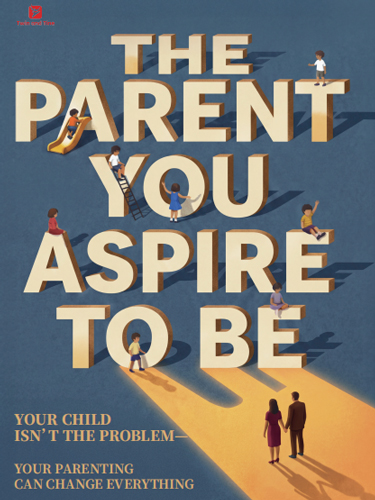
The Parent You Aspire to Be
Miles CarterPractical guidance for tantrums, backtalk, lying, screen addiction, emotional outbursts, and everyday parenting struggles.
Best for: Parents who want to balance guidance, boundaries, and growing independence.
The Parent You Aspire to Be by Miles Carter examines several parenting challenges that can influence children’s ability to become more independent. Parents may become overly involved because they are worried about mistakes, afraid that their child will struggle, or convinced that doing something themselves will be faster and easier.
That can create a difficult cycle. The parent takes over, the child has fewer opportunities to practice, and the parent later feels that the child is not responsible enough to do things alone.
The book encourages parents to examine their own reactions as well as their child’s behavior. Sometimes the most helpful parenting response is not to solve the problem immediately but to consider what the child can reasonably handle and where guidance is still necessary.
This can apply to everyday responsibilities such as schoolwork, routines, decision-making, managing disagreements, and handling the consequences of choices.
The goal is not to remove parental involvement. It is to make that involvement more intentional.
The Self-Driven Child by William Stixrud and Ned Johnson
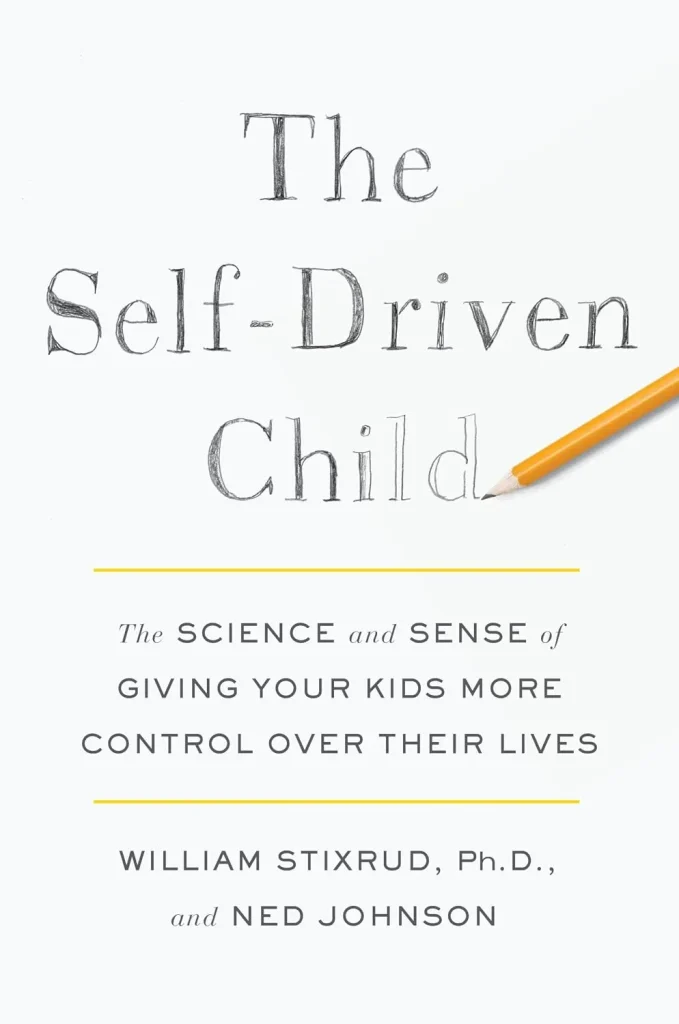
Best for: Parents who want to support children’s motivation and sense of responsibility.
The Self-Driven Child explores how parents can support children without taking over every part of their lives. It places considerable attention on autonomy, responsibility, and helping children develop a sense of control over their own choices.
This can be particularly relevant to parents who find themselves constantly reminding, organizing, correcting, and solving problems for their children.
Independence develops through practice. Children cannot build confidence around decision-making if adults always make the decision first, just as they cannot learn responsibility if parents always step in before they experience the result of a choice.
The book therefore complements The Parent You Aspire to Be by offering a more focused look at the balance between parental support and children’s growing autonomy.
How to Raise an Adult by Julie Lythcott-Haims
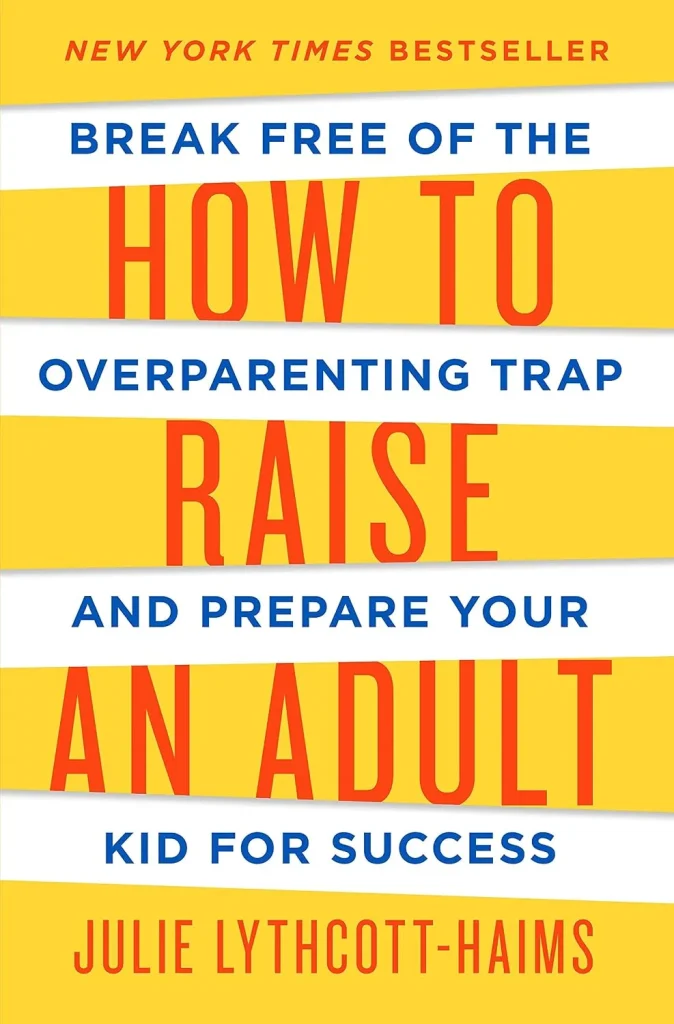
Best for: Parents who worry about doing too much for their children.
How to Raise an Adult examines the ways well-intentioned parents can become overly involved in their children’s lives. The book focuses on the long-term importance of allowing children to develop competence instead of constantly managing tasks and problems for them.
This is an especially useful perspective for parents who genuinely want to help but are beginning to wonder whether their involvement is preventing their child from becoming more capable.
The central question is not whether parents should care less. It is whether children are being given enough room to practice the skills they will eventually need to manage life on their own.
How Much Should Parents Help?
There is no single amount of help that works for every child or every situation. The right level of support depends on the child’s abilities, maturity, the complexity of the task, and the consequences involved.
Parents can begin by asking whether their child genuinely needs help or whether the parent is stepping in because it feels easier or less stressful to do the task themselves.
Another useful question is whether the child could handle part of the task independently with a little guidance. Independence does not have to arrive all at once. It can grow gradually as children gain experience.
Why The Parent You Aspire to Be Fits This Topic
Supporting independence requires parents to look at their own behavior as carefully as they look at their children’s. A child may appear unprepared to take responsibility, but sometimes the family pattern has simply not provided enough opportunities for that responsibility to develop.
The Parent You Aspire to Be helps parents think about this larger picture. Instead of focusing only on whether a child is behaving responsibly today, parents can consider what their everyday responses are teaching the child about responsibility, decision-making, mistakes, and self-reliance.
For parents who want to support independence without completely stepping away, the book provides a useful foundation.