You have probably met someone like this.
They talk over you. They correct you in public. They dismiss your achievements as luck. They offer unsolicited advice. They act like they are doing you a favor by spending time with you.
You walk away feeling smaller. And you wonder: do they actually think they are better than me? The answer is often yes. But the deeper question is why.
The three books below each approach this from a different angle. One helps you read the signals that reveal a sense of superiority. One explains the psychology behind why some people need to feel above others. One shows you how to respond without losing your sense of self.
How to Read Someone’s Mind by Miles Carter
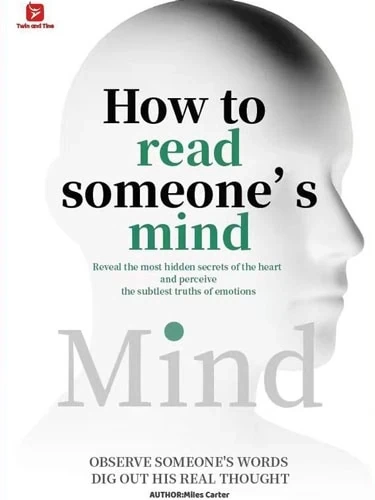
What signals tell you someone thinks they are better than you?
Superiority does not always look like arrogance. Sometimes it looks like subtle dismissiveness. A friend who never asks about your life. A colleague who takes credit for your work. A partner who frames their opinions as facts and yours as feelings.
Carter’s book teaches you to read the signals people reveal through their face, body, voice, and behavior over time. The slight eye roll when you speak. The way they interrupt and never apologize. The habit of one-upping your stories. The subtle put-downs disguised as jokes.
What makes this book relevant here is the focus on patterns of dismissal. A person who corrects you once might be helpful. A person who constantly makes you feel small is showing you something.
People who think they are better than others do not announce it. They show it through how they make you feel.
When you can see these signals, you stop second-guessing yourself. You stop wondering if you are too sensitive. You start knowing.
For anyone who keeps wondering why some people make them feel small.
The Narcissism Epidemic by Jean M. Twenge and W. Keith Campbell
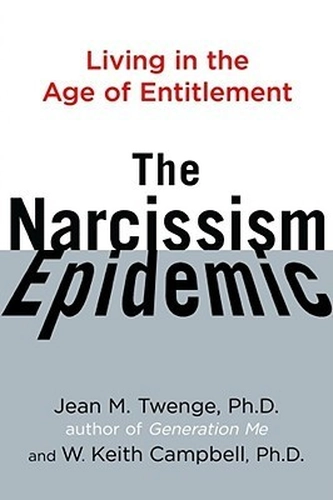
Why do some people need to feel superior to others?
Here is something that might surprise you.
People who think they are better than others are often not more confident. They are more insecure. They need constant validation. They compare themselves to others obsessively. And they have built their entire identity around being above average.
Twenge and Campbell, both psychologists, spent years studying the rise of narcissism in modern culture. They found that narcissistic traits have been increasing steadily over decades. People are more focused on self-image, more entitled, and more likely to believe they are special.
The book explains why this happens. Social media amplifies it. Parenting styles reinforce it. Culture rewards self-promotion over self-awareness. And the result is a growing number of people who cannot tolerate being seen as ordinary.
The need to feel superior is not confidence. It is compensation.
When you understand this, you stop being intimidated by arrogant people. You see them for what they are: people who are terrified of being average.
For anyone who has ever been confused by why some people act so entitled.
The Gifts of Imperfection by Brené Brown
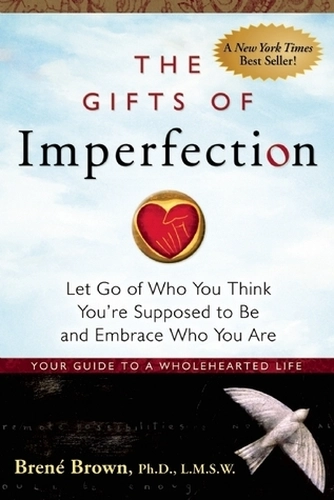
How do you respond to people who make you feel inferior?
You have recognized the signals. You understand why they act this way. Now you have a harder question: how do I keep my sense of self when someone is trying to make me feel small?
Brown’s book is not about handling arrogant people. It is about building the kind of self-worth that cannot be shaken by someone else’s opinion. She argues that shame and fear are the root of most social comparison. People who feel secure in themselves do not need to put others down.
The book teaches you to cultivate worthiness from the inside out. To stop seeking validation from people who are incapable of giving it. To recognize when you are shrinking yourself to make others comfortable. To hold your ground without becoming defensive.
You cannot make someone else feel small without feeling small yourself. The antidote is not ego. It is self-worth.
For anyone who wants to stop feeling small around people who think they are better.
These three books each approach the problem from a different angle. Carter helps you read the signals. Twenge and Campbell explain the psychology behind superiority. Brown helps you build the self-worth to handle it.
If you are tired of being made to feel small, start with the one that matches where you are stuck:
- Need to stop missing the signals? Start with Carter.
- Need to understand why they act this way? Start with Twenge and Campbell.
- Need to stop feeling small around them? Start with Brown.
You cannot change people who think they are better. But you can stop letting them make you feel worse.
