They tell you they’re fine. But their jaw is tight. Their voice is flat. Their eyes avoid yours.
They tell you they’re happy for you. But you catch a flicker of something else—resentment, envy, something they won’t name.
People hide their true emotions constantly. Sometimes to protect themselves. Sometimes to protect you. Sometimes because they don’t even recognize what they’re feeling. But these hidden emotions leak out anyway—through micro-expressions, body language, tone of voice, and subtle behavioral shifts.
Learning to spot what people aren’t saying changes how you navigate relationships, avoid conflict, and protect yourself from those who don’t have your best interests at heart.
This article explores three books that will help you see what others are hiding.
Book 1: How to Read Someone’s Mind by Miles Carter
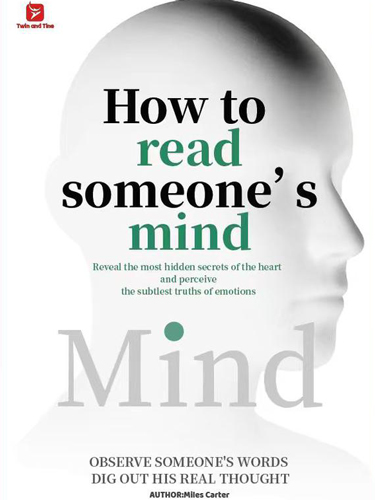
How to Read Someone’s Mind
Miles CarterPractical tools for reading body language, tone, and hidden intentions in real time. Spot what people aren’t saying — before you trust the wrong person.
This book is your field guide to spotting hidden emotions in real time.
Words are filtered. But the face, the body, the voice don’t lie. Micro-expressions around the eyes, brows, and lips expose emotions people try to conceal. Body language reveals the rest—crossed arms, fidgeting, feet pointing toward the exit. Voice gives it away too: tone, pitch, and speaking speed shift when emotions change.
The book covers specific contexts: how people behave when lying, feeling contempt, or hiding attraction. You’ll learn to spot these patterns at work, at home, in relationships.
This isn’t about being paranoid. It’s about being observant. Hidden emotions are everywhere. You just need to know where to look.
Book 2: Emotional Intelligence by Daniel Goleman
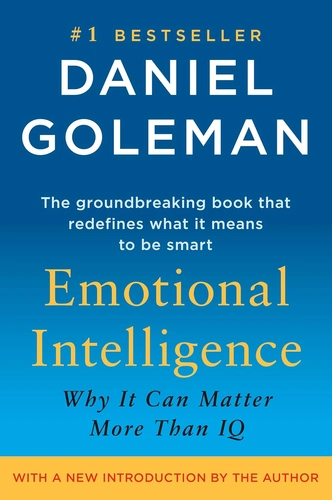
This book explains why people hide emotions—and why that matters.
Goleman’s groundbreaking work shows that emotional intelligence often matters more than IQ for success and well-being. But emotional intelligence isn’t just about managing your own emotions. It’s about recognizing emotions in others—even when they’re trying to hide them.
Why do people suppress feelings? Sometimes it’s social conditioning. Men are taught not to show vulnerability. Women are taught not to show anger. Sometimes it’s fear—of rejection, judgment, or conflict. Sometimes it’s simply habit: people learn early that hiding emotions keeps them safe.
Goleman explains how these patterns play out in relationships, workplaces, and families. You’ll understand why some people shut down during arguments. Why some people seem emotionally distant. Why some people can’t express affection even when they feel it.
This book helps you recognize when someone’s emotional expression doesn’t match what they’re actually feeling—and what to do about it.
Book 3: Emotions Revealed by Paul Ekman
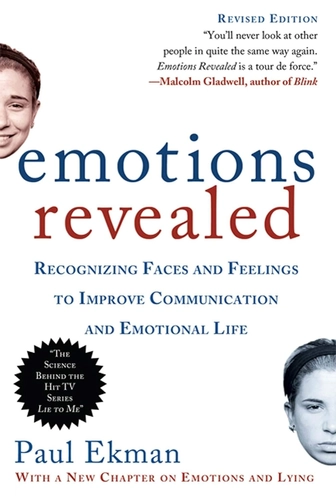
This book is the scientific foundation for reading hidden emotions.
Ekman discovered that certain facial expressions are universal—anger, fear, sadness, surprise, disgust, contempt, and happiness look the same everywhere. This book teaches you to spot micro-expressions, the brief involuntary movements that occur when someone tries to suppress their true feelings.
Ekman also explains the physiological changes that accompany emotions: how anger quickens your pulse, how fear makes you freeze. Understanding these physical signals gives you another layer of insight.
You’ll learn not just to recognize emotions in others, but to understand your own hidden emotional patterns too.
Putting It All Together
These three books approach hidden emotions from different angles. Emotional Intelligence explains why people suppress feelings. Emotions Revealed gives you the scientific framework for reading facial expressions. But How to Read Someone’s Mind is where it becomes practical—the step-by-step guide to spotting hidden emotions in real-life interactions.
Without that practical skill, you’re just learning theory. With it, you see what others are hiding as it happens.
If you’ve ever been confused by someone who said one thing but felt completely different—start here. Stop guessing and start seeing. The truth is written on their face, in their posture, and in the silence between their words.