You have probably tried to figure people out. Why is one person so rigid while another is spontaneous? Why does one friend need constant reassurance while another seems completely self-contained? Why do you react to things the way you do?
Personality traits are the consistent patterns that shape how people think, feel, and behave. Understanding them helps you stop being surprised by people—and start seeing them more clearly.
1. How to Read Someone’s Mind by Miles Carter
The book that teaches you to spot personality traits in real time.
Carter does not give you a personality test. He gives you something more useful: a way to observe the traits people reveal through their behavior. The book breaks reading people into four dimensions—the face, the body, the voice, and the context.
You learn to notice the signals that hint at personality: how someone responds to pressure, how they treat people who cannot help them, how their tone shifts when a topic makes them uncomfortable. A person who dominates conversations may be covering insecurity. A person who never commits to plans may be protecting their independence.
Carter emphasizes patterns over isolated moments. One rude comment means nothing. A consistent pattern of dismissiveness tells you something about who they are. Once you learn to see these patterns, you stop misjudging people based on first impressions—and start understanding their actual traits.
For anyone who wants to stop guessing and start observing.
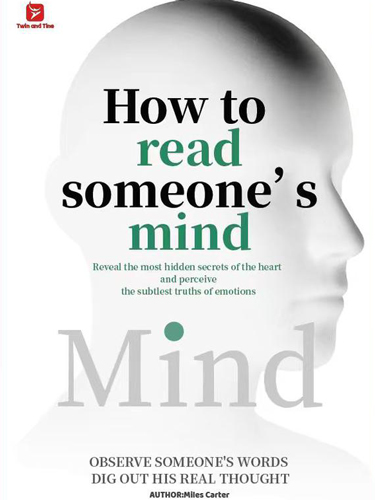
How to Read Someone’s Mind
Miles CarterPractical tools for reading body language, tone, and hidden intentions in real time. Spot what people aren’t saying — before you trust the wrong person.
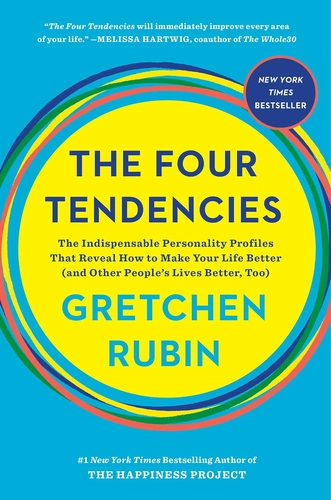
2. The Four Tendencies by Gretchen Rubin
The book that explains why people respond to expectations the way they do.
Rubin’s framework is simple and surprisingly accurate. She divides people into four tendencies based on how they respond to inner and outer expectations.
Upholders meet both inner and outer expectations easily. Questioners meet inner expectations but resist outer ones unless they understand the reason. Obligers meet outer expectations but struggle with inner ones—they need external accountability. Rebels resist all expectations, inner and outer alike.
This framework explains so much conflict. Why your partner resists your requests not because they disagree but because it feels like control. Why your colleague needs to understand the reason behind a deadline, not just the deadline itself. Why you can keep promises to everyone except yourself.
Rubin gives you a practical way to identify your own tendency and the tendencies of the people around you—so you can communicate in ways that actually work.
For anyone who wants to understand why people respond to expectations so differently.
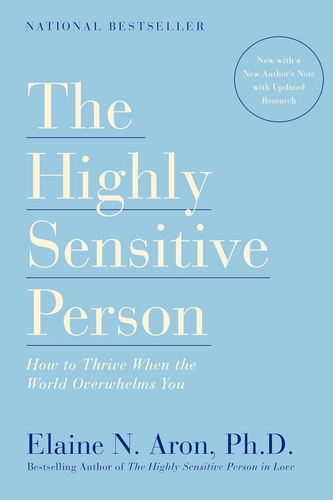
3. The Highly Sensitive Person by Elaine N. Aron
The book that explains a trait you might have been taught to hide.
If you have ever been told you are “too sensitive,” this book will feel like a revelation. Aron identified a trait she calls Sensory Processing Sensitivity—a personality trait present in about 15-20% of people.
Highly sensitive people process information more deeply. They notice subtleties others miss. They are more affected by other people’s moods, by loud environments, by violent media, by conflict. It is not a disorder. It is a trait—one that comes with both challenges and strengths.
Aron explains how to recognize the trait in yourself and others. She covers why highly sensitive people get overwhelmed, why they need more downtime, and how to manage their energy in a world that does not always accommodate them.
For anyone who has ever felt like they feel things more deeply than the people around them.
| Best for | |
|---|---|
| How to Read Someone’s Mind | Spotting personality traits through behavior |
| The Four Tendencies | Understanding how people respond to expectations |
| The Highly Sensitive Person | Understanding high sensitivity as a personality trait |
These three books each help you understand personality from a different angle. Carter gives you the observational tools. Rubin gives you the motivational framework. Aron gives you the deep dive into a specific trait.
If you are tired of being confused by the people around you, start with the one that shows you what you have been missing.