You’ve had moments where you couldn’t explain your own behavior. A flash of anger that came from nowhere. A decision that felt logical at the time but looks foolish in hindsight. A feeling you can’t shake, even though you know it’s irrational.
The human mind is a strange machine. It protects you. It deceives you. It keeps you safe. It also traps you in patterns you don’t understand.
Most people go through life reacting to their minds without ever understanding how they work. They think they’re in control. They’re not. The mind runs on hidden systems—biases, defense mechanisms, emotional shortcuts—that operate below awareness.
Understanding these systems changes everything. You stop being controlled by patterns you don’t see. You start recognizing why you feel, think, and act the way you do. This article explores three books that will help you understand the mind you live in.
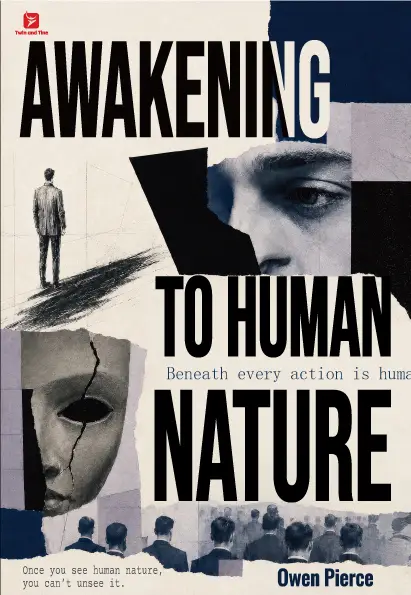
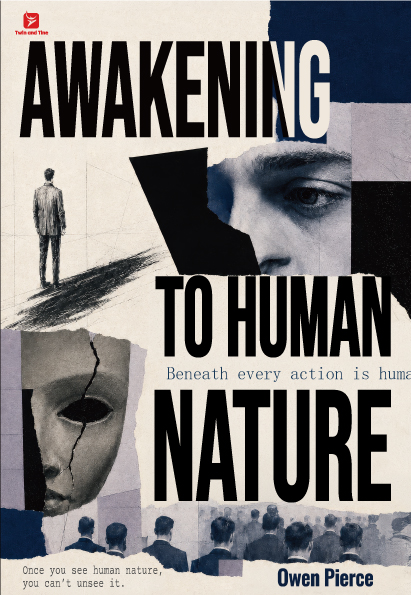
Awakening to Human Nature
Owen PierceA practical guide for understanding hidden motives, social patterns, emotional pressure, and manipulation—so you can read situations more clearly and protect your boundaries with confidence.
Book 1: Awakening to Human Nature by Owen Pierce
This book reveals the hidden machinery of the human mind—the drives, self-deceptions, and emotional patterns that run beneath your awareness.
Most people believe they’re rational. They’re not. The mind is shaped by cognitive laws that distort perception, emotional patterns that override logic, and desires that masquerade as reasons. This book shows you exactly how these systems work.
Why do you crave validation even when you know you’re right? Because the mind values social approval over truth. Why do you repeat relationship patterns that hurt you? Because the mind clings to familiar emotional scripts. Why do you believe things that aren’t true? Because the mind protects its self-image at all costs.
The book doesn’t just describe these patterns. It gives you the tools to recognize them in yourself. Once you see self-deception operating, you stop being its victim. Once you understand emotional triggers, you stop reacting blindly. Once you know how desire shapes judgment, you start making clearer decisions.
Understanding your own mind is the foundation for everything else. Without it, you’re a passenger in your own life. With it, you’re finally at the wheel.
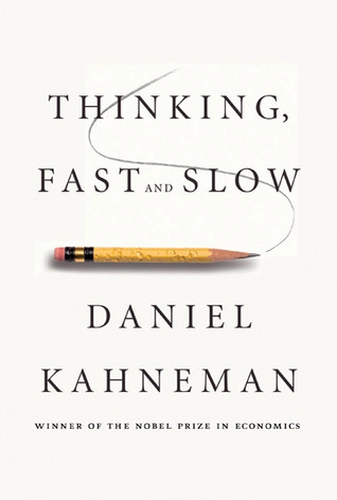
Book 2: Thinking, Fast and Slow by Daniel Kahneman
This book explains the two systems that drive your thinking.
System 1 is fast, automatic, and emotional. It makes snap judgments based on instinct and pattern recognition. System 2 is slow, deliberate, and logical—but it’s lazy. It accepts System 1’s conclusions without questioning them.
Here’s the problem: System 1 is full of biases. It overestimates your abilities. It fears losses more than it values gains. It believes stories that confirm what you already think. And System 2 doesn’t bother to check.
Kahneman shows you how to catch these mental shortcuts in action. You learn to pause before assuming, to ask whether you’re seeing what’s really there or what you expect to see. This awareness is the first step toward clearer thinking and better decisions.
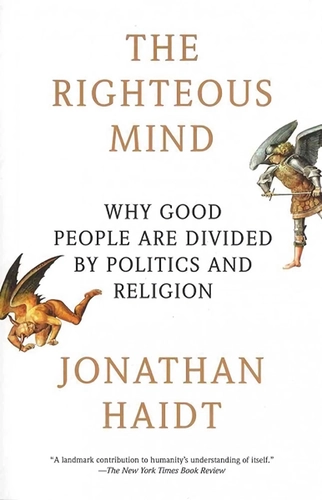
Book 3: The Righteous Mind by Jonathan Haidt
This book explains why people think what they think—and why they’re so sure they’re right.
Haidt argues that moral judgments come first, and reasoning comes second. You have an intuition—a feeling that something is right or wrong—and then you find reasons to justify it. You don’t arrive at truth through logic. You arrive at a feeling and then defend it.
This explains so much. Why arguments don’t change minds. Why people seem immune to evidence. Why smart people believe obviously wrong things. The mind isn’t designed to find truth. It’s designed to win arguments.
Understanding this changes how you approach disagreement. You stop expecting others to be persuaded by evidence. You recognize when someone is defending their identity, not debating facts. And you learn to ask better questions—questions that invite reflection instead of triggering defensiveness.
Putting It All Together
Understanding your own mind is one of the most valuable skills you can develop.
Thinking, Fast and Slow shows you the cognitive biases that distort your judgment. The Righteous Mind reveals why you feel so certain about things you’ve never examined. But Awakening to Human Nature is the foundation—the one that explains the deeper machinery beneath it all: self-deception, emotional patterns, hidden desires, and the protective instincts that shape everything you think and feel.
Without that foundation, you’re just learning facts about your mind without understanding how it actually operates. With it, you see the whole system clearly. You stop being controlled by what you can’t see. You start making decisions with real awareness.
If you’ve ever felt confused by your own behavior or frustrated by how others think—start here. The mind isn’t a mystery. It’s a system. And systems can be understood.
If you’re ready to finally understand the mind you live in, start with Awakening to Human Nature.