People rarely tell you why they do things.
They give you reasons. Reasonable, articulate, well-constructed reasons. And sometimes those reasons are true. Often they’re only part of the truth. And occasionally they’re a story constructed after the fact to make a decision look better than it was.
You’ve felt this gap. Someone explains their behavior and something doesn’t quite fit. The explanation is too neat. The timing is too convenient. The words are right but the feeling underneath them isn’t.
Motives are rarely stated. They’re revealed.
Book 1: Awakening to Human Nature by Owen Pierce
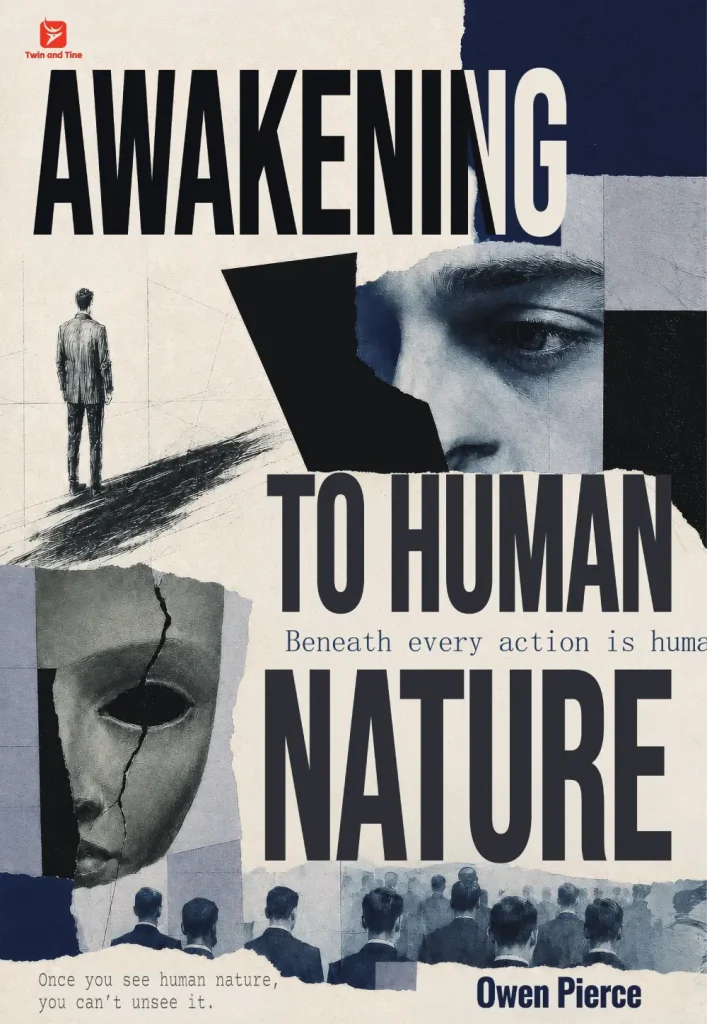
People hide their motives from themselves first.
This book starts with a premise most people resist. You don’t fully know why you do what you do. Your mind constructs reasons after the fact, filters out information that threatens your self-image, and protects you from truths you’re not ready to face. The same is true of everyone around you.
You’ll learn why loyalty expires when needs change. Why people who demand honesty can live inside lies of their own. Why someone can betray you and genuinely feel like the victim. These aren’t contradictions. They’re the predictable output of a mind protecting its own interests while telling itself a nobler story.
The book also shows you where motives leak out. Inconsistent explanations. Selective memory. The way someone treats people who can’t help them. The gap between what they say they want and what they actually pursue.
Once you see the mechanism, you stop taking stated reasons at face value. Including your own.
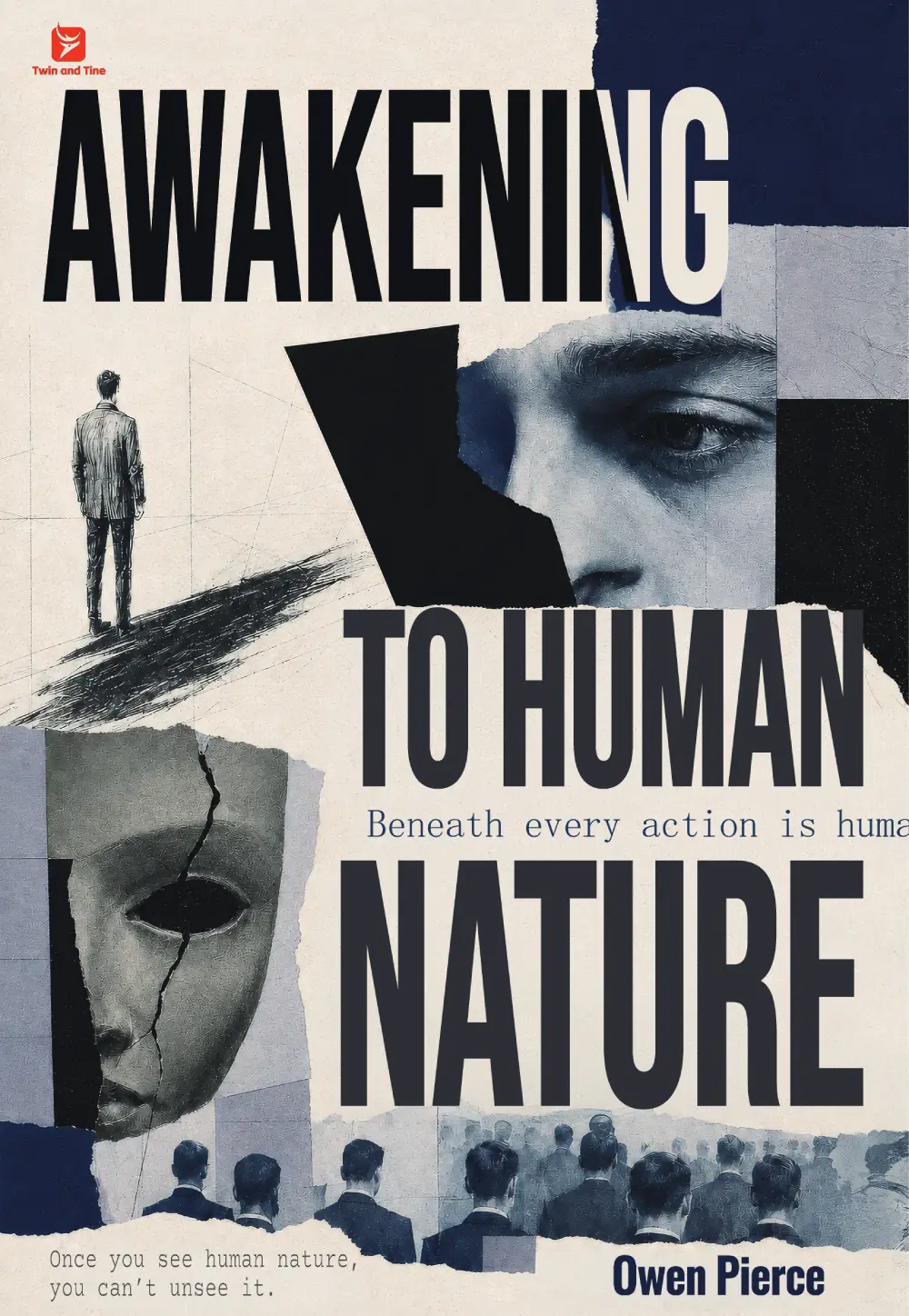
Awakening to Human Nature
Owen PierceYou saw the signs. You just didn’t know what they meant yet.
Learn how to notice the patterns behind people’s words, choices, loyalty, pressure, and changing behavior.
Book 2: Drive by Daniel Pink
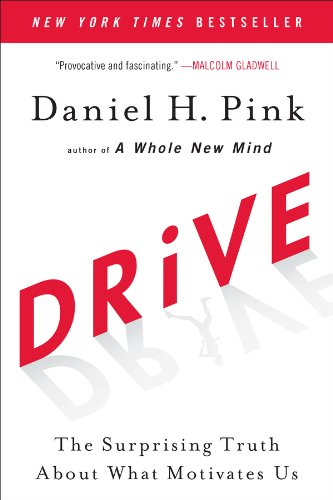
This book explains what actually motivates human behavior, and why most assumptions about it are wrong.
Pink argues that the traditional reward-and-punishment model fails for anything beyond simple tasks. What truly drives people is autonomy, mastery, and purpose. The need to control their own life. The desire to get better at something that matters. The sense that their effort connects to something larger than themselves.
Understanding this changes how you read motives. When someone seems irrational, ask which of these three needs is being threatened. When someone behaves against their own interest, look for the deeper drive they’re protecting. Pink gives you a framework that explains behavior the surface reasons never could.
Book 3: The Righteous Mind by Jonathan Haidt
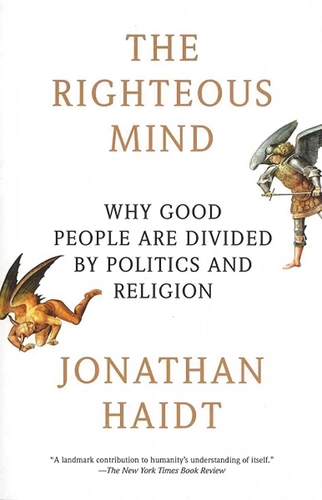
This book explains why people believe their motives are pure even when they’re not.
Haidt argues that moral judgments come first, and reasoning comes second. You feel something is right or wrong, then you construct an argument to justify it. The reasoning isn’t the source of your position. It’s the defense. This happens below awareness, which is why people can be genuinely convinced of their own objectivity while being completely driven by emotion.
You’ll learn why people on opposite sides of any issue can’t understand each other, why facts rarely change minds, and why the need to belong to a group shapes what people claim to believe. It’s one of the most useful books for understanding motives that people themselves don’t recognize.
What Changes When You See Motives Clearly
You stop being confused by behavior that seems irrational. You stop taking explanations at face value. You start noticing the pattern behind the words.
Drive shows you what people actually need. The Righteous Mind shows you how they justify what they want. But Awakening to Human Nature is where it all connects. It explains why motives are hidden, how self-deception works, and why people can pursue their own interests while genuinely believing they’re acting for someone else’s good.
You’ve been listening to what people say. The better skill is learning to see what they’re protecting.
If you found this helpful, these books go deeper into the same themes.




Break the Anxiety Circle
$19.90

From Debt to Wealth
$19.90

