You walk into a room. People are talking, laughing, exchanging glances. Something feels off—but you can’t quite tell what. You sense tension between two colleagues, but no one’s said anything. You feel like you’re missing something everyone else seems to understand.
Social situations are filled with invisible currents. Hierarchies, alliances, hidden tensions, unspoken rules. Some people navigate these currents effortlessly. Others stumble through, never quite understanding why they feel awkward or out of place.
The difference isn’t charisma. It’s observation. Reading social situations is a skill—one that can be learned.
This article explores three books that will help you see what others miss.
Book 1: How to Read Someone’s Mind by Miles Carter
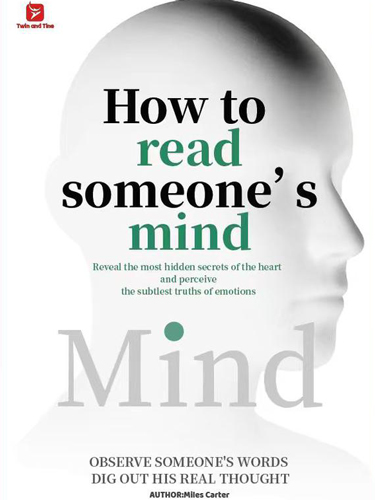
How to Read Someone’s Mind
Miles CarterPractical tools for reading body language, tone, and hidden intentions in real time. Spot what people aren’t saying — before you trust the wrong person.
Before you can read a social situation, you need to read the people in it.
This book teaches you to observe what others overlook. Facial expressions, body language, vocal tone, and situational behavior reveal who’s comfortable and who’s not, who holds power and who’s posturing, who’s genuinely engaged and who’s just being polite.
In any social setting, the real dynamics aren’t announced. They’re expressed through subtle cues. A glance held a moment too long. A body angled away from someone. A voice that drops slightly when a certain person speaks. This book trains you to spot these signals in real time.
You’ll learn to read micro-expressions that expose hidden emotions. You’ll understand what posture and gestures reveal about confidence or insecurity. You’ll hear what tone and speaking speed say beneath the words.
Armed with this awareness, social situations stop being confusing. They become data.
Book 2: The Definitive Book of Body Language by Allan and Barbara Pease

This book gives you a comprehensive vocabulary for understanding nonverbal communication.
The Peases draw on decades of research to explain the universal signals people send through their bodies. You’ll learn to read handshakes, eye contact, posture, personal space, and gestures across different contexts and cultures.
What makes this book valuable for reading social situations is its focus on group dynamics. It explains how people arrange themselves in social spaces—who stands near whom, who mirrors whose gestures, who’s excluded from the circle. These spatial patterns reveal hierarchies and alliances instantly.
You’ll also learn to recognize the difference between genuine and forced expressions. A real smile reaches the eyes. A fake one doesn’t. Once you see this distinction, you stop being fooled by performative friendliness.
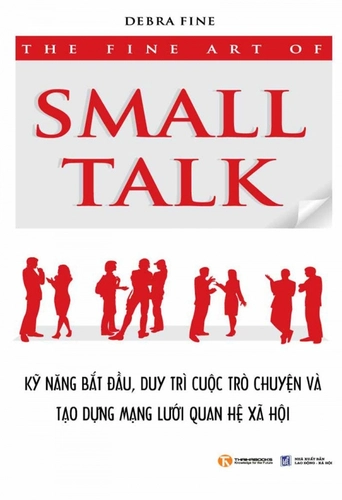
Book 3: The Fine Art of Small Talk by Debra Fine
Reading a social situation is one thing. Navigating it is another.
This book focuses on the practical skill of engaging with people in social and professional settings. Fine teaches you how to start conversations, keep them flowing, and exit gracefully—even when you feel awkward or out of your depth.
What makes this book essential for reading social situations is its focus on reciprocity. You can’t just observe—you need to participate. Fine shows you how to ask the right questions, listen actively, and read the room by paying attention to how people respond to you. If someone gives short answers, they’re not interested. If they lean in and ask questions back, they are.
This book takes you from observer to participant—without losing your awareness of what’s really happening.
Putting It All Together
Reading social situations isn’t a gift you’re born with. It’s a set of skills you develop.
The Definitive Book of Body Language gives you the vocabulary to understand what you see. The Fine Art of Small Talk teaches you how to engage once you’ve read the room. But How to Read Someone’s Mind is where it all begins—the practical skill of observing the subtle signals people send in every interaction. Without that observation skill, you’re guessing. With it, you see the room clearly before you even speak.
If you’ve ever felt confused or out of place in social settings—start here. The signals are already there. You just need to learn how to read them.
If you’re ready to stop feeling confused and start seeing what others miss, start with How to Read Someone’s Mind. Click below to develop the observation skills that change every interaction.