You’ve had conversations that left you confused. Someone said something that made you doubt yourself. You agreed to something you didn’t want. You apologized when you did nothing wrong. Later, you replayed the exchange, wondering: what just happened?
The answer is often manipulation—not the obvious kind, but the subtle kind. The kind that feels like concern, generosity, or reasonableness. The kind that makes you question your own judgment.
Recognizing manipulation is the first step to stopping it. But you can’t see what you don’t know to look for.
This article explores three books that will help you spot manipulation tactics in real time.
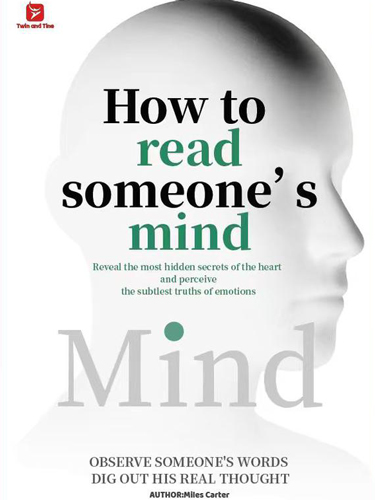
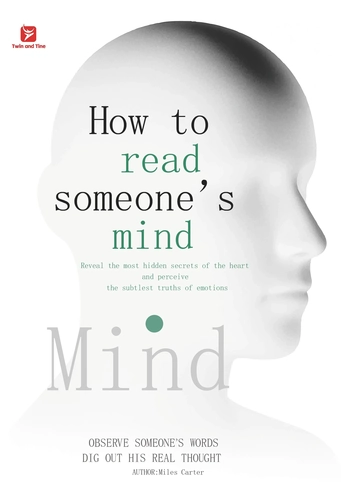
How to Read Someone’s Mind
Miles CarterPractical tools for reading body language, tone, and hidden intentions in real time. Spot what people aren’t saying — before you trust the wrong person.
Book 1: How to Read Someone’s Mind by Miles Carter
Manipulation leaves traces. This book teaches you to see them.
Manipulators don’t just use words. They use body language, facial expressions, vocal tone, and behavioral patterns to control how you feel and what you do. When someone is manipulating you, the signals often show up before the words are spoken.
A manipulator’s face and body often contradict their words. They say they’re happy for you, but their eyes narrow. They say they’re calm, but their jaw tightens. They say they want to help, but their body angles away. These micro-expressions and physical cues reveal what they’re really feeling.
Voice and tone add another layer. Manipulators often use a “reasonable” tone while their pitch rises. They speak slower or faster than usual to control the emotional tempo. They drop their volume to make you lean in—or raise it to intimidate. Listening to these changes helps you catch what words alone hide.
The book also covers behavioral patterns that manipulators repeat. The sudden shift from warmth to coldness. The excessive flattery that precedes a request. The guilt-tripping disguised as disappointment. Once you learn these patterns, you stop being confused by them—you recognize them.
When you learn to read these signals, manipulation stops working. You see what’s happening as it happens.
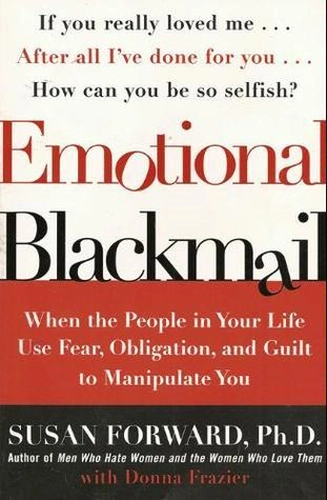
Book 2: Emotional Blackmail by Susan Forward
Manipulation often operates through fear, obligation, and guilt. This book shows you how to recognize it.
Forward, a renowned therapist, identifies the specific pattern manipulators use to control others: they know what you value most—your approval, your self-worth, your sense of duty—and they threaten to take it away if you don’t comply. That’s emotional blackmail.
You’ll learn to recognize the warning signs. The subtle threats disguised as disappointment. The guilt trips that leave you feeling responsible for others’ feelings. The withdrawal of affection when you don’t give in. The way manipulators make their demands feel like your duty.
The book breaks down the different types of emotional blackmailers—from those who punish to those who threaten to harm themselves—and gives you practical tools to respond. You’ll learn to break the pattern, stop feeling guilty for saying no, and reclaim your autonomy.
Book 3: In Sheep’s Clothing by George K. Simon
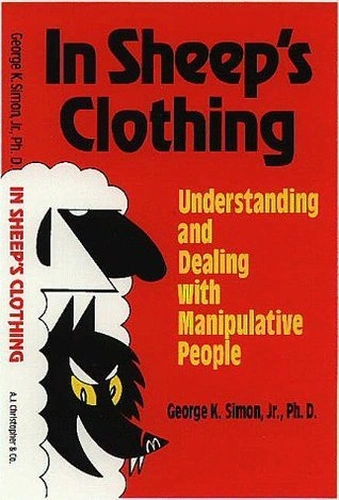
This book focuses on identifying manipulative personalities and their covert tactics.
Simon, a clinical psychologist, explains that many manipulators don’t look like aggressors. They appear friendly, helpful, even vulnerable. But beneath the surface, they use hidden forms of aggression to get what they want.
You’ll learn to recognize the tactics that covert manipulators use most: playing the victim, using guilt as a weapon, denying responsibility, and making you feel like you’re the problem. Simon also explains the mindset of the manipulator—why they do what they do and how they see the world.
What makes this book valuable is its focus on distinguishing between normal conflict and pathological manipulation. You’ll learn when to work on a relationship and when to recognize that the other person’s behavior is a pattern that won’t change.
Putting It All Together
Manipulation thrives in confusion. When you don’t understand what’s happening, you’re vulnerable. When you see the pattern, you’re not.
Emotional Blackmail gives you the framework to recognize manipulation based on fear and guilt. In Sheep’s Clothing helps you identify covert manipulative personalities. But How to Read Someone’s Mind is where it all begins—the practical skill of reading the signals people send in real time. Without that observation skill, you’re just learning theory without being able to apply it in the moment. With it, you see manipulation unfolding before it’s completed.
If you’ve ever walked away from an interaction feeling confused and used—start here. The signals are there. You just need to learn how to read them.
If you’re ready to stop being manipulated and start recognizing the tactics people use, start with How to Read Someone’s Mind. Click below to develop the observation skills that reveal the truth.