You’ve met someone who seemed perfect. Warm, generous, exactly the kind of person you’d want in your life. And then, slowly, the mask slipped. A moment of coldness when they thought no one was watching. A lie that came out too smoothly. A cruelty disguised as honesty.
You wondered how you missed it. But you didn’t miss it. You saw the signs. You just explained them away.
People show you who they are constantly. The skill is learning to believe what you see instead of what you hope.
This article explores three books that help you see through the performance.
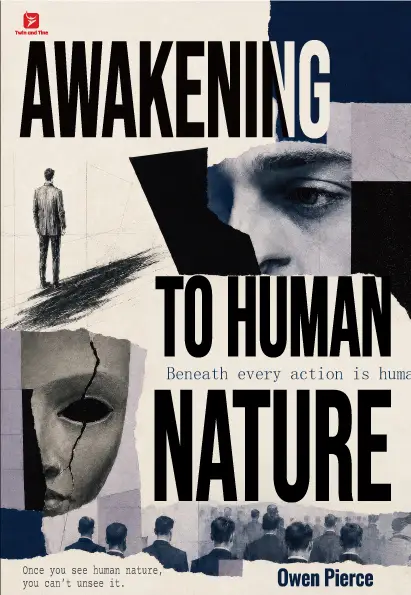
Book 1: Awakening to Human Nature by Owen Pierce
Every person is managing an impression. The question is what they’re hiding underneath.
This book explains why people present false versions of themselves. Not always maliciously. Often instinctively. The mind protects self-image, manages how others perceive it, and filters out anything that threatens the story it wants to tell. You do it too.
You’ll learn why people say one thing and do another without feeling like liars. Why someone can be charming in public and cruel in private. Why the person who seems most trustworthy sometimes turns out to be the most dangerous. These aren’t contradictions. They’re the predictable output of a mind protecting its own interests.
The book also shows you where the truth leaks out. Inconsistent stories. Selective memory. The way someone treats people who can’t do anything for them. The gap between their words and their patterns. Once you know what to look for, you can’t stop seeing it.
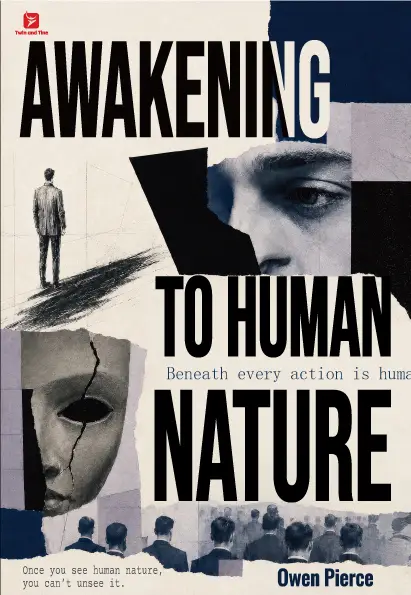
Awakening to Human Nature
Owen PierceA practical guide for understanding hidden motives, social patterns, emotional pressure, and manipulation—so you can read situations more clearly and protect your boundaries with confidence.
Book 2: Without Conscience by Robert Hare
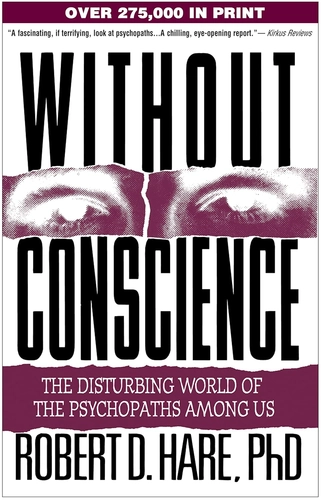
This book explains how to recognize people who have no genuine emotional attachment to anyone.
Hare, a leading researcher on psychopathy, shows that some people wear a mask so convincing that even trained professionals miss it. They can be charming, articulate, and seemingly empathetic. Underneath, they feel nothing. They use people the way others use tools.
You’ll learn the warning signs: the superficial charm, the grand stories, the lack of remorse, the way they leave a trail of confusion behind them. The book doesn’t make you paranoid. It makes you literate in a language you didn’t know you needed to read.
Book 3: Character Disturbance by George K. Simon
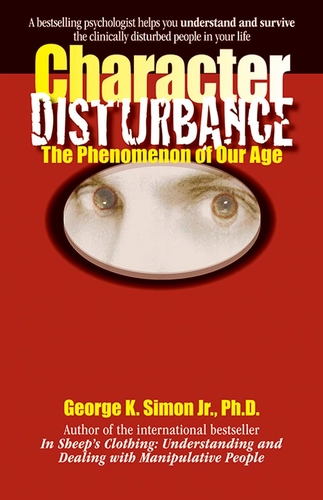
This book explains how to distinguish between someone who’s difficult and someone who’s fundamentally different from what they appear.
Simon, a clinical psychologist, shows how people with disturbed characters operate. They don’t just make mistakes. They manipulate, evade responsibility, and present a version of themselves designed to keep you off balance. Their goal is to make you doubt what you see so they can continue doing what they do.
You’ll learn to recognize the patterns, stop falling for the performances, and trust your perception even when they insist you’re wrong.
The Person You’re Already Unsure About
There’s someone in your life right now who doesn’t quite add up. Maybe you can’t point to anything specific. Just a feeling that something doesn’t match. You’ve been telling yourself you’re overthinking it.
That feeling isn’t confusion. It’s your perception working correctly while your hope tries to override it.
Without Conscience shows you the extreme version of the mask. Character Disturbance shows you the everyday one. But Awakening to Human Nature explains why the mask exists at all, and how to see through it without becoming cynical about everyone.
You already see more than you admit. The skill is learning to trust it.