You know someone like this. Every conversation circles back to them. Your problems are met with their bigger problems. They do not ask how you are. When they do, they do not wait for the answer.
It is draining. It makes you feel invisible. These three books help you understand why some people are self-centered—and what to do about it.
How to Read Someone’s Mind by Miles Carter
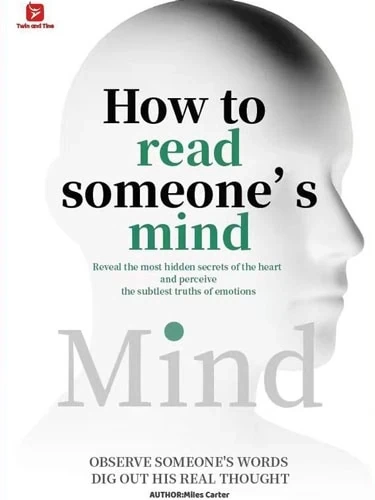
Imagine you are catching up with a friend. You start talking about a difficult week. Halfway through, they interrupt to talk about their own stressful project. You try again—they cut you off with a story about their weekend. Forty minutes later, you have barely said a word.
Carter teaches you to read the signals that reveal self-centeredness. No follow-up questions. Eye contact only when they speak. Body language that says they are already planning their next line—instead of listening to you.
“Self-centered people do not hide. Their signals are everywhere. You just have to stop excusing them.”
He helps you distinguish between someone socially unaware and someone who simply does not care. Once you recognize the pattern, you stop expecting what they cannot give. You protect your energy instead of pouring it into someone who does not see you.
For anyone who has left a conversation realizing they were the audience, not a participant.
The Narcissism Epidemic by Jean M. Twenge and W. Keith Campbell
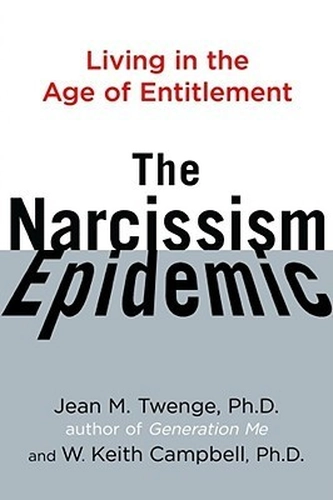
Why are self-centered people so common? Twenge and Campbell argue it is a cultural trend. Social media, shifting parenting styles, and a focus on self-esteem have fueled a rise in narcissism.
Narcissism is not vanity. It is a deep need for attention. Self-centered people do not ignore you because they are rude—they ignore you because they do not see you. You are a mirror for their reflection, not a person with your own needs.
“Narcissists do not listen because they do not see you. They see an audience.”
Understanding this changes your reaction. It is not personal. Once you stop expecting empathy from someone incapable of giving it, you stop feeling invisible and start protecting your energy.
For anyone who has wondered why some people seem incapable of asking a single question.
The Power of Now by Eckhart Tolle
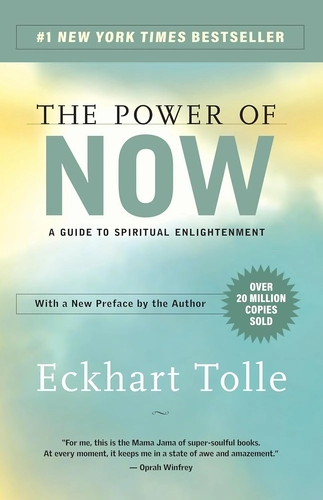
Here is something surprising. Self-centered people are not actually full of themselves. They are empty. They constantly need attention because they cannot find a stable sense of self within.
When people are trapped in their own thinking—focused on their own story, status, and importance—they cannot see anyone else. Their self-centeredness is not confidence. It is unconsciousness.
“Self-centeredness is not strength. It is a sign that someone has lost touch with their true self.”
Tolle’s book is about presence. About stepping out of the mental loop that keeps us stuck in our own heads. It helps you understand why self-centered people act the way they do—and why you do not have to engage with it.
For anyone who wants to stop being drained by self-centered people and stop feeling personally rejected by their behavior.
If you want to spot the signs early, read Carter. If you want to understand why self-centered people are everywhere, read Twenge and Campbell. If you want to stop taking their behavior personally, read Tolle.
