You know the feeling.
Someone asks for a favor. You want to say no. But the word “yes” comes out before you can stop it. Then comes the knot in your stomach. The resentment that builds while you do something you never wanted to do.
Or maybe someone crosses a line—asks something too personal, makes a demand, oversteps. You smile and change the subject. But inside, you feel small. Used. Invisible.
Why is it so hard to set boundaries without feeling like the bad guy?
It is not because you are weak. It is because you were never taught that boundaries are an act of kindness—to yourself and to others. These three books show you how.
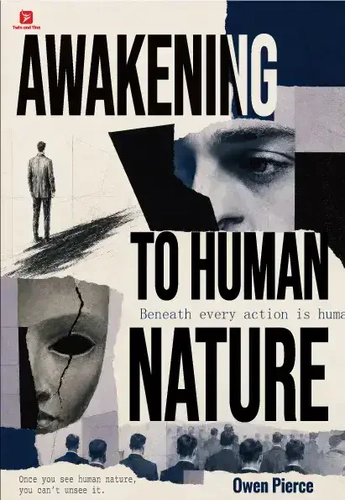
Awakening to Human Nature by Owen Pierce
Imagine a friend constantly asks to borrow money. You want to say no, but you worry they will think you are selfish. You give in. Again.
Pierce explains why this happens. Most people are driven by hidden motives and unspoken interests. They do not ask because they respect you—they ask because they need something. And when you say yes out of guilt, you are not helping them. You are teaching them that your boundaries do not matter.
“Kindness without boundaries is not kindness. It is an invitation to be exploited.”
Pierce also shows how self-deception keeps you stuck. You tell yourself you are being “nice.” But really, you are avoiding conflict. You are afraid of what they will think. Once you see the hidden dynamics, you stop feeling guilty and start seeing boundaries as protection—not rejection.
For anyone who has ever said yes and immediately regretted it.
Set Boundaries, Find Peace by Nedra Glover Tawwab
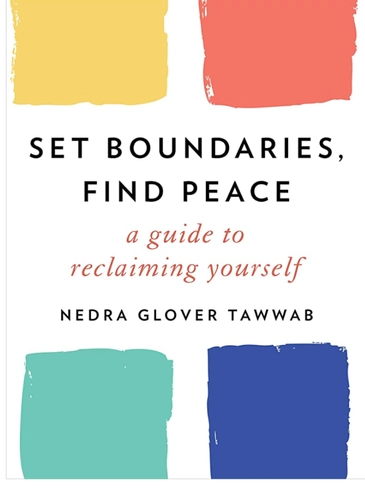
If there is one book that has helped millions stop people-pleasing, it is this one. Tawwab, a licensed therapist, distills years of clinical experience into a practical guide.
She starts by defining what boundaries are—and what they are not. Boundaries are not walls or punishments. They are not about controlling others. They are about clarifying what you will and will not accept.
“A lack of boundaries is not kindness. It is avoidance.”
The book covers boundaries in every area: with family, friends, partners, and coworkers. It gives you scripts for common situations—saying no to extra work, telling a friend you cannot lend money, asking a partner for more space.
What makes Tawwab’s approach different is her emphasis on guilt. She explains that guilt is the price of entry for anyone who has never set boundaries before. It does not mean you are doing something wrong—it means you are doing something new. The more you practice, the quieter the guilt becomes.
For anyone who needs clear scripts and permission to stop feeling bad.
The Art of Saying No by Damon Zahariades
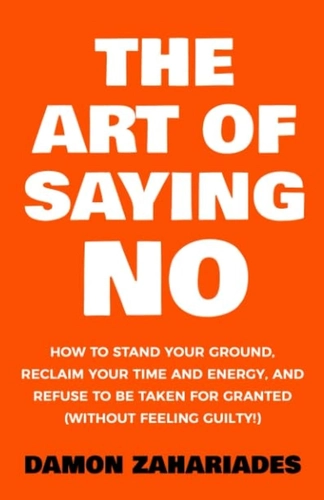
Zahariades wrote this for chronic pleasers—people who say yes because they fear conflict, fear disappointing others, or fear being seen as selfish.
The book offers ten specific strategies, each designed for a different scenario. You learn how to say no to your boss, to friends, to family, to strangers. You learn how to say no without offering a long excuse (which only invites negotiation). You learn how to say no in writing, in person, and over the phone.
“Every time you say yes to something you do not want, you are saying no to something you do.”
Zahariades also addresses the internal voices that keep you trapped. He reframes these beliefs, showing you that saying no is actually a way of saying yes to your priorities, your time, and your wellbeing.
The book is short, action-oriented, and full of real-life examples. It feels like a workbook you can carry with you.
For anyone who knows they need to say no more often but does not know how to start.
If you want to understand the hidden dynamics behind your guilt, read Pierce. If you need clear scripts and strategies, read Tawwab. If you need a practical system to stop saying yes out of habit, read Zahariades.
Boundaries without guilt are not about becoming cold. They are about becoming clear. And clarity makes your relationships healthier and your energy yours again.
