You know the feeling. A phone call leaves you drained. A family gathering triggers anxiety days in advance. You replay conversations, wondering what you did wrong.
Your family says you are “too sensitive.” That you should let it go because they are family.
But your gut says something is off. That is the first sign. These three books help you recognize the others — and figure out what to do about them.
Awakening to Human Nature by Owen Pierce
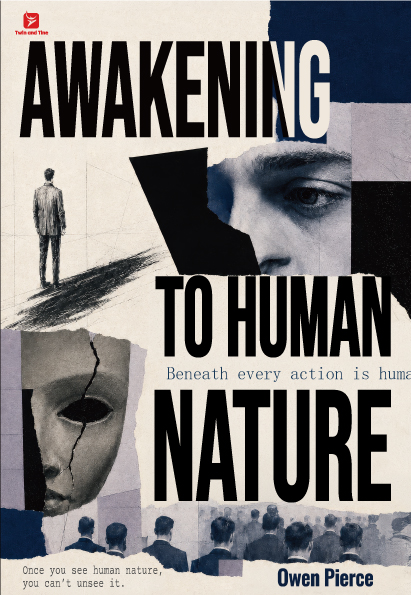
Why is toxicity harder to see in family than anywhere else?
If a colleague spoke to you with contempt, you would see it clearly. But when the same behavior comes from a parent or sibling, you second‑guess yourself. Pierce explains why: family relationships come with emotional expectations — “family comes first,” “that is just how they are” — that cloud your judgment.
He shows you how to step outside the fog and look past what people say — words like “I just want what is best for you” — and look at what they actually do. Are they building you up or keeping you small? Are they helping you grow or subtly tearing you down?
Pierce also explains why toxic family members often seem so convincing — they are often self‑deceived, genuinely believing they have your best interests at heart. But self‑deception does not make their behavior less damaging. The book’s chapter on emotional blackmail is especially relevant: if you have ever been made to feel guilty for having a need or setting a boundary, it will feel like it was written about your family.
For anyone who has been told “you are too sensitive” one too many times.
Adult Children of Emotionally Immature Parents by Lindsay C. Gibson
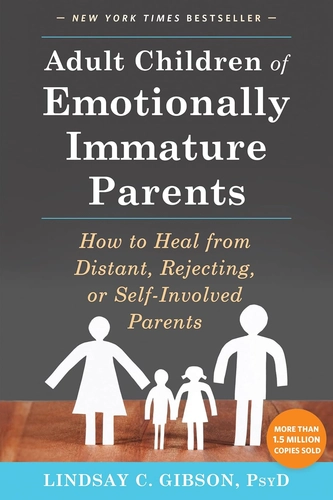
This book explains a specific kind of family dysfunction: parents who are emotionally unavailable, rigid, or dismissive. They may have provided food and shelter, but emotionally they were never there for you. The signs: a parent who cannot handle your negative emotions, makes everything about them, or withdraws affection when you disagree. Gibson helps you stop expecting emotional maturity from people who may never develop it — and shows how those patterns show up in your adult relationships.
For anyone who felt like their parent was the one who needed a parent.
The Gift of Fear by Gavin de Becker
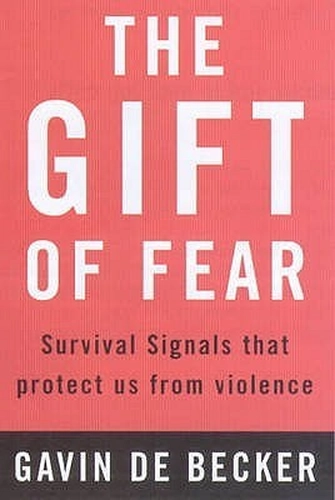
Your gut is not irrational. It is processing signals your conscious mind has not named yet — the dismissive tone, the veiled criticism, the pattern of making you feel small. Family is where we are most likely to silence ourselves. De Becker gives you permission to trust what you already know but have been trained to dismiss. He also distinguishes between normal family friction and genuinely harmful patterns of control and coercion.
For anyone whose gut is telling them something they have been trained not to hear.
Which book should you start with?
If you are still wondering whether your family’s behavior is truly problematic, start with Pierce — he cuts through the emotional fog.
If you are dealing with an emotionally absent parent, read Gibson.
If your gut already knows something is wrong but you keep second‑guessing, read de Becker.
