You have probably noticed it without realizing. A foot that will not stop tapping. Hands that keep moving to the face. A voice that sounds slightly thinner than usual. Nervousness leaks out in small movements, and most people miss it because they are listening to words instead of watching behavior.
These three books help you see the signals more clearly.
1. How to Read Someone’s Mind by Miles Carter

A practical guide to reading nervous signals in real time.
Carter devotes chapters to the specific behaviors that show up when someone is anxious. He covers fidgeting, self-soothing gestures, shifts in posture, and changes in breathing. You learn where to look: the hands, the feet, the neck, the mouth.
What makes this book useful is the emphasis on comparison. A single gesture means little on its own. You need to know what someone looks like when they are calm before you can spot what changes when they are nervous. Carter teaches you to establish a baseline, then watch for deviations.
He also covers the difference between nervousness and deception. They are not the same thing, and treating them as interchangeable leads to misjudgments. The book gives you the observational tools to see nervousness for what it is—without jumping to conclusions.
For anyone who wants to stop missing the signals people cannot help but send.

How to Read Someone’s Mind
Miles CarterPractical tools for reading body language, tone, and hidden intentions in real time. Spot what people aren’t saying — before you trust the wrong person.
2. Talking to Strangers by Malcolm Gladwell
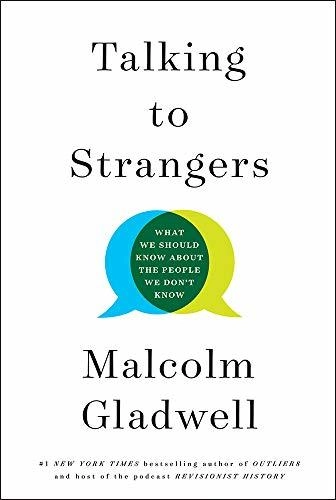
Why we misread nervousness—and what it costs us.
Gladwell’s book examines some of the most high-profile cases where people misread the behavior of strangers. In many of them, nervousness was interpreted as guilt. The assumption was that an innocent person would be calm, and a guilty person would fidget, sweat, and avoid eye contact.
That assumption is wrong. Research shows that nervousness is a response to stress, not a sign of dishonesty. Innocent people can appear nervous when they are interrogated. Guilty people can appear calm when they are practiced liars.
The book explains why we default to believing that nervous behavior means something it does not. It also shows how those misreadings can destroy lives. Understanding this makes you a better observer, because you stop treating a single signal as proof.
For anyone who wants to avoid the mistakes most people make when reading nervous behavior.
3. Presence by Amy Cuddy
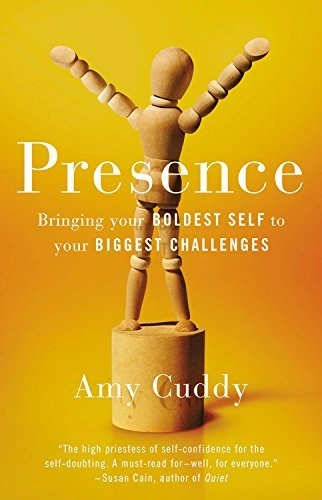
How body language shapes confidence—and how to read it in others.
Cuddy is a social psychologist whose TED talk on power posing became one of the most viewed of all time. Her book expands on that research, explaining how your posture and movements affect not only how others see you, but how you feel about yourself.
For reading nervousness in others, the book is useful because it shows what confidence looks like in the body. Open posture. Steady hands. Relaxed shoulders. A voice that comes from the chest rather than the throat. When you know what calm looks like, the signs of nervousness become easier to spot.
Cuddy also covers how to manage your own nervous signals. If you tend to fidget, shrink, or avoid eye contact when you are anxious, the book offers practical ways to shift those patterns. That makes you harder to read when you do not want to be read.
For anyone who wants to understand both sides of the nervousness equation—reading it and managing it.
| Best for | |
|---|---|
| How to Read Someone’s Mind | Spotting nervous signals in real time |
| Talking to Strangers | Avoiding the mistake of equating nervousness with guilt |
| Presence | Understanding what calm looks like and managing your own signals |
These three books each help you read nervous behavior from a different angle. Carter gives you the observational framework. Gladwell shows you why misreading it is so common. Cuddy teaches you what confidence looks like in the body.
If you are tired of guessing whether someone is nervous or just uncomfortable, start with the one that shows you what to look for.
If you found this helpful, these books go deeper into the same themes.



Break the Anxiety Circle
$19.90

From Debt to Wealth
$19.90

