You watch someone make a choice that clearly hurts them. They know it hurts them. They can list every reason it’s a bad idea, and then they do it anyway. You’ve done the same thing. Everyone has.
The gap between what people know and what they do is where psychology lives. Not the textbook kind. The kind that explains why the same person can be generous and cruel, rational and reckless, predictable and completely surprising.
These five books explore that gap from different angles. Some explain the mechanics. Some show you what to do with them. One gives you the foundation everything else builds on.
Book 1: Thinking, Fast and Slow by Daniel Kahneman
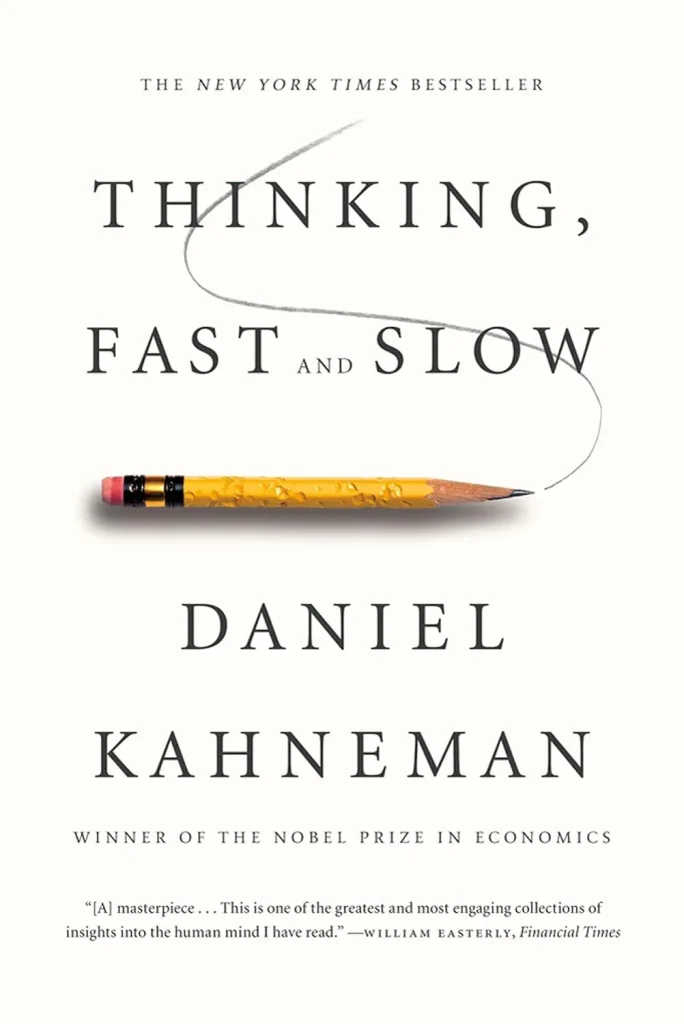
Your brain has two systems. Most of the time, the wrong one is driving.
Kahneman, a Nobel laureate, spent decades studying how people actually think. What he found was that the mind operates on two tracks. One is fast, automatic, and emotional. The other is slow, deliberate, and logical. The fast one runs most of your life, and it’s full of shortcuts that lead you to conclusions that feel right but aren’t.
You’ll learn why you overestimate your abilities. Why you fear losses more than you value gains. Why you believe stories that confirm what you already think. The book is dense in places, but it’s the most complete map of human irrationality ever written.
Book 2: Awakening to Human Nature by Owen Pierce
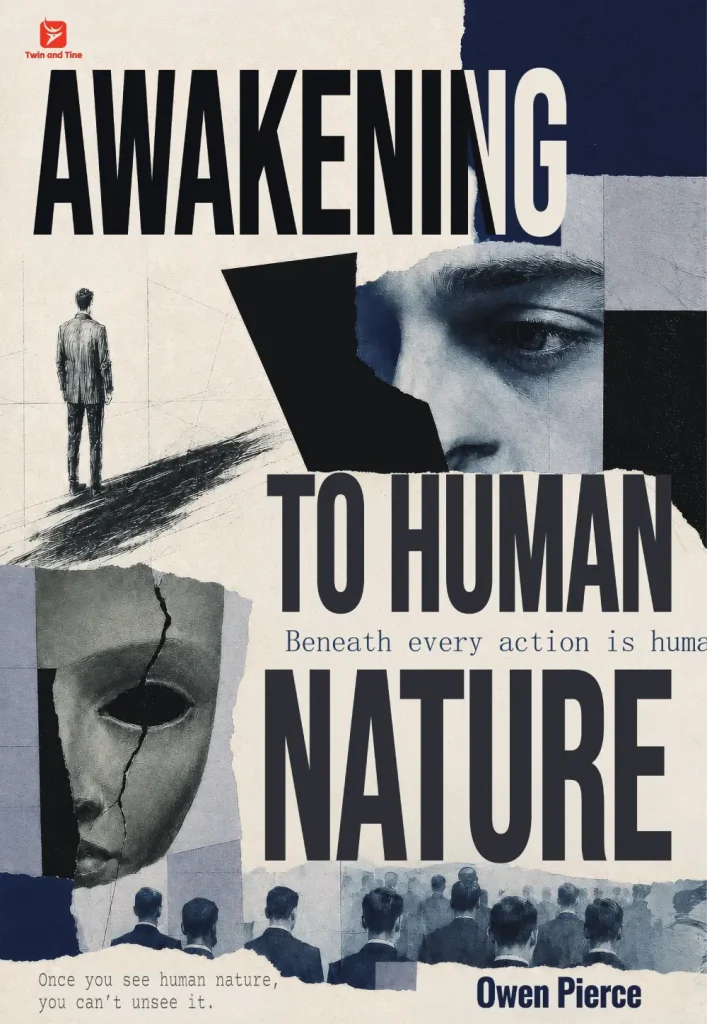
Understanding people starts with understanding what they’re hiding from themselves.
This book goes deeper than cognitive biases. It looks at the forces underneath them. Why people deceive themselves before they deceive anyone else. Why loyalty shifts when needs change. Why validation matters more than truth, and why being right often makes you a target rather than a hero.
You’ll learn why someone can betray you and genuinely feel like the victim. Why people who demand honesty can live inside lies of their own. Why the smartest voice in the room is often the one that gets attacked.
What makes it different is that it doesn’t just describe behavior. It explains the machinery underneath it. Self-deception, emotional patterns, hidden incentives, and the quiet calculations people make without admitting they’re making them.
Once you see the pattern, you can’t unsee it. You stop being surprised by people. You start understanding them, which is a different thing entirely.
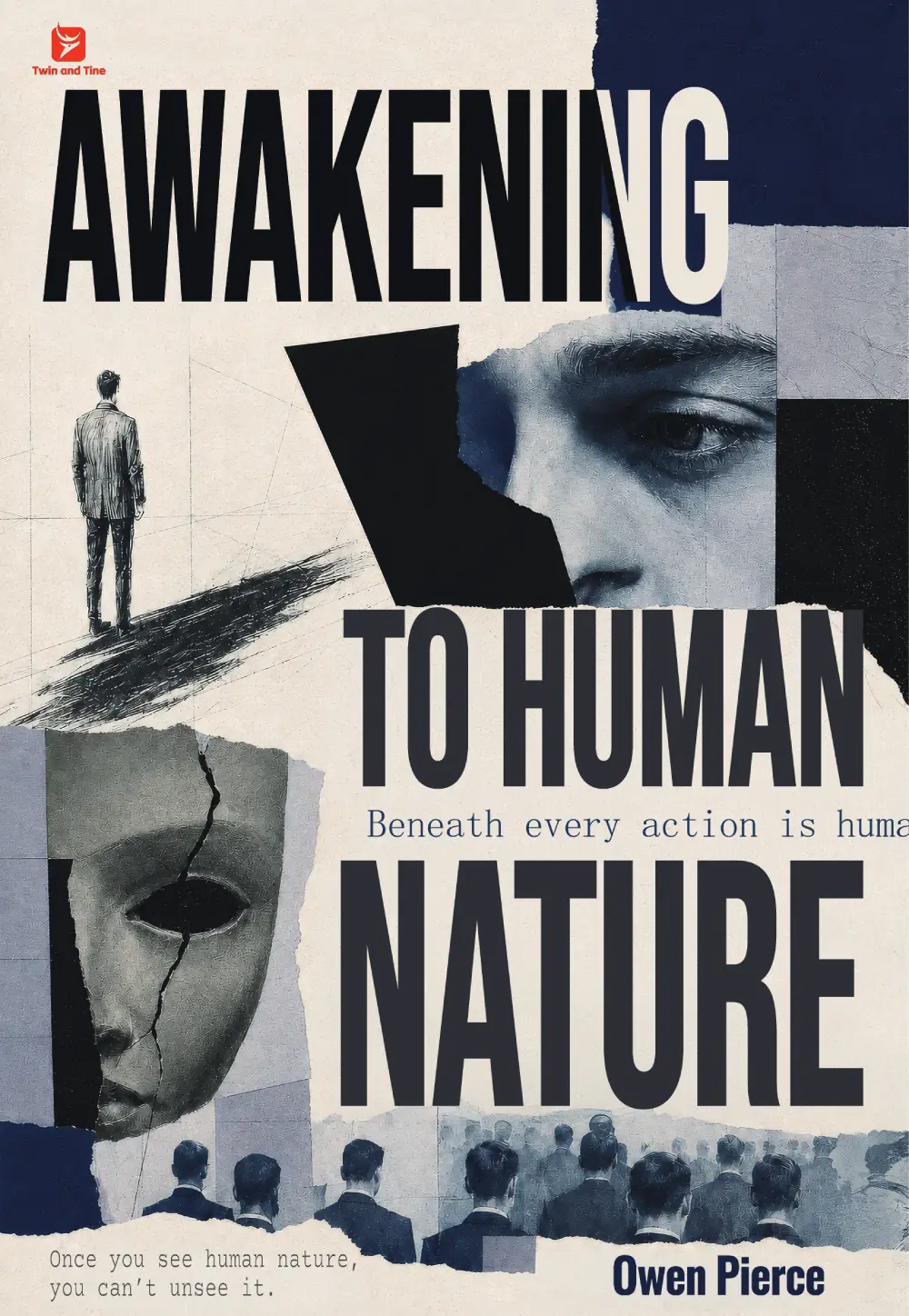
Awakening to Human Nature
Owen PierceYou saw the signs. You just didn’t know what they meant yet.
Learn how to notice the patterns behind people’s words, choices, loyalty, pressure, and changing behavior.
Book 3: Influence by Robert Cialdini
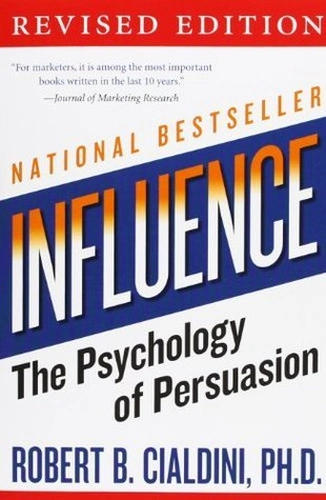
Persuasion isn’t magic. It’s six principles you’ve been responding to your whole life.
Cialdini spent years studying why people say yes. What he found were six triggers that operate automatically. Reciprocity. Scarcity. Authority. Consistency. Liking. Social proof. When someone activates one of these, compliance follows, often without conscious thought.
You’ll learn how salespeople use these triggers, how con artists exploit them, and how to recognize when they’re being used on you. The book is filled with experiments and real examples, and it’s impossible to read without starting to notice the patterns everywhere.
Book 4: The Righteous Mind by Jonathan Haidt
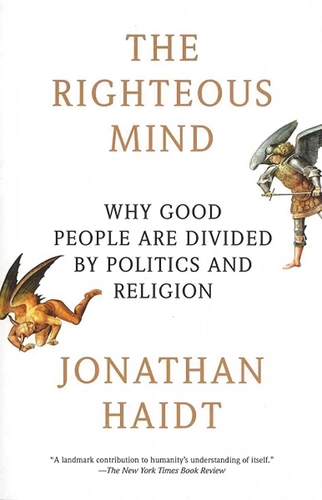
People don’t reason their way into beliefs. They feel their way in, then build the argument.
Haidt, a moral psychologist, argues that moral judgments come first and reasoning follows. You have an instinctive reaction, then you construct a justification. The reasoning isn’t the source of your position. It’s the defense.
You’ll learn why political divisions feel so personal, why facts rarely change minds, and why people on opposite sides can’t understand each other. The book explains group loyalty, moral outrage, and the tribal instincts that shape what people believe and defend.
Book 5: Predictably Irrational by Dan Ariely
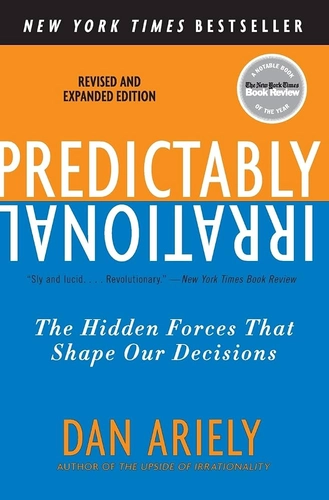
People don’t make random mistakes. They make the same mistakes over and over.
Ariely, a behavioral economist, shows that human irrationality follows patterns. You spend more when you pay with card than cash. You value things you own more than things you don’t. You chase free offers that cost you more than they save.
You’ll learn why these behaviors are predictable, why they persist even when you know better, and how to work with your brain instead of against it. The book is funny, practical, and full of experiments that make the patterns impossible to forget.
Where This Leaves You
These five books approach the psychology of people from different angles. One explains how you think. One explains how you’re persuaded. One explains why you believe what you believe. One explains your irrational patterns.
But Awakening to Human Nature is the one that connects them. It explains the self-deception, the hidden motives, and the emotional machinery that drives everything the other books describe. Without that foundation, you’re learning facts about people without understanding them.
The patterns are everywhere. Once you see them, you can finally stop being confused by the people around you.
If you found this helpful, these books go deeper into the same themes.




Break the Anxiety Circle
$19.90

From Debt to Wealth
$19.90

