You’ve been careful with people. You’ve paid attention. You’ve given the benefit of the doubt when it was earned and withheld it when it wasn’t. And still, someone slipped past your defenses. Someone you trusted turned out to be someone else entirely.
The hardest part isn’t the loss. It’s the doubt that follows. You start questioning your own judgment. You wonder if you’ve been naive. You replay the relationship looking for the moment you should have known.
Trust isn’t a feeling you either have or don’t. It’s a structure, built and broken in patterns. Understanding those patterns changes how you choose who to trust next.
Book 1: Awakening to Human Nature by Owen Pierce
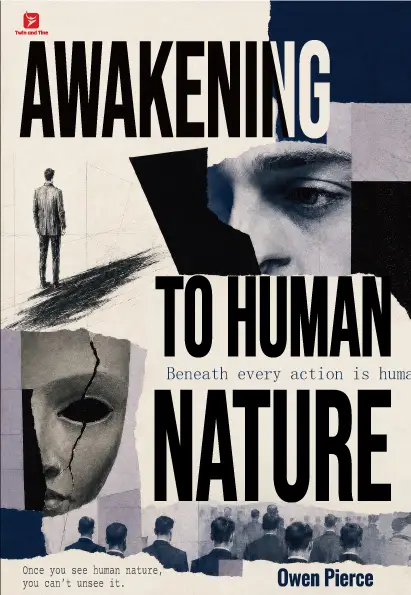
Trust breaks because it was built on assumptions, not observation.
This book explains why loyalty is conditional. Why it lasts exactly as long as the need behind it. When someone’s interests shift, their behavior shifts with them, and the person who stood by you through difficulty can disappear the moment standing by you becomes inconvenient.
You’ll learn why people can break your trust without feeling like they’ve done anything wrong. Why they construct reasons after the fact to justify what they did. Why the same person who genuinely valued you last year can treat you as a stranger today.
The book also turns toward your own role. The signs you overlooked. The explanations you accepted because you wanted to. Once you see the pattern, you stop being surprised when trust breaks.
Awakening to Human Nature
Owen PierceYou saw the signs. You just didn’t know what they meant yet.
Learn how to notice the patterns behind people’s words, choices, loyalty, pressure, and changing behavior.
Book 2: Hold Me Tight by Sue Johnson
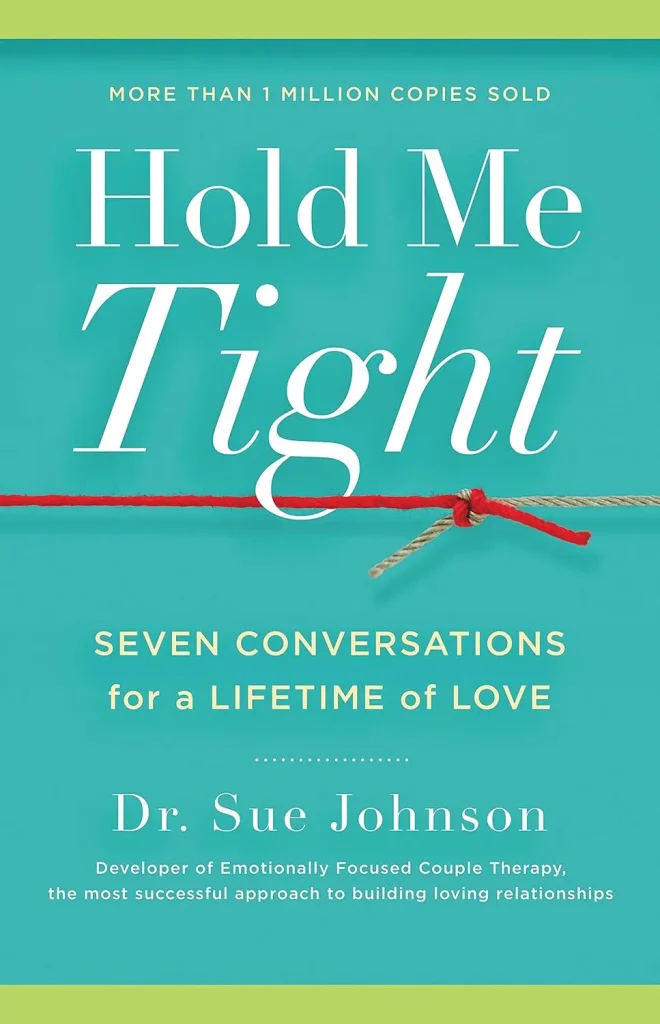
This book explains why trust in relationships depends on emotional presence, not just honesty.
Johnson, a leading researcher on attachment, argues that most relationship conflicts aren’t really about the surface issue. They’re about whether one partner feels emotionally reachable. When someone feels ignored, dismissed, or alone in the relationship, trust erodes even if nothing dramatic happens.
You’ll learn why couples fight about the same things over and over, why silence can feel more threatening than anger, and how to repair the bond when it’s been strained. The book is built on decades of research and is used by therapists worldwide.
What makes it valuable is its practicality. It offers specific conversations to have, not abstract advice about communicating better.
Book 3: The Trust Edge by David Horsager
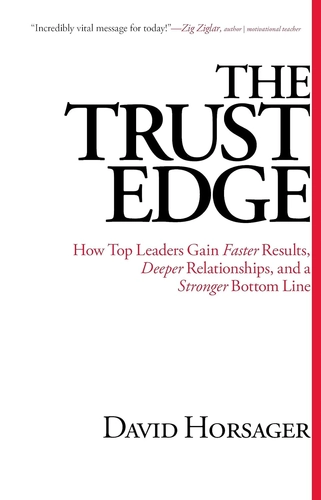
This book breaks trust into eight components and shows how each one builds or collapses.
Horsager identifies consistency, clarity, compassion, character, contribution, competence, connection, and commitment as the pillars of trust. When any of them weakens, the entire structure follows. He explains why competence without character creates suspicion, why clarity without compassion feels cold, and why the small daily behaviors matter more than grand gestures.
You’ll learn how to build trust deliberately in professional and personal relationships, and how to rebuild it when it’s been damaged. The book is full of case studies from business and life.
What Changes When You Understand Trust
You stop treating trust as something that either exists or doesn’t. You see it as something built or eroded through specific behaviors, present or absent in measurable ways.
Hold Me Tight shows you how trust works in intimate relationships. The Trust Edge gives you the framework for building it in every area of life. But Awakening to Human Nature explains why trust breaks in the first place, rooted in patterns most people never examine.
You can keep hoping people will be who you thought they were. Or you can learn to see them clearly and build trust on what’s actually there.
If you found this helpful, these books go deeper into the same themes.




Break the Anxiety Circle
$19.90

From Debt to Wealth
$19.90

