You’ve seen it happen. Someone defends a person who clearly doesn’t deserve it. Or someone you trusted for years goes silent when you need them most. Or you watch a family hold together through a crisis and then fall apart the moment things settle down.
Loyalty gets praised as a virtue, but it rarely follows the rules we expect. It forms in places that surprise you. It disappears without warning. And most people never stop to ask why.
Book 1: Awakening to Human Nature by Owen Pierce
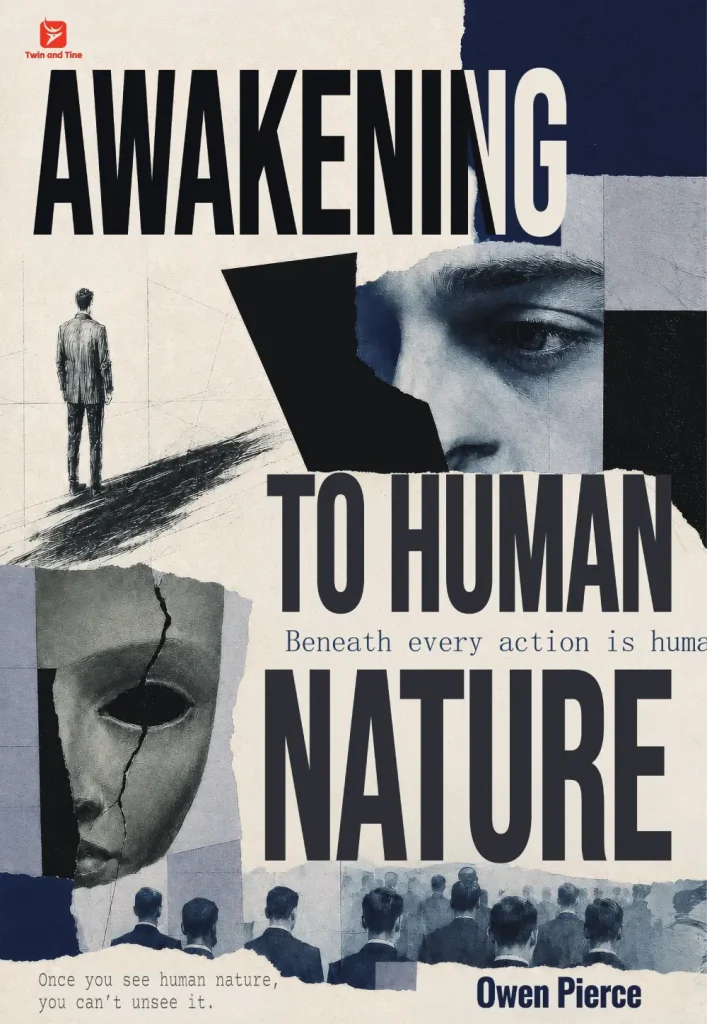
Loyalty lasts exactly as long as the need behind it.
That’s the uncomfortable starting point. People don’t stay loyal because they promised to. They stay loyal because something is being met. Security. Belonging. Mutual benefit. Status. When that thing disappears, the loyalty follows.
You’ll learn why someone can defend you fiercely when you share the same enemy, then go quiet when the enemy changes. Why soldiers bond more deeply than coworkers. Why families hold together through crisis but fracture when the pressure lifts. Why people remain devoted to leaders who hurt them, as long as the leader still provides something.
The book also turns toward your own loyalty. The people you’ve stayed devoted to past the point of reciprocity. The beliefs you inherited and never questioned. Once you see loyalty as conditional, you can finally decide which conditions are worth staying for.
Awakening to Human Nature
Owen PierceYou saw the signs. You just didn’t know what they meant yet.
Learn how to notice the patterns behind people’s words, choices, loyalty, pressure, and changing behavior.
Book 2: Tribe by Sebastian Junger
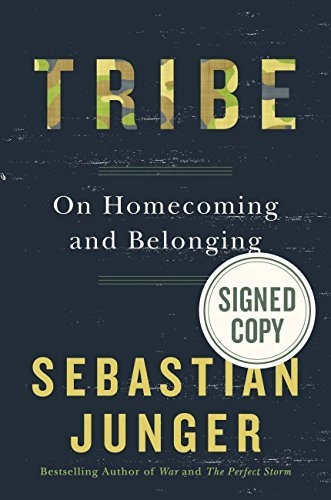
This book explores why loyalty becomes stronger in small groups than in modern society.
Junger, a journalist who covered war zones, noticed something that didn’t make sense. Soldiers often missed the intensity of combat, not despite the danger but because of it. In those conditions, they experienced a sense of belonging and mutual dependence that civilian life rarely provides. Loyalty wasn’t about ideology. It was about being needed, and needing others.
You’ll learn why communities that face hardship together form stronger bonds than communities that are comfortable. Why returning veterans often struggle to re-enter societies where loyalty is optional. Why humans may have an instinct for tribal connection that modern life doesn’t satisfy.
The book is short, powerful, and built on observations from war, history, and anthropology.
Book 3: The Righteous Mind by Jonathan Haidt
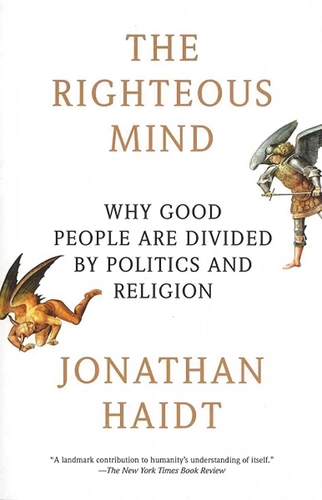
This book explains why people are loyal to groups even when it goes against their own interests.
Haidt argues that moral judgments come first, and reasoning follows. You feel loyalty to a group before you can explain why. And once you’re loyal, you’ll defend the group’s beliefs even when the evidence contradicts them. The group becomes part of your identity, and losing that identity feels worse than being wrong.
You’ll learn why political divisions feel so personal, why people defend group members who behave badly, and why facts rarely change minds when belonging is at stake. Loyalty isn’t about truth. It’s about connection.
What You Start Noticing
You’ll see the conditions behind loyalty rather than the words. You’ll understand why people stay and why they leave. You’ll recognize when someone’s loyalty is tied to what you provide rather than who you are.
Tribe shows you why loyalty runs deepest in small groups under pressure. The Righteous Mind explains how group identity shapes what people believe and defend. But Awakening to Human Nature gets to the root, because loyalty isn’t a mystery. It’s a pattern.
Understanding it doesn’t make you cynical. It makes you accurate.
If you found this helpful, these books go deeper into the same themes.




Break the Anxiety Circle
$19.90

From Debt to Wealth
$19.90

