You keep choosing the same kind of person.
Different face. Different name. Same dynamic.
They pull away, you chase. They make you feel like you are too much, so you shrink. You tell yourself this time it will be different. It is not.
The pattern is not bad luck. It is a system you learned—and you can unlearn it. These three books show you how.
How to Read Someone’s Mind by Miles Carter

The first step is seeing the pattern before you are in it.
Unhealthy relationships do not start unhealthy. They start with a small signal you ignore. A comment that stings but you let it slide. A moment of distance you rationalize. A gut feeling you dismiss.
Carter’s book teaches you to catch these early signals.
A mismatch between what they say and how they say it. A pattern of inconsistency. A shift in tone when a topic comes up. These are not random. They are roadmaps.
“Your gut is not guessing. It is reading signals your conscious mind has not yet named.”
When you learn to read people early, you stop wasting years on people who were never going to show up for you. You stop explaining away things that will hurt you later.
For anyone who looks back and realizes the signs were there all along.
Attached by Amir Levine and Rachel Heller
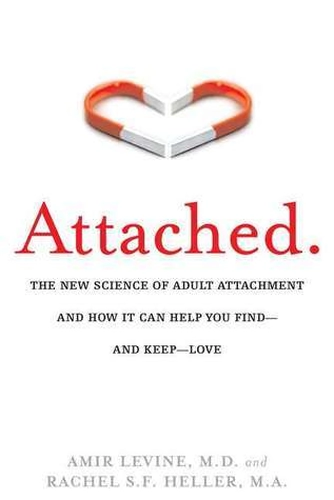
Why you are drawn to the same type again and again.
Here is something that surprises most people.
When you keep attracting emotionally unavailable people, it is not about them. It is about what your brain recognizes as “familiar.”
Levine and Heller explain attachment styles—patterns from childhood that shape adult relationships. Some people are secure. Some are anxious. Some are avoidant.
The kicker: anxious and avoidant people attract each other like magnets. The anxious chases. The avoidant pulls away. The chasing intensifies. The distance deepens.
This feels like chemistry. It is actually a pattern.
“You are not drawn to people who are good for you. You are drawn to people who feel familiar.”
When you understand your style, you stop asking “why does this keep happening?” and start choosing differently.
For anyone who keeps repeating the same cycle with different people.
Why Does He Do That? by Lundy Bancroft
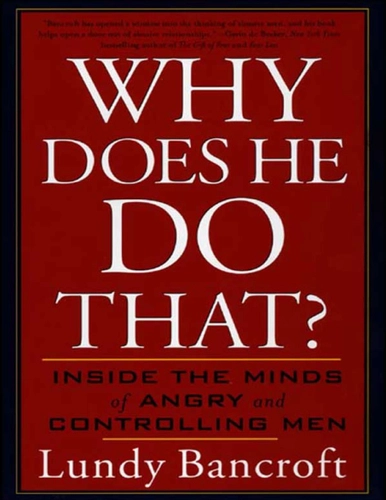
Recognizing control disguised as love.
Some patterns are subtle. Some are not.
Bancroft, a counselor who worked with abusive men for decades, wrote this book to help people see what they often cannot name: control. Not always screaming or hitting. But jealousy framed as devotion. Criticism framed as honesty. Isolation framed as “we time.”
“The most dangerous pattern is the one you mistake for love.”
This book gives you the language for what you have felt but could not explain. It outlines the mindsets and tactics behind controlling behavior—and helps you see whether your relationship is a pattern or a trap.
For anyone who suspects something is wrong but cannot quite name it.
Read Carter first if you keep missing the early signals. Read Levine and Heller if you understand the pattern but do not know why you repeat it. Read Bancroft if you need clarity on whether the pattern is actually control.
