You have argued with someone who knows they are right. No evidence matters. No logic lands. They twist your words, dismiss your points, and walk away convinced they won.
You have also been that person. Maybe not out loud. But inside, you have felt that certainty—the absolute conviction that you are correct and the other person just does not get it.
Why do we do this? Why is being wrong so hard to admit? These three books explain the psychology behind our need to be right.
How to Read Someone’s Mind by Miles Carter
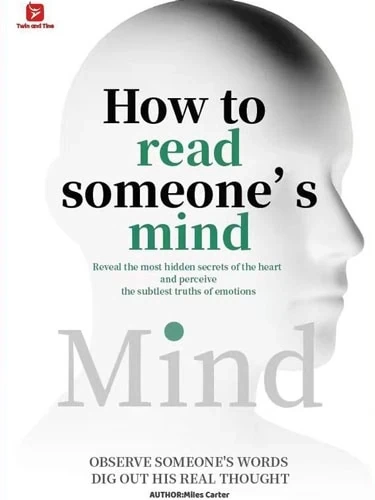
Let us imagine a disagreement. You and a friend argue about something. Later, you replay the conversation. You know you were right. The evidence is clear.
But Carter’s book has a chapter called The Real Danger in a Human Being Is Self-Deception. He argues that the hardest person to read is yourself. We all have blind spots. We twist facts to protect our self-image. We rewrite memories to make ourselves look good. We believe our own version of events so completely that we cannot see the cracks.
“The most dangerous lies are the ones you tell yourself. Because you believe them.”
Carter teaches you to catch your own self-deception. To notice when your emotions are telling you a different story from the facts. To question your own motives. It is uncomfortable, but it is the only way to see clearly—and the first step toward admitting you might not always be right.
For anyone who has ever wondered why they feel so certain—even when the evidence says otherwise.
Thinking, Fast and Slow by Daniel Kahneman
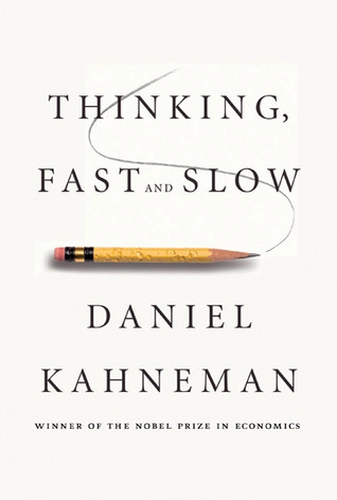
Why do we trust our own judgment so completely? Kahneman, a Nobel-winning psychologist, explains that our brains have two systems. System 1 is fast, automatic, and emotional. System 2 is slow, deliberate, and logical.
Here is the problem: System 1 makes most of our decisions. It jumps to conclusions. It fills in gaps. It creates a story that makes sense—and then System 2 steps in to justify that story. We do not reason our way to the truth. We reason our way to confirming what we already believe.
“We are not rational creatures. We are rationalizing creatures.”
We think we are right because our brain has already decided and is now busy proving it. This is not a flaw. It is how the brain works. But understanding it helps you catch yourself before you dig in.
For anyone who wants to understand why they trust their own judgment so much—and how to question it.
Being Wrong by Kathryn Schulz
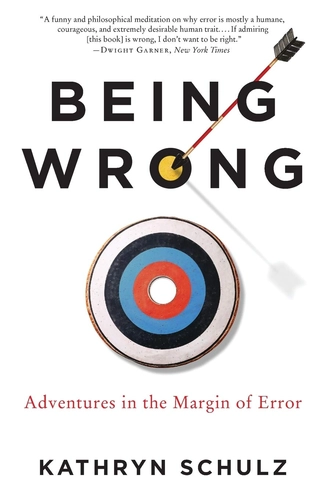
Schulz starts with a simple observation: being wrong feels terrible. It feels like failure, embarrassment, loss of control. So we avoid it at all costs.
But here is the paradox: the more we insist on being right, the more rigid we become. We stop learning. We stop growing. We push people away.
“The fear of being wrong is not about the mistake. It is about what the mistake says about us.”
Schulz argues that being wrong is not the opposite of being right—it is a necessary part of learning. She shows how our culture has made error shameful, and how that shame keeps us stuck. She offers a way to loosen our grip on certainty, to be more curious, and to relate to others with more humility.
For anyone who wants to stop defending their position and start understanding the world—and other people—more clearly.
If you want to see your own blind spots, read Carter. If you want to understand the brain’s role in self-certainty, read Kahneman. If you want to reframe your relationship with being wrong, read Schulz.
