You meet someone with power. A boss. A mentor. A senior colleague. Someone older, more accomplished, more confident. Something clicks. You feel drawn to them. You want their approval. You want them to see you.
Maybe you have noticed this pattern in your romantic life too. You keep choosing partners who are older, more successful, more dominant. People who hold the cards. People who make you feel like you have to earn their attention.
It is not random. There is a logic to it. And once you see it, you can decide whether to keep following it or change it.
Awakening to Human Nature by Owen Pierce

Imagine you are in a meeting with a senior leader. They walk in, everyone straightens up. When they speak, you nod along, even when you disagree. You find yourself wanting their recognition, their validation.
Why does their approval matter so much?
Pierce explains that authority figures trigger something deep in us. We are wired to seek validation from those above us because status and recognition feel like survival. But here is the catch—the more we chase their approval, the more we lose sight of our own judgment.
“People don’t seek truth; they seek validation. When that validation comes from authority, we stop listening to ourselves.”
Pierce also reveals the double standard at play. Those in power are often respected not because of their character but because of their position. We project qualities onto them—wisdom, fairness, competence—that they may not actually have. And we ignore the signs that they are using their power for themselves, not for us.
The book teaches you to see authority figures clearly. To distinguish between genuine leadership and performative control. To stop confusing power with worth. Once you see the hidden dynamics, the spell breaks. You stop seeking approval from people who do not deserve it.
For anyone who has ever caught themselves seeking validation from someone in power and wondered why it matters so much.
Adult Children of Emotionally Immature Parents by Lindsay C. Gibson
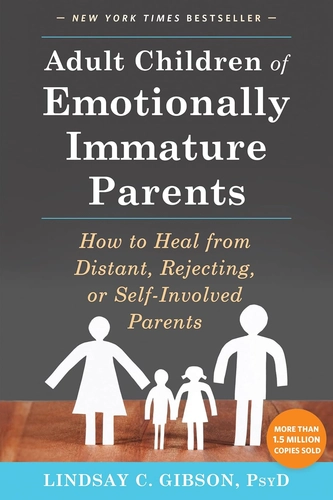
Here is the most common reason people are drawn to authority figures: they are looking for the parent they never had. Someone who finally gives direction, security, and validation.
Gibson’s book explains how childhood experiences shape what we look for in partners and authority figures. If you grew up with parents who were distant, critical, or unreliable, you learn to chase approval from anyone who seems strong and in control. You confuse authority with safety.
The book helps you identify the emotional gaps you are trying to fill. It shows you how to stop seeking from others what you can now give yourself. And it gives you the tools to recognize when an authority figure is offering connection—or just control.
“The desire for an authority figure is often the search for the parent you needed. But once you stop looking back, you can start looking forward.”
For anyone who has noticed a pattern in their relationships and wants to understand where it comes from.
The Power of Now by Eckhart Tolle
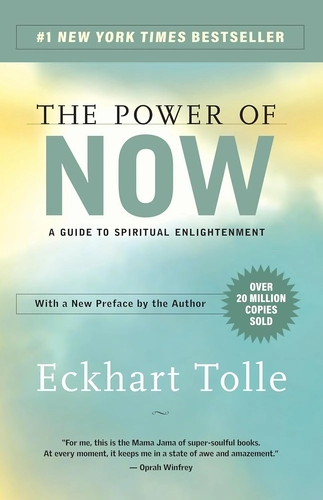
Why do we look to authority figures? Often because we do not trust ourselves. We believe someone else knows better. Someone else has the answers. Someone else is in control.
Tolle argues that this belief is the root of much human suffering. When we put authority outside ourselves, we give away our power. We look to others to tell us who we are and what to do. But the answers we are searching for are inside us.
The book is about presence. About trusting your own inner guidance. About quieting the voice that says “they know better than me.” When you stop chasing external authority, you become more grounded. Less needy. More whole. And ironically, that makes you more attractive to others—including the people you used to put on a pedestal.
“Seeking approval from authority is a way of avoiding yourself. To stop, you have to start facing the only person who can really lead you: you.”
For anyone who wants to stop looking outward for validation and start finding it within.
If you want to see authority figures clearly, read Pierce. If you are repeating a childhood pattern, read Gibson. If you want to free yourself from the need for approval, read Tolle.
