You have felt it. A sibling gets more praise. Their achievements celebrated; yours met with a shrug. Their mistakes overlooked; yours remembered for years.
Maybe your parents believe they are fair. But the evidence — subtle and not-so-subtle — is there. Favoritism is more common than most families admit. And it is rarely about who the “better” child is. These three books help you understand why it happens and what it means for you.
Awakening to Human Nature by Owen Pierce
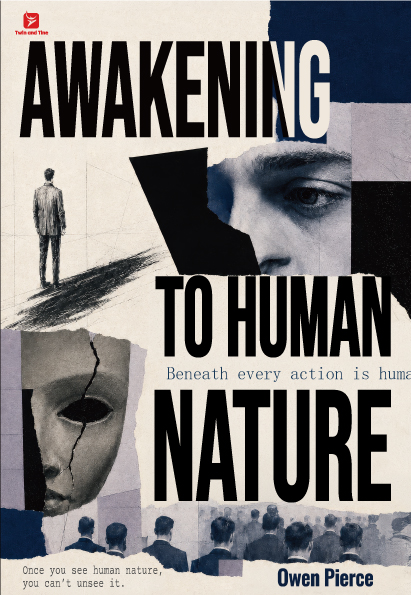
Why do parents say they love all their children equally — but act otherwise?
Your parents may genuinely believe they are fair. Their words say “I love all my children the same.” But their behavior tells a different story — warmth in their voice when your sibling calls, impatience when you speak, praise for one career path and doubt for another.
Pierce explains why this gap exists. People are often driven by hidden motives and emotional patterns they do not fully understand. Favoritism is rarely a conscious choice. It is usually the result of a parent’s unmet needs, unresolved history, or emotional blind spots.
Parents who play favorites are often the last to recognize it. They believe they are being fair — and self-deception does not make the behavior less real to the child on the receiving end. Pierce helps you distinguish between what people say and what they actually do, and why the gap between the two matters more than the words.
For anyone who was told they were imagining it.
Siblings Without Rivalry by Adele Faber and Elaine Mazlish
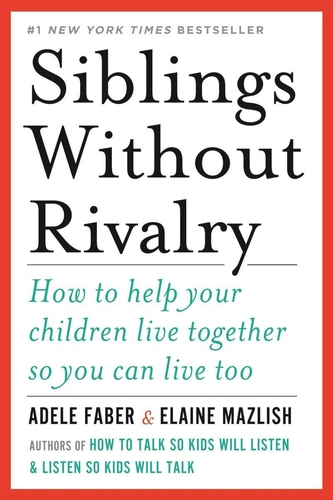
How do parents unintentionally create competition between siblings?
This classic book focuses on the everyday dynamics that turn siblings into rivals. The authors explain how comparisons, labels, and uneven attention fuel resentment that lasts for decades.
The book gives you practical language for dealing with favoritism — whether you are a parent trying to stop it, or an adult still affected by it. It explains why children interpret unequal treatment so deeply, and how small changes in how parents speak can shift the entire family dynamic.
For anyone who grew up competing for attention and is still carrying the weight of it.
Adult Children of Emotionally Immature Parents by Lindsay C. Gibson
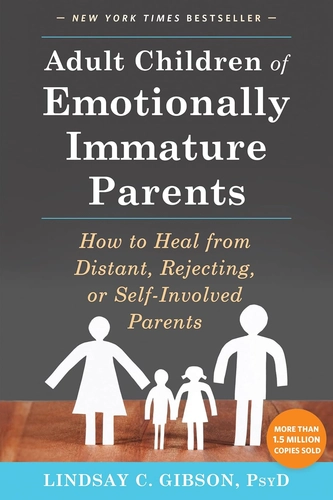
Why do some parents lack the emotional awareness to be fair?
Favoritism often stems from emotional immaturity. A parent who plays favorites may simply lack the capacity to see each child as a separate person with separate needs. They respond to which child meets their emotional needs — not to who each child actually is.
Gibson’s book helps you recognize the patterns: the parent who cannot handle your negative emotions, who makes everything about them, who rewards compliance and punishes independence. She gives you a framework for understanding that the favoritism was never about your worth — it was about their limitations.
For anyone who wants to stop seeking approval from a parent who may never give it fairly.
Which book should you start with?
If you are still wondering whether your parents actually played favorites, start with Pierce. He cuts through the fog and gives you clarity.
If you want to understand the sibling dynamics that created the rivalry, read Faber and Mazlish.
If you are ready to stop seeking approval from a parent who may never give it fairly, read Gibson.
