Here is something no one tells you.
Playing the victim works. Not because it is honest. Because it is effective. It gets attention. It deflects accountability. It positions the speaker as the one who is wronged, the one who needs care, the one who cannot be criticized because look at everything they have been through.
The truth is messier. Most people who play the victim are not lying. They believe their own story. They have rewritten events so many times that the version in their head is the only version left. They are not manipulating you. They are surviving a narrative they cannot escape.
The three books below each approach this pattern from a different angle. One helps you recognize the signals before you get pulled in. One explains where the victim identity actually comes from. One gives you a way to respond without being drawn into the drama.
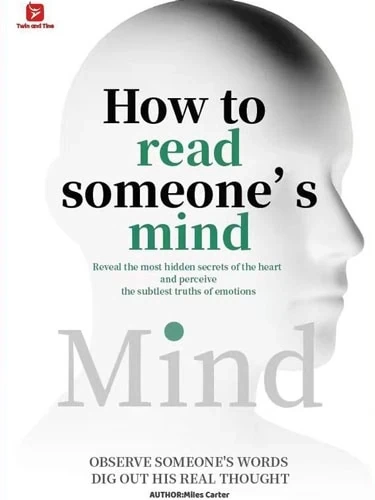
How to Read Someone’s Mind by Miles Carter
What signals tell you someone is playing the victim?
Victims are not hard to spot once you know what to look for. The problem is that their stories feel real. They are often telling the truth about what happened. They just leave out the part they played.
Carter’s book teaches you to read the patterns people reveal through their face, body, voice, and behavior over time. The way someone shifts blame without ever acknowledging their own choices. The way they recount events that always cast them as the one who suffered. The way they respond when you gently suggest they might have had some agency.
For people who play the victim, the story is not a strategy. It is an identity. They cannot separate themselves from the narrative. And they will resist any attempt to question it because questioning the story feels like questioning their existence.
What makes this book relevant here is the focus on reading patterns of behavior rather than taking stories at face value. Once you learn to see the signals, you stop getting pulled into narratives that are not yours to carry.
For anyone who wants to recognize victim behavior before they get drawn in.
The Drama of the Gifted Child by Alice Miller

Where does the victim identity actually come from?
Most people who play the victim did not wake up one day and decide to. They learned it. Early. Before they had words for it.
Miller’s book is a classic in psychology. It explores how children adapt to survive emotionally neglectful or demanding environments. They learn to suppress their own needs and perform the role that keeps their caregivers happy. They become the good child, the quiet child, the child who never asks for anything.
But that suppression does not disappear. It turns into something else. A deep, unexamined sense of being wronged. A belief that they were never seen. And a lifelong pattern of replaying that dynamic in adult relationships.
For anyone who wants to understand the root of the victim pattern.
The Reality Slap by Russ Harris

How do you respond to someone who always plays the victim?
You understand why they do it. You see where it comes from. Now you have a harder question: what do I do when the person is standing in front of me?
Harris, a psychologist who practices Acceptance and Commitment Therapy, wrote this book for people dealing with the hard realities of life. He includes specific strategies for responding to people who are stuck in their own pain. How to hold compassion without being pulled into their narrative. How to acknowledge their suffering without reinforcing their victimhood. How to stay grounded when someone is trying to draw you into their drama.
This is not about being cold. It is about being clear. You can care about someone and still refuse to play the role they have assigned you.
For anyone who wants to respond with compassion without becoming part of the story.
These three books each offer a different lens on victimhood. Carter helps you spot the signals before you get pulled in. Miller traces its origins. Harris gives you a way to respond.
If you want to stop getting pulled into other people’s victim stories, start with the one that matches where you are stuck. Need to recognize the pattern early? Start with Carter. Need to trace the origin? Start with Miller. Need to respond without being consumed? Start with Harris.
You can hold compassion for someone without believing their story is the only one that matters.
