You tell someone the truth. And they turn on you.
Not because you were wrong. Not because you were cruel. But because the truth threatened something they were not ready to face.
Maybe you pointed out that a decision was a mistake. Maybe you showed them evidence that contradicted what they believed. Maybe you simply stopped agreeing with a story everyone else was protecting.
They did not argue with the evidence. They attacked you.
That reaction is not a rare failure of intelligence. It is what happens when a fact collides with an identity.
What’s Actually Going On?
Three different things often get mixed together:
- Not knowing the truth
This is an information problem. Evidence can help. - Not wanting the truth
This is a motivation problem. Evidence alone rarely helps. - Not being able to accept the truth without losing yourself
This is an identity problem. Evidence can feel like an attack.
The third one is the hardest. Once a belief becomes part of someone’s identity, contradicting evidence does not arrive as information. It arrives as a threat. The mind does not evaluate it neutrally. It defends against it.
The books below explain that process at different levels. Start with the one that matches what you are actually seeing.
If You Keep Bringing Evidence and It Never Works
The Believing Brain by Michael Shermer
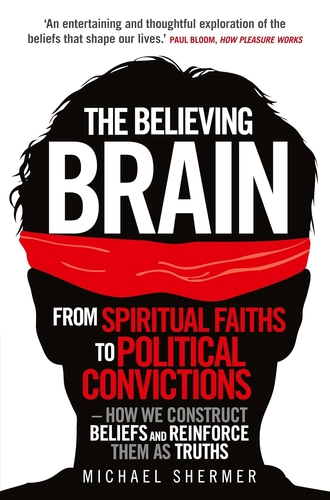
Best if you want to understand why facts rarely change minds.
Michael Shermer argues that the brain does not evaluate evidence and then form beliefs. It forms beliefs first, then looks for evidence to support them. You decide what feels true, then you build the case.
That is why contradicting evidence often makes the belief stronger instead of weaker. The person is not weighing your fact against their belief. They are defending a conclusion they already reached.
This book covers confirmation bias, motivated reasoning, and why people defend beliefs that harm them. It also explains how entire groups can hold onto false ideas in the face of overwhelming evidence.
Choose this one if: you keep thinking, “If they just saw the data, they would understand.” This book shows why that assumption fails.
If the Denial Is Cultural, Not Just Personal
Denialism by Michael Specter
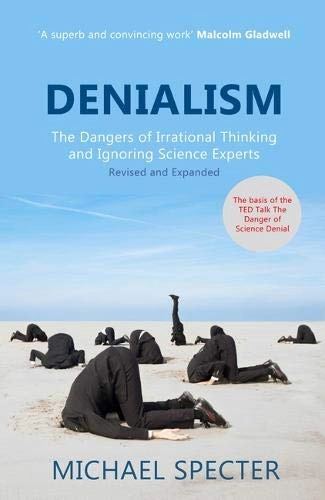
Best if you want to understand denial as a social and cultural force.
Michael Specter examines why people reject established facts on vaccines, climate, and medicine. What he finds is not simple ignorance. It is a psychological resistance to being told what to think, combined with a deep need to feel in control of one’s own reality.
This book explains how denial spreads, why it resists correction, and what it costs societies when truth becomes optional. It is less about one person’s ego and more about what happens when a group decides that expertise itself is the enemy.
Choose this one if: you are looking at a whole community, industry, or movement rejecting facts—not just one stubborn person.
If the Person Is Not Just Wrong—They’re Protecting Themselves
Awakening to Human Nature by Owen Pierce
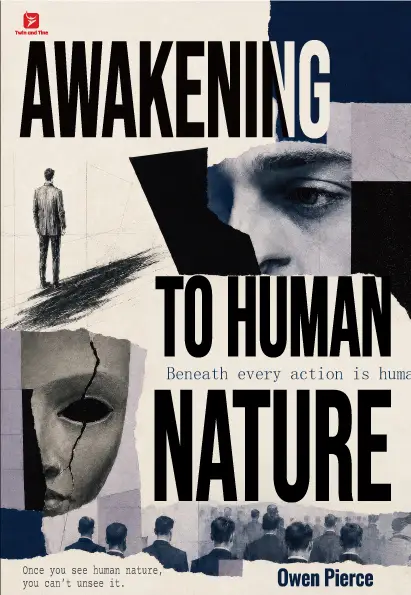
Best if you want to understand the self-deception underneath denial.
The real reason people avoid the truth is often that they have already lied to themselves first.
Accepting the fact would mean admitting something painful: that they were wrong, that they were fooled, that they are not who they thought they were. The mind protects itself from that discomfort. It filters information, rewrites memory, and finds reasons to dismiss whatever threatens the story it has built.
By the time you arrive with the truth, the person has already constructed a version of reality where the truth is not needed. That is why the person who tells the truth is often the most hated. Being right does not make people listen. It makes them defensive.
Choose this one if: the person you are thinking of is not simply misinformed. They are protecting an identity, a self-image, or a version of events they need to keep.
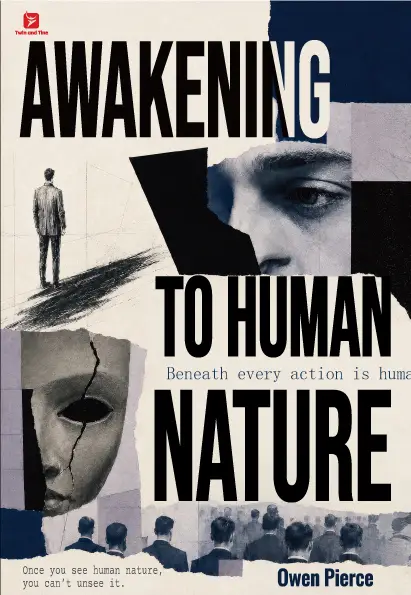
Awakening to Human Nature
Owen PierceA practical guide for understanding hidden motives, social patterns, emotional pressure, and manipulation—so you can read situations more clearly and protect your boundaries with confidence.
Which Book Should You Start With?
- If you keep arguing with evidence and losing: The Believing Brain.
- If the denial is happening in a group, culture, or movement: Denialism.
- If the person is protecting a version of themselves they cannot afford to lose: Awakening to Human Nature.
If the question that brought you here is personal—not “Why do people reject facts?” but “Why does this person reject a truth that would obviously help them?”—start with Awakening to Human Nature. It looks at the deeper layer underneath both belief formation and cultural denial: the self-deception that makes all of it possible.
You will still see people avoid the truth. That will not change. But you will understand why—and that changes how you respond.
