You have been in this situation.
You say something, and someone talks over you. You share an idea, and someone dismisses it. You set a boundary, and someone ignores it. You walk away wondering: did I do something wrong? Am I too sensitive? Do they even realize they are doing it?
Disrespect rarely announces itself. It shows up as a pattern of small moments that leave you feeling smaller. And the hardest part is that it often comes from people who claim to care about you.
The three books below each address a different layer of this problem. One helps you read the signals that tell you when you are being subtly dismissed. One explains why some people withhold respect—and why others tolerate it. One gives you the tools to command respect without becoming someone you do not want to be.
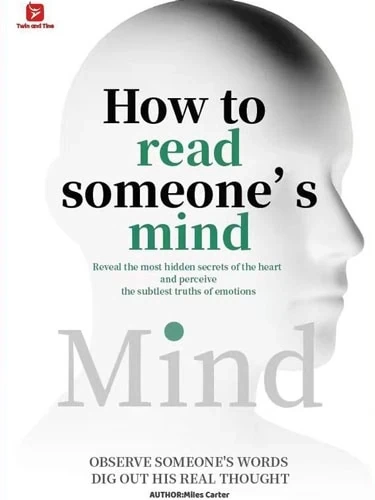
How to Read Someone’s Mind by Miles Carter
What signals tell you someone is not respecting you?
Disrespect does not always look like rudeness. Sometimes it looks like a pattern of small moments. A friend who consistently interrupts you. A colleague who takes credit for your work. A partner who dismisses your feelings with “you are overreacting.” A parent who treats your boundaries as suggestions.
Carter’s book teaches you to read the signals people reveal through their face, body, voice, and behavior over time. The mismatch between what they say and what they do. The subtle dismissals disguised as jokes. The way they respond when you assert yourself. The shift in tone when you share something important to you.
What makes this book relevant here is the focus on patterns. A person who dismisses you once might be having a bad day. A person who consistently talks over you, ignores your input, and treats your needs as optional is showing you something.
The difference between someone who respects you and someone who does not is how they respond when you say no.
When you can see these signals, you stop second-guessing yourself. You stop wondering if you are being too sensitive. You start knowing.
For anyone who keeps wondering “does this person actually respect me?”
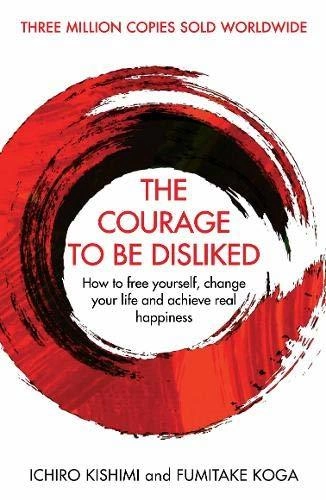
The Courage to Be Disliked by Ichiro Kishimi and Fumitake Koga
Why do some people withhold respect—and why do you care so much?
Here is something uncomfortable to consider.
People disrespect you because they can. Not because you deserve it. Not because you are weak. Because you have not shown them that disrespect has consequences.
This book, written in the form of a dialogue between a philosopher and a young man, is built on the ideas of Alfred Adler, the psychologist who argued that most of our problems are interpersonal. Adler believed that all human suffering comes from relationships—and that the solution lies in separating your problems from other people’s problems.
One of the hardest questions the book raises is this: why do you care so much about being respected by people who do not respect you?
You cannot control whether someone respects you. You can only control how much space you give them in your life.
What makes this book valuable is the reframe. It does not tell you to demand respect. It tells you to stop needing respect from people who are incapable of giving it. It frees you from the exhausting cycle of trying to prove your worth to people who are not paying attention.
For anyone who has ever exhausted themselves trying to earn respect from someone who was never going to give it.
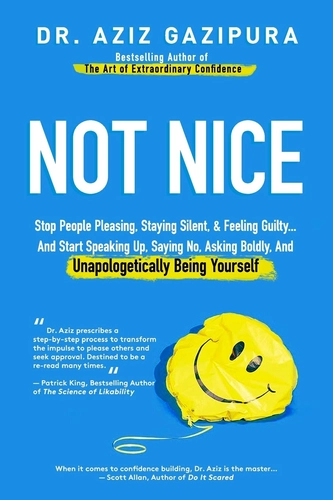
Not Nice by Dr. Aziz Gazipura
How do you command respect without becoming aggressive?
You have recognized the pattern. You understand why you care so much. Now you have a harder question: what do I actually do about it?
Gazipura, a clinical psychologist who specializes in confidence and assertiveness, wrote this book for people who are tired of being nice. Not kind. Nice. Nice is what you do when you are afraid of conflict. Kind is what you do when you genuinely care.
What makes this book essential is the distinction. Nice people get disrespected because they prioritize others’ comfort over their own needs. They say yes when they mean no. They stay quiet when they should speak up. They accommodate people who would never accommodate them.
Being nice is not the same as being kind. Nice is fear. Kind is strength.
The book gives you specific strategies for shifting from nice to kind. How to say no without apologizing. How to express your needs without guilt. How to hold your ground when someone pushes back. How to stop performing for people who are not paying attention.
For anyone who is tired of being nice and wants to learn how to be kind instead.
These three books each address a different part of the problem. Carter helps you read the signals that tell you when you are being disrespected. Kishimi and Koga help you understand why you care so much about people who do not respect you. Gazipura gives you the tools to command respect without becoming aggressive.
If you are tired of being disrespected and want to take your power back, start with the one that matches where you are stuck:
- Need to stop missing the signals? Start with Carter.
- Need to stop caring what disrespectful people think? Start with Kishimi and Koga.
- Need to stop being nice and start being kind? Start with Gazipura.
The hardest part is not recognizing disrespect. It is accepting that the people who disrespect you have made a choice. And that choice has nothing to do with you.
