You see it everywhere. Someone criticizes you for something they do themselves. A colleague demands flexibility they’d never grant you. A friend judges your choices while expecting leniency for their own. The rules apply to you. The exceptions apply to them.
It’s infuriating. And it’s also one of the most predictable patterns in human behavior.
People don’t have double standards because they’re hypocrites. They have them because their mind protects their own self-image at any cost. This article explores three books that explain why.
Book 1: Awakening to Human Nature by Owen Pierce
The double standard starts inside your own head.
This book explains why people judge themselves and others by completely different rules. When you make a mistake, you see the circumstances. When someone else makes the same mistake, you see their character. When you fail, it’s because of bad luck. When they fail, it’s because they didn’t try hard enough.
The mind does this automatically. It filters evidence to protect your self-image. It rewrites your own story in ways that make you look reasonable, while holding others to standards you’d never apply to yourself. You’re not being dishonest. You’re being human.
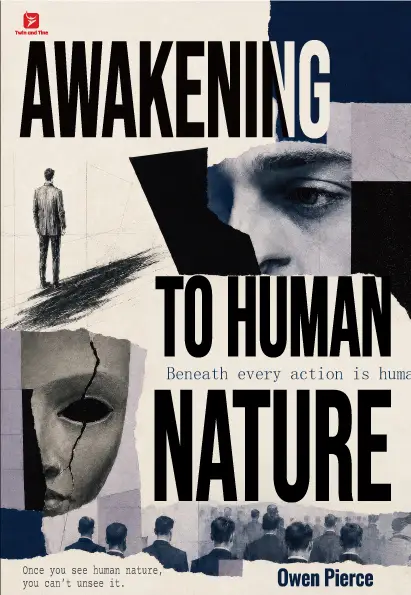
You’ll learn why the world runs on double standards. Why loyalty is judged differently depending on who’s asking. Why money is respected more than the person holding it. These patterns repeat across cultures and centuries because they’re wired into how humans protect their sense of self.
Once you see the mechanism, you stop being surprised when people apply different rules to you. You understand it. And you learn to navigate it.
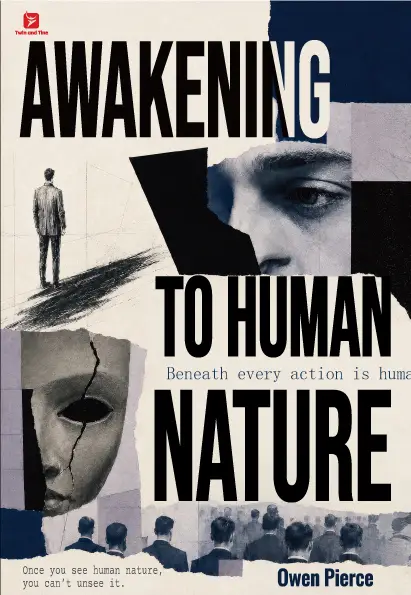
Awakening to Human Nature
Owen PierceA practical guide for understanding hidden motives, social patterns, emotional pressure, and manipulation—so you can read situations more clearly and protect your boundaries with confidence.
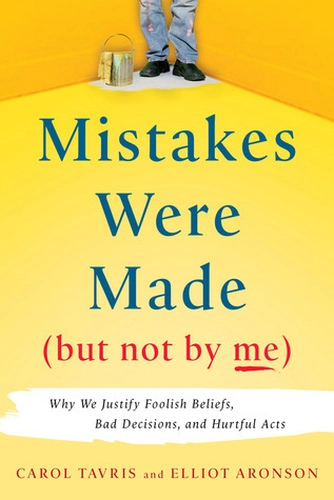
Book 2: Mistakes Were Made (But Not by Me) by Carol Tavris and Elliot Aronson
This book explains the engine behind double standards: self-justification.
Tavris and Aronson show that when people do something wrong, their brain immediately works to justify it. They rewrite history. They blame others. They find reasons why their behavior was actually acceptable. Meanwhile, they judge others who do the same thing harshly, because there’s no self-image to protect.
You’ll see how this plays out in politics, law, medicine, and everyday relationships. The same person who excuses their own mistakes will condemn yours. Once you understand why, the double standard stops feeling personal.
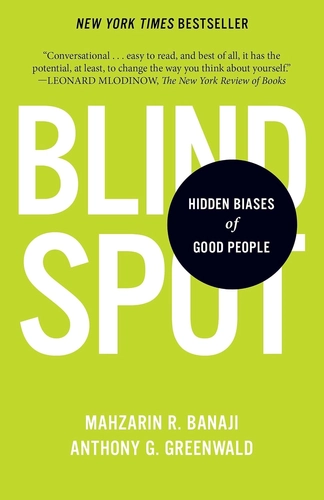
Book 3: Blindspot by Mahzarin Banaji and Anthony Greenwald
This book explores the hidden biases that create double standards without us realizing it.
Banaji and Greenwald show that even people who believe in fairness hold unconscious biases that lead to inconsistent judgments. You might treat two people differently without any awareness of doing so. Your brain categorizes, judges, and reacts before your conscious mind can intervene.
Understanding these hidden biases doesn’t excuse the double standard. But it explains why it happens even among people who genuinely believe they’re being fair.
What Changes When You Understand This
You stop expecting fairness from everyone. Not because fairness doesn’t matter, but because you finally understand why people fail at it. The double standard isn’t always intentional. It’s often invisible to the person applying it.
You can’t argue someone out of a bias they don’t know they have. But you can recognize the pattern, protect yourself from it, and decide how much energy you want to spend fighting it.
Mistakes Were Made shows you how self-justification works. Blindspot reveals the hidden biases underneath. But Awakening to Human Nature explains the deeper pattern all of it comes from: the mind protecting its own self-image at any cost.
You’ll still see double standards everywhere. But you’ll understand why. And that understanding changes how you respond to every unfair judgment you face.
