You know something is true. You have known for a while. But you keep telling yourself a different story.
Maybe it is a relationship that is clearly over. You call it a rough patch.
Maybe it is a job that is slowly draining you. You call it being responsible.
Maybe it is a choice you cannot undo. You call it bad timing.
The story is easier to live with than the truth. So you keep the story.
This is not a rare failure of honesty. It is one of the mind’s default moves. The question is not whether people do it. The question is what kind of self-deception you are trying to understand.
What Is Actually Happening When You Lie to Yourself?
Three mechanisms often get mixed together:
- Rationalization
You start with what you want to do, then build reasons backward. - Cognitive dissonance
Your behavior conflicts with your self-image, so you edit the explanation instead of the behavior. - Identity protection
The truth threatens who you believe you are, so memory, evidence, and motive get rearranged.
This is why self-deception can feel sincere. The person is not twirling a mustache. They are protecting a version of themselves they need to keep.
The books below approach that problem from different angles. Start with the one that matches what you actually want to understand.
If You Want to Understand the Person Behind the Story
Awakening to Human Nature by Owen Pierce
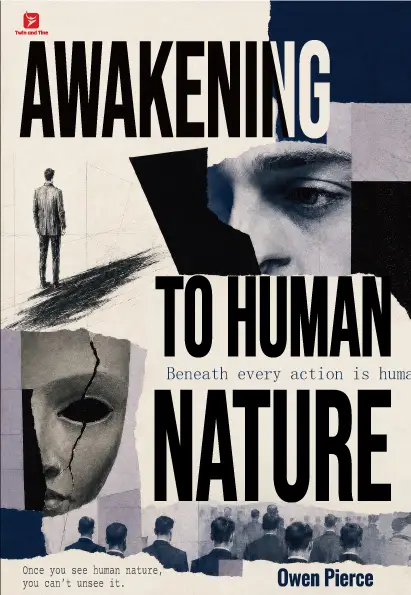
Best if you want to understand why people protect a version of themselves they already suspect is false.
This book puts self-deception at the center of human behavior. It looks at why the mind rewrites memory, filters evidence, and protects the ego even when the cost is obvious to everyone else.
It covers why someone can betray you and genuinely feel like the victim. Why people justify behavior they would condemn in others. Why the same person who demands honesty from you can lie to themselves without a flicker of discomfort.
It also turns the lens on you: the stories you tell yourself about your choices, the reasons you give for staying stuck, and the version of events you remember that conveniently favors you.
Choose this one if: you are less interested in a list of biases and more interested in motives, defensiveness, manipulation, and the stories people create to protect themselves.
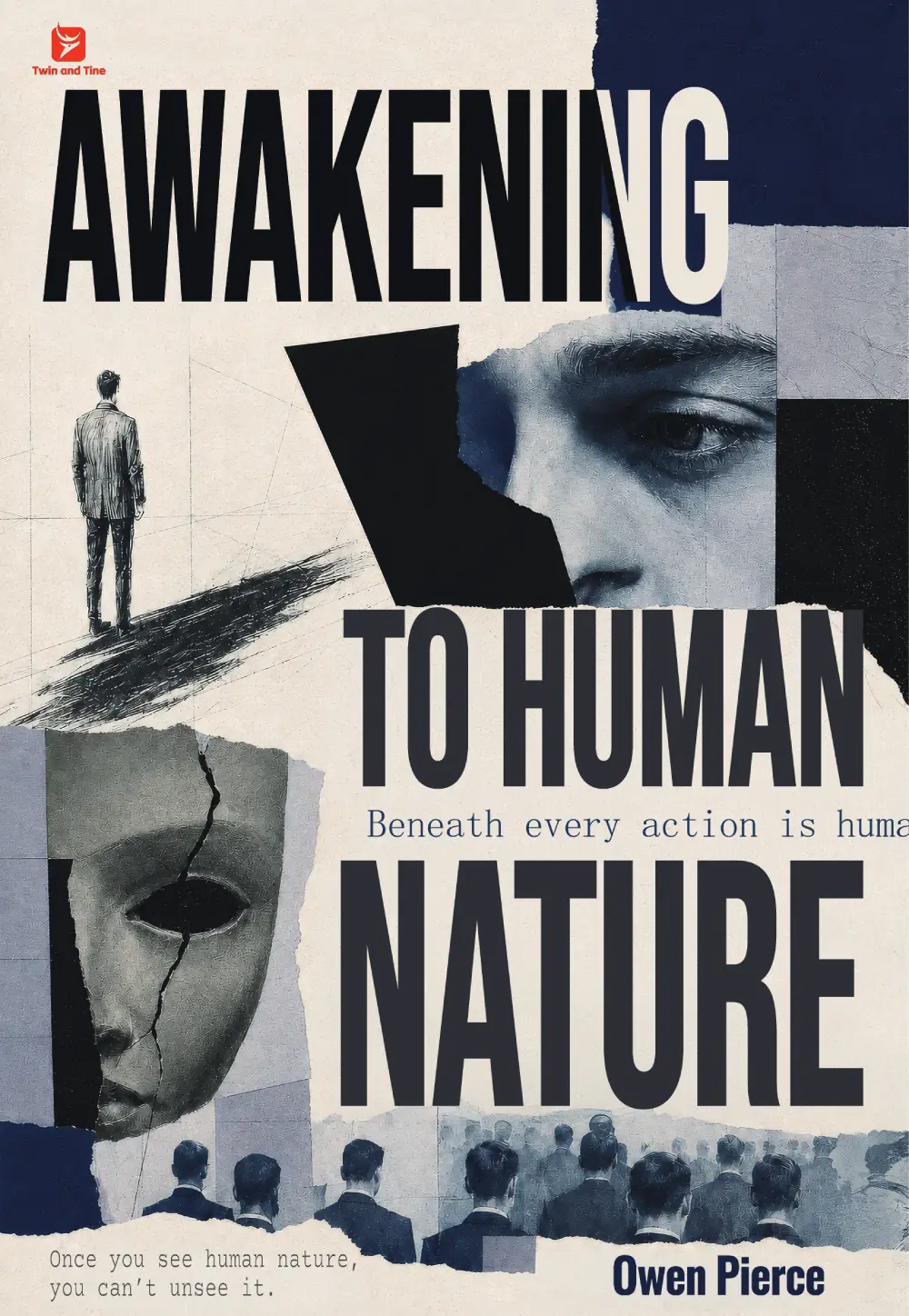
Awakening to Human Nature
Owen PierceYou saw the signs. You just didn’t know what they meant yet.
Learn how to notice the patterns behind people’s words, choices, loyalty, pressure, and changing behavior.
If You Want to Catch Your Own Mind in the Act
You Are Not So Smart by David McRaney
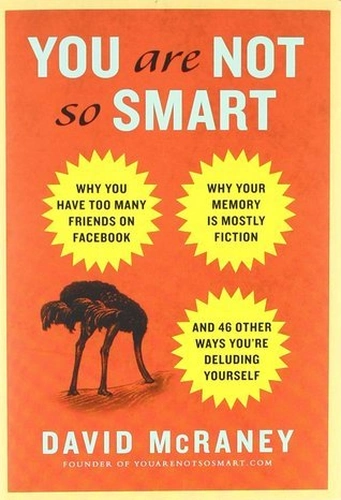
Best if you want the cognitive biases behind self-deception.
David McRaney takes the research on cognitive biases and makes it painfully personal. You will see why you remember your past more fondly than it was. Why you think you are a better driver, listener, and decision-maker than you actually are. Why you buy things to become a different person and then stay exactly the same.
The tone is not cruel. It is funny, humbling, and hard to unsee. You start catching your own mind in the act.
Choose this one if: you want to recognize your own rationalizations as they happen, not just understand them in other people.
If You Want to Understand Why Being Wrong Feels Like Being Right
Being Wrong by Kathryn Schulz
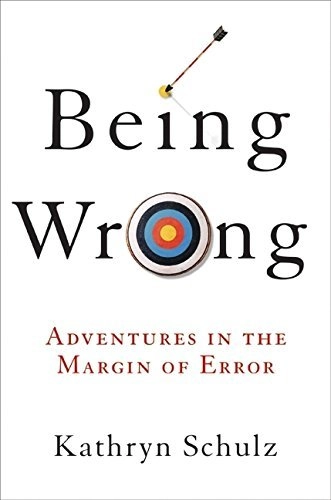
Best if you are interested in why certainty feels so convincing.
Kathryn Schulz explains why being wrong feels exactly like being right. When you are wrong, you do not experience a flashing warning sign. You feel the same certainty you feel when you are correct. That is why self-deception is so hard to catch. There is no discomfort until the truth arrives, often too late.
The book also shows how whole societies, industries, and marriages can be built on shared mistakes that no one noticed.
Choose this one if: you want to question the feeling of certainty itself.
Which Book Should You Start With?
- If you want to understand why people protect a false story about themselves: Awakening to Human Nature.
- If you want to recognize your own cognitive biases: You Are Not So Smart.
- If you want to understand why mistakes never feel like mistakes: Being Wrong.
If the question that brought you here is personal—not “Why do people lie to themselves?” but “Why do I keep believing a story I already know is not true?”—start with Awakening to Human Nature. It does not treat self-deception as a trivia category. It looks at what people do to protect the version of themselves they already believe in.
Awakening to Human Nature
Owen PierceA practical guide to recognizing hidden motives and protecting yourself from manipulation.
The truth doesn’t have to be comfortable. But first you have to notice which story you’re protecting.

