Have you ever met someone who always turns the conversation back to themselves?
You share a story, they share a bigger one. You mention a problem, they have a worse one. You leave the conversation feeling like you were the audience, not a participant.
Why do some people need attention so badly?
It is rarely just about being “self-centered.” Beneath the surface, attention‑seeking is often about insecurity, a lack of self‑worth, or simply not knowing how to connect in any other way. These three books help you understand what is really going on.
How to Read Someone’s Mind by Miles Carter
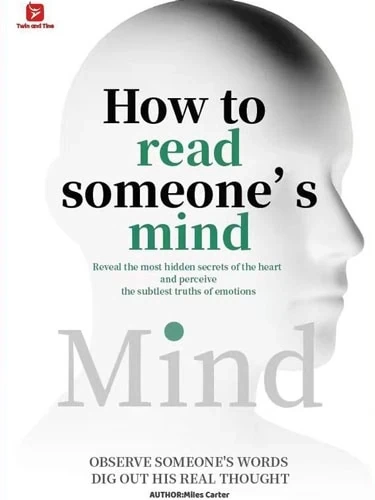
Why do some people always steer the conversation toward themselves?
You have been in that conversation. You start speaking, and within seconds, they interrupt with their own story. Once might be accidental. Every time is a pattern.
Carter’s book teaches you to read people through four channels: face, body, voice, and context. Those who constantly seek attention send clear signals:
- Facial expressions: When you talk, they may glance away or wear that “hurry up so I can speak” look.
- Body language: Leaning in too eagerly or exaggerating gestures — not always engagement, often a grab for the spotlight.
- Voice: A sudden rise in volume or speed is often a “look at me” cue.
- Context: How much attention someone seeks in different settings reveals a lot about their social awareness.
Carter’s core insight: people’s behavior is never random. Those who constantly seek attention are often unaware of what they are doing. They are clumsily filling a void — insecurity, low self‑worth, or fear of being ignored.
This book does not teach you to resent these people. It teaches you to see them clearly — so you can decide whether to stay and listen or step back.
For anyone who has ever left a conversation feeling drained and wondered why.
The Pursuit of Attention by Charles Derber
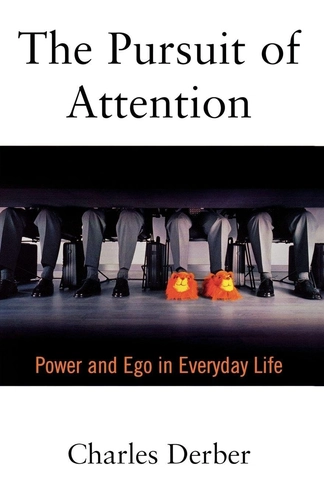
Why does everyone seem to be fighting for the floor in modern conversations?
Derber, a sociologist at Boston College, coined the term “conversational narcissism.” It describes how people constantly shift conversations back to themselves.
Derber found that in modern society, people lack genuine social support. They are lonely and disconnected, so they chase attention to fill the void. The book is filled with transcripts of real conversations — dialogues that sound uncomfortably familiar.
What makes this book eye‑opening is Derber’s argument that the internet has magnified the problem. Social media, personal pages, and endless status updates give us unprecedented visibility — but they also make us more self‑absorbed.
For anyone who wants to understand that attention‑seeking is not just a personal flaw — it is a cultural condition.
Attention Seeking by Adam Phillips

What exactly is “attention,” and why do we crave it so desperately?
Phillips, a leading British psychoanalyst, wrote this short but dense book. He starts with one question: what is attention, and why do we seek it?
He distinguishes between “official curiosity” — what we are taught to be interested in (success, status, the “right” things) — and “unofficial curiosity” — our actual, often unacknowledged desires. Psychoanalysis, he argues, is the story of the gap between the two.
Phillips suggests that attention‑seeking stems from a lack of self‑knowledge. When we do not know what we truly want, we seek external confirmation of our existence. We need to be seen because we have not yet learned to see ourselves.
For anyone who has ever wondered why they crave the spotlight — or why others do.
Which book should you start with?
If you want to recognize attention‑seeking behavior in real time and protect your energy, read Carter.
If you want to understand the social and cultural forces behind it, read Derber.
If you want the deep psychological roots — and maybe a mirror for your own behavior — read Phillips.
