You have seen it. The colleague who cannot stop talking about their promotion. The friend who posts every vacation photo. The person who turns every topic back to their own achievements.
It is annoying. But it is also revealing. Showing off is not just about ego—it is about insecurity, status anxiety, and a deep need for validation. The three books below help you understand why people do it, and what to do when you are stuck dealing with one.
Awakening to Human Nature by Owen Pierce

Imagine you are at a dinner party. Someone spends the whole night steering every conversation back to themselves—their new car, their promotion, their expensive trip. The more they talk, the more the others shift uncomfortably.
Why do they do this?
Pierce explains that people show off because they crave validation more than truth. They are driven by a need to be seen and admired. But the louder the performance, the quieter the self-worth beneath it.
“People don’t seek truth; they seek validation. The louder the performance, the quieter the self-worth beneath it.”
Pierce breaks down why status becomes addictive—the more recognition they get, the more they need. He also shows how showing off is often a defense mechanism: when people feel small inside, they try to look big on the outside.
Once you see the insecurity behind the boast, the showing off stops feeling like arrogance and starts looking like what it really is: a quiet cry for approval.
For anyone exhausted by someone who cannot stop talking about themselves and wants to understand what is really going on.
The Narcissism Epidemic by Jean M. Twenge and W. Keith Campbell

Narcissism is not just vanity. It is a deep need for attention and admiration. People high in narcissism show off constantly because they genuinely believe they are more important than everyone else—and they need others to confirm that belief.
“Narcissists show off because they cannot feel good unless others are looking.”
The book traces the cultural forces behind this behavior: social media, parenting trends, and a societal shift toward self-importance. Understanding narcissism helps you stop taking the showing off personally. It is not about you. It is about a personality that desperately needs attention to function.
For anyone who has noticed that showing off seems to be everywhere and wants to know why.
The Status Game by Will Storr
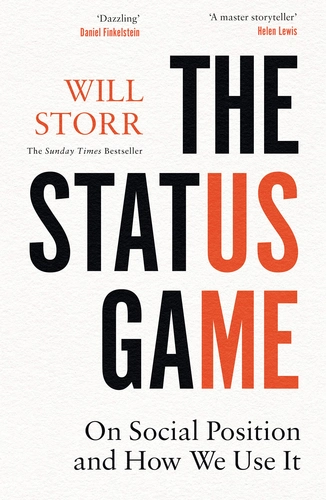
Storr argues that humans are wired to care about social status. Showing off is how we signal our value to others. But status is not just about wealth or power—it is about perceived worth.
“Status is the currency of human interaction. People show off because they are spending that currency to buy attention and respect.”
He explains why some people get trapped in an endless cycle of comparison and status anxiety. Understanding this helps you choose better games to play and stop getting pulled into other people’s performances.
For anyone who wants to understand the social competition beneath every boast.
Read Pierce first if you want to see the insecurity behind the performance. Read Twenge and Campbell if you want to understand why showing off has become so widespread. Read Storr if you want the big picture on status and social competition.
