You have probably watched someone stay in a relationship where they were clearly being controlled. Or watched a colleague get taken advantage of by someone charming but untrustworthy. Or looked back at a situation where you yourself ignored warning signs because the person seemed so convincing.
The question is rarely “are they a bad person?” It is usually “why did I believe them?”
Manipulation works because it exploits normal human tendencies: the desire to trust, the discomfort of conflict, the tendency to mistake confidence for competence, and the hope that people are who they say they are.
Awakening to Human Nature by Owen Pierce
Understand why people are vulnerable to manipulation
Most people assume manipulation works because manipulators are clever. But that is only half the story. The other half is that normal human psychology makes people easy to manipulate.
Pierce explains that many manipulative behaviors succeed not because the manipulator is brilliant, but because people naturally avoid conflict, want to believe the best in others, and mistake confidence for competence.
A manipulator often gets away with things because the people around them do not want to call them out. They get trusted because people want to believe their promises. They get opportunities because they project certainty.
The book helps you see why certain behaviors—charm, confidence, and apparent certainty—can override skepticism, even in smart people. It does not excuse manipulation. It explains why it works.

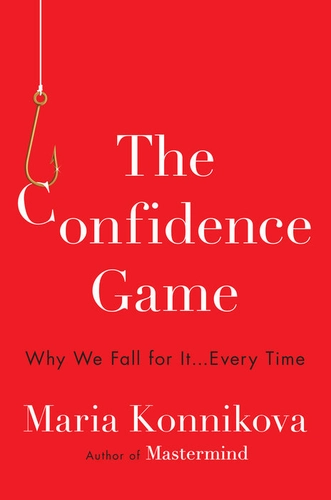
The Confidence Game by Maria Konnikova
Understand how con artists exploit human nature
Konnikova, a psychologist and writer, spent years studying con artists. She found that most victims are not gullible or stupid. They are ordinary people who were persuaded by something that felt real.
A con artist does not force anyone to do anything. They create a story that fits what the victim wants to believe. They build trust slowly. They make the victim feel special, chosen, and in control. By the time the truth becomes visible, the victim is already invested.
The book explains why intelligent people fall for scams, why confidence and consistency feel trustworthy, and why people often defend a manipulator long after evidence suggests they should not.
Reading this book does not make you cynical. It makes you more careful about who you trust and why.
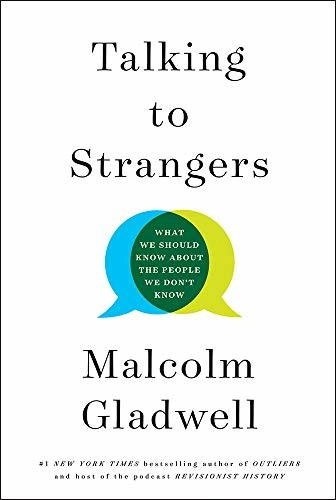
Talking to Strangers by Malcolm Gladwell
Understand why people misread others’ intentions
Gladwell explores a different layer of manipulation: the fact that people are not very good at reading strangers.
He shows how people default to believing others, even when evidence suggests they should not. This is not stupidity. It is a feature of how human interaction works. Most people are honest, so assuming honesty is usually the right move. But this default setting makes people vulnerable to those who are not honest.
Gladwell examines cases where people missed obvious warning signs because they assumed good intentions. He explains why the people who are best at manipulating others are often the ones who seem the most trustworthy.
The book is not a guide to spotting deception. It is an explanation of why deception works.
What these books teach you
These three books approach manipulation from different angles.
The first book explains the internal tendencies that make people vulnerable. You learn why confidence can feel like competence, why people avoid conflict, and why manipulators get away with things.
The second book explains how manipulation actually works. You learn why con artists succeed, why victims stay invested, and why intelligence is not protection.
The third book explains why people so often misread others. You learn why defaulting to trust is normal, and why that default can be dangerous.
Understanding manipulation is not about becoming suspicious of everyone. It is about seeing the patterns that make people vulnerable in the first place.
