You know someone like this. A coworker who turns every meeting into a complaint session. A family member who finds the downside in every situation. A friend who drains you just by showing up.
You wonder: why are they like this?
The answer is not that they enjoy being miserable. It is usually something else — fear, insecurity, attention-seeking, or a pattern that has been running so long they do not know how to stop. These three books help you understand what is really going on.
How to Read Someone’s Mind by Miles Carter
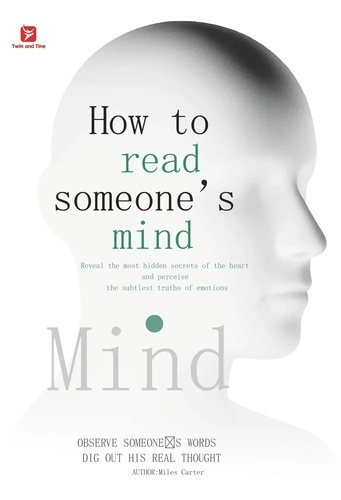
What are they actually saying when they complain?
When someone is constantly negative, it is easy to take it personally. But Carter teaches you to look past the surface. Complaints are rarely about the thing being complained about. They are signals.
A colleague who complains about everything may be covering up insecurity. A friend who always finds the flaw may be trying to feel in control. A family member who sees the worst in every situation may be asking for attention in the only way they know how.
Carter breaks down how to read people through face, body, voice, and context. You learn to distinguish between someone who is having a bad day and someone whose negativity is a pattern. You see the difference between a genuine concern and a habitual complaint.
You also learn how to protect your energy. Once you recognize that someone’s negativity is not about you — it is about their own unresolved stuff — you stop taking it so personally. You can listen without absorbing.
For anyone who has been drained by a negative person and wondered why they are that way.
The Happiness Advantage by Shawn Achor
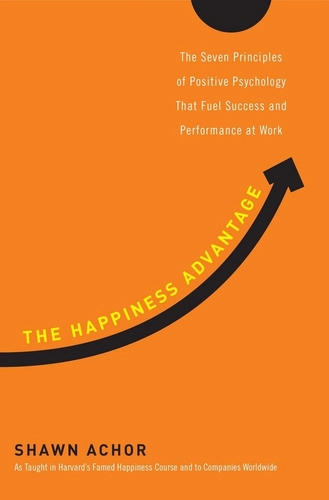
Why does negativity spread — and how do you protect yourself from it?
Achor, a Harvard researcher, spent years studying the science of happiness. One of his central findings is that negativity is contagious. The brain is wired to mimic the emotions of people around us. When someone is constantly negative, it actually shifts your own brain chemistry.
But here is the good news: positivity is also contagious. Achor gives you practical strategies to protect your mindset around negative people. He also explains why some people seem to get stuck in negativity — often because of the way their brain has been trained to scan for threats.
The book is not about ignoring problems or pretending everything is fine. It is about training your brain to see possibilities even when someone else is stuck in problems.
For anyone who has been dragged down by a negative person and wants to stop absorbing their energy.
Feeling Good by David Burns
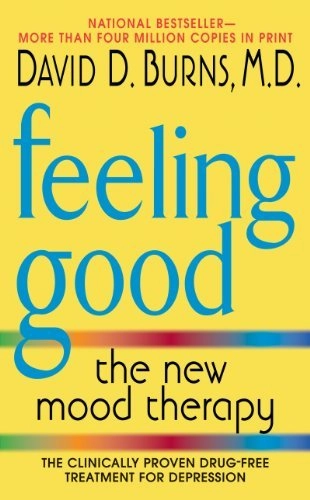
Why do negative people believe their own negativity?
Burns is the author of the classic book on cognitive behavioral therapy. His work explains why negative thinking becomes a habit — and why people who think negatively often believe they are just being “realistic.”
He identifies cognitive distortions: mental patterns that twist reality into something darker than it is. All-or-nothing thinking. Overgeneralization. Mental filtering. These distortions become automatic. Negative people do not realize they are doing it. They think they are seeing things clearly.
Understanding this changes how you respond. You stop arguing with them. You stop trying to prove them wrong. You realize they are trapped in a mental pattern, and your job is not to fix them — it is to protect your own peace.
For anyone who has ever tried to reason with a negative person and got nowhere.
Which book should you start with?
If you want to understand what is actually driving someone’s negativity — and how to read the signals beneath the complaints — start with Carter. He gives you clarity.
If you want to protect your own mindset around negative people, read Achor. He gives you strategies.
If you want to understand why negative people believe their own negativity so completely, read Burns. He gives you the psychology.