You have met someone like this.
They walk into a room and immediately sense the mood. They know who is comfortable and who is not. They can tell when someone is holding something back. They pick up on tension before anyone says a word.
You have probably wondered: how do they do that?
Is it a gift? Are they just more intuitive? Did they learn something you never did?
The truth is, reading others is not magic. It is a skill. Some people develop it early—often because they grew up in environments where they had to. Others simply learned to pay attention to the right things. Either way, it comes down to observation, pattern recognition, and understanding human behavior.
The three books below each explain a different piece of this ability. One breaks down the signals people reveal through their behavior. One explains how to assess character and trustworthiness in strangers. One teaches you to read the unspoken dynamics in professional settings.
How to Read Someone’s Mind by Miles Carter
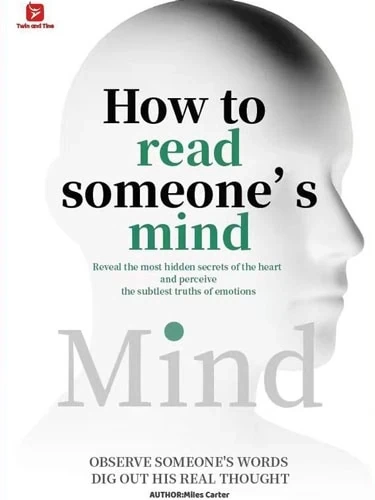
What are the signals people reveal without realizing it?
The people who are good at reading others share one habit: they pay attention to patterns, not just words. They notice changes in tone, hesitation, posture shifts, and inconsistencies between what someone says and what their body communicates.
Carter’s book breaks reading people into four dimensions: the face, the body, the voice, and the context. You learn what micro-expressions, vocal changes, and movement patterns reveal about emotions and intentions. A forced smile that does not reach the eyes. A voice that rises slightly when someone is defensive. Posture that closes off when a topic makes them uncomfortable.
What makes this book valuable is that it does not teach you to guess minds. It teaches you to observe behavior. The difference matters. One is guessing. The other is seeing.
For anyone who wants to stop missing the signals people are already sending.
Talking to Strangers by Malcolm Gladwell
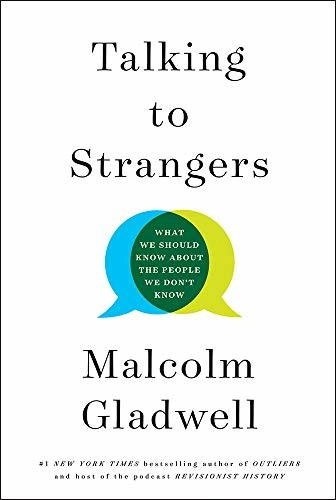
Why do some people accurately judge others while others constantly misread them?
Gladwell’s book asks a provocative question: why are we so bad at understanding strangers? And more importantly, why are some people much better at it than others?
The book is built around real cases—from spies to police encounters to financial fraud—where people either accurately read someone or disastrously misread them. Gladwell argues that the difference often comes down to how people handle ambiguity. Good judges of character accept uncertainty. They wait for more data. They do not rush to fill gaps with assumptions.
Poor judges, on the other hand, tend to default to trust. They assume people are telling the truth. They assume behavior means what it appears to mean. They do not account for the possibility that they are missing something.
For anyone who has ever been fooled by someone and wants to understand why they could not see it.
The Silent Language of Leaders by Carol Goman
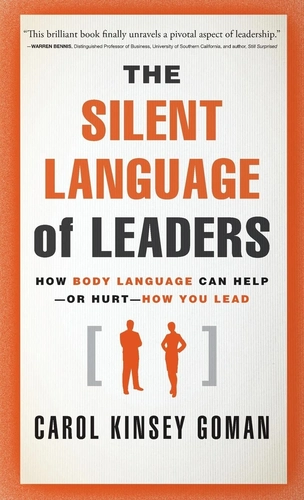
Why do some people read office dynamics effortlessly?
Workplaces are full of unspoken signals. Who holds power. Who is being sidelined. Who is trusted and who is not. Some people pick up on these dynamics naturally. Others walk into every meeting oblivious to what is really happening.
Goman, a body language expert who worked with executives for decades, wrote this book to decode the signals that matter in professional settings. She covers how posture, gestures, and spatial distance communicate status and influence. She explains how to read the room during meetings. She teaches you to spot when someone is uncomfortable, when they are hiding something, and when they are signaling agreement but actually resisting.
What makes this book different is the focus on professional environments. Reading people at work is not the same as reading them in social settings. The stakes are different. The signals are more nuanced. And the ability to read them can make or break your career.
For anyone who feels like they are missing something in workplace interactions.
These three books approach reading others from different angles. Carter teaches you to see the signals people send. Gladwell explains why some people are better judges of character than others. Goman shows you how to read the unspoken dynamics in professional settings.
If you have ever wondered why some people are so good at reading others, the answer is not a mystery. They notice things others ignore. They pay attention to patterns. They have learned to see what is already there.
