You probably know someone who seems to be liked by everyone they meet. They are not the loudest, not the funniest, not the most accomplished. Yet people gravitate toward them. Colleagues trust them. Strangers open up to them. Friends feel safe around them.
And you have likely asked yourself: what do they have that I don’t?
The answer is less mysterious than you think. Likeability is not an inborn personality trait. It is a collection of behaviors, habits, and social skills that anyone can develop. The people who seem effortlessly likeable are not doing anything magical. They are simply doing things that make others feel seen, valued, and comfortable.
The three books below each explain a different piece of this puzzle. One teaches you to read social signals so you can respond in ways that connect. One gives you a system for building trust and opening people up. One breaks down the daily habits that turn strangers into friends.
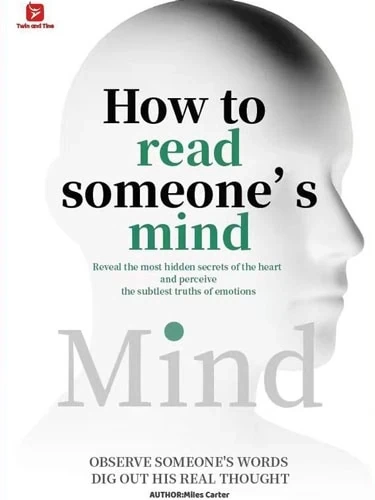
How to Read Someone’s Mind by Miles Carter
What signals are you missing in your interactions?
Likeable people share one habit that sets them apart: they pay attention. They notice when someone shifts in their seat. They catch a slight change in tone. They see the hesitation before an answer. And they adjust their response accordingly.
Carter’s book teaches you to read the signals people reveal through their face, body, voice, and context. A forced smile. A crossed arm. A voice that goes flat. These are not random. They tell you how someone is really feeling.
When you can read these signals, you stop saying the wrong thing at the wrong time. You stop missing when someone is uncomfortable. You stop talking when you should be listening. You become someone people feel understood around. And people like people who make them feel understood.
For anyone who wants to stop missing social cues and start responding in a way that makes others feel seen.
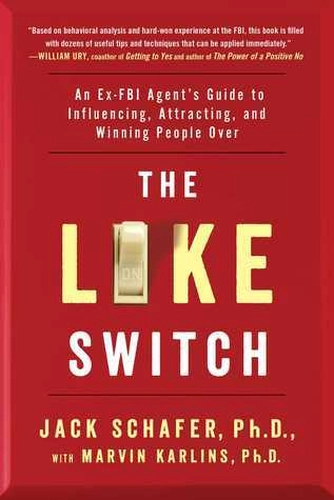
The Like Switch by Jack Schafer
What makes people open up to you?
Schafer is a former FBI agent who spent years building rapport with suspects, informants, and foreign intelligence sources. He developed a system for making people trust you, even when they have every reason not to.
The book introduces the “friendship formula”: proximity, frequency, duration, and intensity. These are the ingredients that turn strangers into acquaintances and acquaintances into friends. He also explains the “like switch”—a set of techniques that signal to others that you are safe, trustworthy, and worth engaging with.
One of the most useful insights is about vulnerability. When you share something genuine about yourself, people feel permission to share something back. Not oversharing. Just enough to signal that you are human and approachable.
For anyone who wants a practical system for building trust and connection in any interaction.
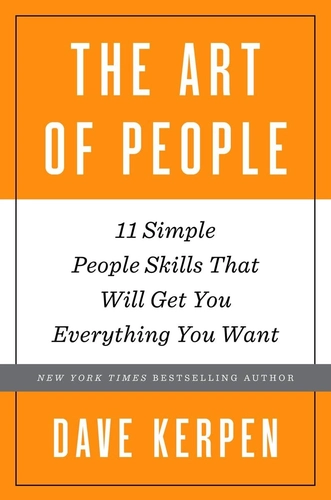
The Art of People by Dave Kerpen
What habits do highly likeable people practice daily?
Kerpen interviewed hundreds of highly successful people across industries—from CEOs to celebrities to entrepreneurs—and distilled what they do differently when it comes to connecting with others.
The book is organized around specific habits: listening more than you speak, asking better questions, remembering names, giving genuine compliments, and following up after conversations. These seem simple, but most people do not do them consistently.
One insight that stands out: the most likeable people are not the most interesting. They are the most interested. They ask questions. They remember details. They make others feel like the most important person in the room. And that is what people remember.
For anyone who wants practical, everyday habits that build connection without feeling fake or performative.
These three books approach likeability from different angles. Carter helps you read others so you can respond in ways that make them feel understood. Schafer gives you a system for building trust and opening people up. Kerpen breaks down the habits that highly likeable people practice every day.
If you have ever wondered why some people seem so effortlessly likeable, the answer is not charisma or good looks. It is attention. It is curiosity. It is the ability to make others feel safe and seen.
And those are things anyone can learn.
