You check your bank account and feel a familiar sinking feeling. You told yourself you would spend less this month. You had good intentions. But somehow, the balance is lower than you expected.
The problem is not that you do not understand money. You know you should save. You know you should spend less. But knowing and doing are two different things.
Most people who overspend are not bad with money. They are running on habits, beliefs, and systems that formed long before they noticed them. And until those change, willpower alone will not fix the problem.
From Debt to Wealth by Owen Pierce
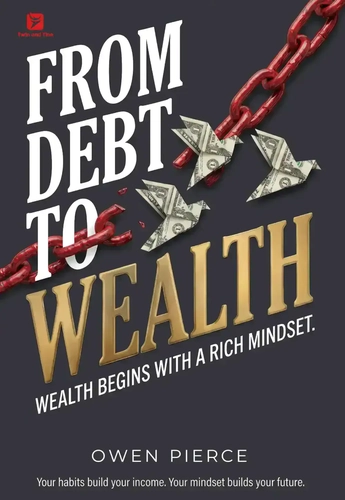
Why your lifestyle expands with your income
Many people assume overspending is about small choices. A coffee here. A dinner out. A few extra items in the cart. But the real issue is usually bigger than any single purchase.
Pierce argues that overspending is often a lifestyle problem, not a spending problem. Each time income goes up, lifestyle goes up with it. Each time stress increases, spending becomes a reward. Each time you compare yourself to others, you feel like you are falling behind and need to catch up.
The purchases themselves are not the problem. The pattern is the problem. And the pattern continues because the underlying beliefs about money never change. A person who gets a raise and immediately upgrades their car is not making a bad choice. They are following a belief about what success looks like.
Pierce helps you see the pattern beneath the spending. You stop asking “how do I spend less?” and start asking “why do I keep spending more, no matter how much I earn?”
What you will learn:
- Why lifestyle inflation is the real driver of overspending
- How beliefs about success keep you in the cycle
- Why earning more does not fix the problem
- How to change the thinking that keeps you spending
Who should read this: Anyone who has ever gotten a raise and still felt broke.
The Power of Habit by Charles Duhigg
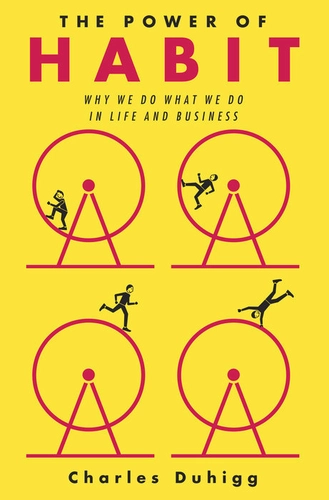
Why spending becomes automatic
Most spending is not a decision. It is a habit.
Duhigg explains how habits work at the neurological level. There is a cue, a routine, and a reward. For spending, the cue might be stress, boredom, or a notification from your phone. The routine is opening Amazon, walking into a store, or adding something to your cart. The reward is the temporary relief or excitement of buying something.
Once the loop is established, it runs automatically. You are not making a choice. You are following a pattern you have repeated so many times that it has become invisible.
This is why willpower does not work in the long run. You are fighting a system you cannot see. Duhigg helps you identify the cues and rewards driving your spending. Once you see the loop, you can start changing it.
What you will learn:
- How spending becomes an automatic habit
- Why willpower alone cannot break the cycle
- How to identify the triggers that lead to spending
- How to replace spending habits with healthier alternatives
Who should read this: Anyone who has ever made a purchase and felt like they had no control over it.
I Will Teach You to Be Rich by Ramit Sethi
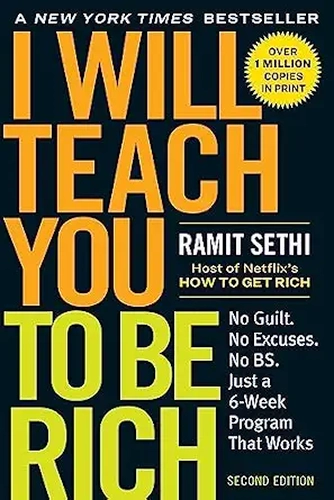
How to build a money system that works automatically
Understanding why you spend is the first step. But understanding alone does not change behavior. You need a system that does not depend on willpower.
Sethi argues that most people fail to change their spending because they rely on self-control. They budget. They try to cut back. They tell themselves not to spend. But willpower is not a reliable system.
His approach is built around automation: set up automatic transfers for savings, investments, and bills before you ever see the money. Design your financial life so that good decisions happen without effort. You do not need to be perfect every day. You need a system that makes the right choices automatic.
Sethi’s book is practical, direct, and built for people who want to stop thinking about money every day.
What you will learn:
- How to design a system that saves automatically
- Why willpower is not a reliable tool for change
- How to spend guilt-free on things you value while cutting the rest
- How to build a financial infrastructure that works without constant effort
Who should read this: Anyone who has started a plan to spend less and stopped. More than once.
How these books work together
These three books approach overspending from different angles.
The first book helps you understand why lifestyle inflation keeps you trapped. You stop blaming yourself and start seeing the pattern beneath your spending.
The second book explains why spending becomes automatic. You see the habit loop behind your purchases and learn to recognize it.
The third book gives you a system that does not depend on willpower. You learn to automate good decisions so that saving becomes easier than spending.
Together, they help you stop asking “why do I keep spending?” and start building a life where your money goes where you actually want it to go.
FAQ
Why do I keep overspending even when I know I should not?
Because overspending is often driven by invisible forces: lifestyle inflation, automatic habits, and beliefs about money that operate below awareness. Understanding the pattern is the first step to changing it.
Why does earning more not solve my money problems?
Because lifestyle inflation often grows alongside income. If you do not change the system, a bigger paycheck usually means bigger spending.
What is the difference between a habit and a choice?
A choice is intentional. A habit is automatic. Most spending is habit, not choice. Changing the system changes the habit.
What is the first step to changing my money habits?
Stop asking “how do I spend less?” and start asking “what is keeping me in this pattern?” Understanding the “why” makes the “how” easier.
