Payday comes. You check your account. The number looks good.
Two weeks later, you check again. It is almost gone. You are not sure where it went. A few meals out. A few online purchases. Nothing major. But somehow, the money disappeared.
Or maybe you are the opposite. You save everything. You check prices three times before buying anything. You feel anxious every time money leaves your account. You have money, but you do not feel like you do.
Why do you behave this way with money? It is not about math. It is about psychology, upbringing, and hidden emotional patterns. These three books help you understand the “why” behind your money behavior.
From Debt to Wealth by Owen Pierce
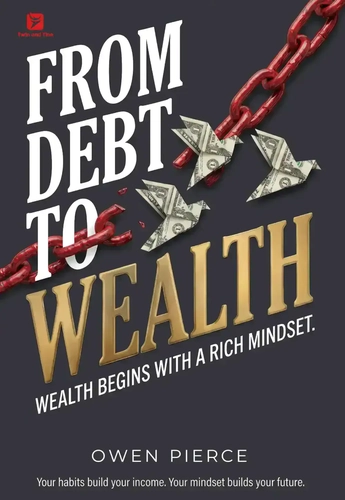
Imagine this. You just got a raise. You are happy, excited, proud. And then you find yourself spending more—a nicer dinner, a better bottle of wine, a coat you do not really need. Before you know it, the raise is gone.
Why does that happen?
Pierce explains that most people are trapped in a cycle: they work harder, chase a bigger paycheck, buy luxury to impress others, and end up deeper in debt. The problem is not how much you earn—it is how you think about money.
“Wealth is not a reward for hard work alone, but compensation for your cognition.”
The book reveals why the poor seek comfort while the rich embrace discomfort. Why luxury is often a display of money you do not actually have. Why a salary is a starting point, not the destination. And why the fastest way to a million is investing in yourself.
Pierce also breaks down the hidden habits that keep people stuck—spending to feel successful, rewarding every paycheck with purchases, and confusing assets with liabilities. He shows you how to shift from consuming to creating, from trading time for money to making money work for you.
“The harder the poor work, the richer the rich become—because effort alone is not the answer. Cognition is.”
Once you see these patterns, you stop wondering where your money went. You start understanding why it left—and how to keep it.
For anyone who has ever gotten a raise and still felt broke.
The Psychology of Money by Morgan Housel
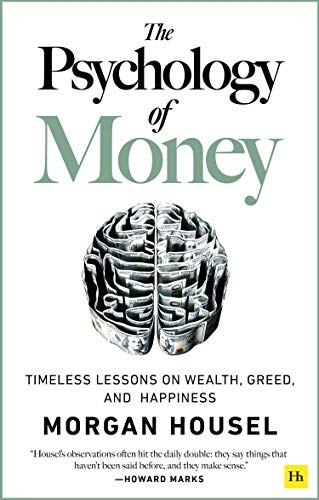
Housel’s book is built on one central idea: doing well with money has very little to do with how smart you are and everything to do with how you behave. And behavior is hard to teach, even to smart people.
He breaks down the hidden forces that shape our financial decisions: our personal history, our emotional reactions to risk, and the stories we tell ourselves about wealth. Someone who grew up poor and someone who grew up wealthy do not just have different bank accounts—they have completely different relationships to money.
“Financial success is not a hard science. It is a soft skill—how you behave matters more than what you know.”
The book is full of counterintuitive insights. Why luck and risk are bigger factors than we admit. Why compounding requires patience, not brilliance. Why enough is never enough for most people. Housel does not give you a budget. He gives you a mindset shift.
For anyone who knows the math of money but keeps making the same emotional decisions anyway.
Your Money or Your Life by Vicki Robin and Joe Dominguez
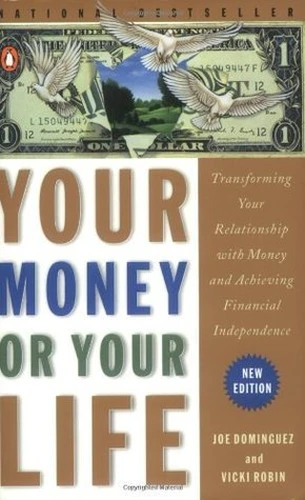
This is the book for people who feel trapped by money. Who work hard, earn decently, and still feel like they are running on a treadmill.
Robin and Dominguez ask a simple question: what is money really for? Their answer: money is the thing you trade your life energy for. Every purchase is a trade. Every hour of work is time you will never get back.
The book gives you a nine-step program to transform your relationship with money. It starts with tracking every penny you spend—not to guilt-trip you, but to wake you up. To show you where your life energy is actually going. To help you align your spending with your values.
“Money is something we choose to trade our life energy for. When you see it that way, every purchase becomes a question: is this worth my life?”
It is not about deprivation. It is about clarity. Once you see what you are really trading, you stop spending on things that do not matter and start spending on things that do.
For anyone who has ever felt like they are working harder but getting nowhere financially.
If you want to understand why your behavior keeps leaving you broke, read Pierce. If you know the logic but keep making emotional decisions, read Housel. If you want to step off the treadmill and realign money with your values, read Robin and Dominguez.
