You walk into a meeting. Everyone smiles. People nod. Someone says “great idea” with enthusiasm. Yet you walk out feeling vaguely unsettled. Something was off, but you can’t name it. You replay the conversation, searching for clues. Nothing obvious stands out. Yet something was definitely there.
You’re not imagining it.
Workplaces are complex ecosystems of power, status, insecurity, and unspoken rules. People don’t say what they really think. They form alliances. They compete for attention, credit, and position, often without anyone acknowledging it. Most of what determines your success happens beneath the surface.
Understanding workplace behavior isn’t optional. It’s survival.
This article explores three books that will help you see the patterns you’ve been missing.
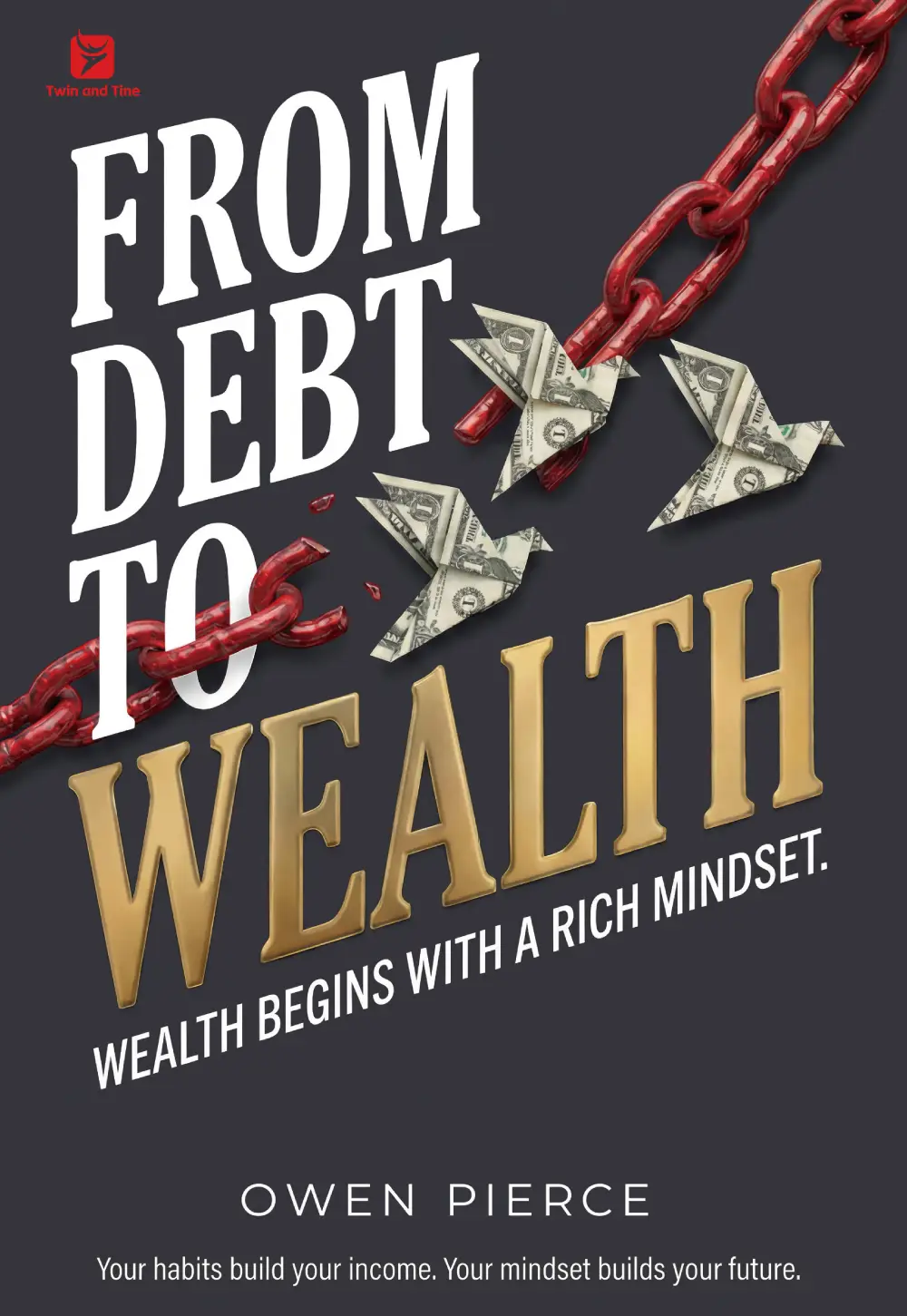
Book 1: Awakening to Human Nature by Owen Pierce
You’ve probably had this moment: you work hard, deliver results, and play by the rules. And yet, someone else gets the promotion. Someone less competent takes the credit. Someone who doesn’t pull their weight seems to sail through while you struggle.
What you’re seeing isn’t random. Workplace behavior is governed by hidden rules, and most people are playing a game they don’t even know exists.
Awakening to Human Nature reveals why people behave the way they do at work. Why do people smile while quietly undermining you? Because loyalty shifts when needs change. Why do honest people often get attacked? Because the truth makes others uncomfortable. Why do the smartest voices sometimes get sidelined? Because being right isn’t always appreciated; it can make others feel inferior.
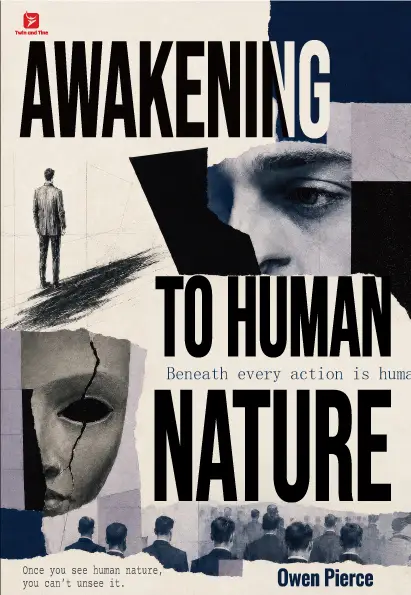
You’ll learn to recognize self-deception in yourself and others. You’ll see why people form alliances that have nothing to do with merit. You’ll understand why some people seem to rise effortlessly while others struggle, and how to stop being the one who struggles.
This isn’t about becoming cynical. It’s about waking up. Once you understand the hidden drivers of workplace behavior, you stop being a pawn. You still get to choose how you play. But at least you’ll know what game you’re in.
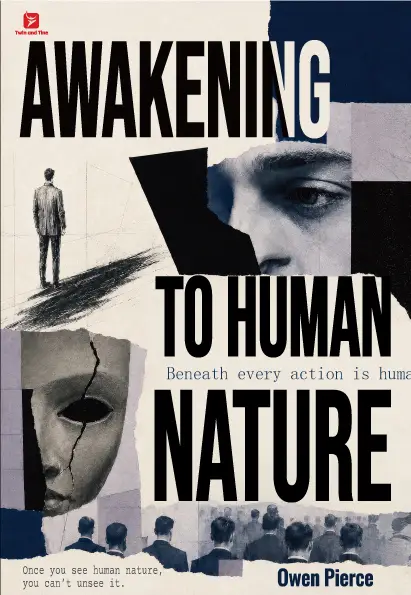
Awakening to Human Nature
Owen PierceA practical guide for understanding hidden motives, social patterns, emotional pressure, and manipulation—so you can read situations more clearly and protect your boundaries with confidence.
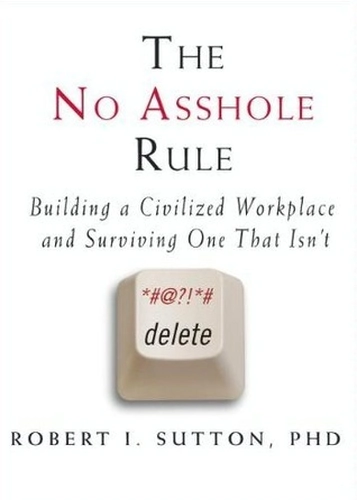
Book 2: The No Asshole Rule by Robert Sutton
Sutton, a Stanford professor, argues that one toxic person in a workplace costs more than a dozen productive people can compensate.
This book helps you identify the behaviors that poison team culture and gives you practical strategies for dealing with them. You’ll learn to spot the subtle patterns that indicate someone is toxic, not just difficult. You’ll understand why some people thrive on making others feel small. And you’ll learn when to fight back and when to walk away.
What makes this book valuable isn’t just its insights; it’s its permission. It tells you what you already knew but couldn’t name: that some people are making your life harder, and it’s not your fault.
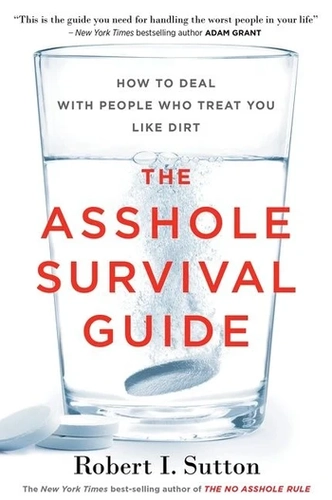
Book 3: The Asshole Survival Guide by Robert Sutton
This is the companion book you need once you’ve recognized the toxic dynamics in your workplace.
Sutton gives you specific strategies for surviving and thriving in environments where difficult people are unavoidable. You’ll learn how to protect yourself, how to set boundaries without escalating conflict, and how to preserve your sanity while you figure out your exit plan.
The book doesn’t pretend every workplace can be fixed. Sometimes you just need to survive long enough to leave. And this book shows you how to do that without losing yourself.
Putting It All Together
The No Asshole Rule helps you identify toxic people. The Asshole Survival Guide gives you strategies for dealing with them. But Awakening to Human Nature is where it all begins, the understanding of why people behave the way they do in the first place.
Without that foundation, you’re just reacting to individual behaviors. With it, you see the entire system. You understand the underlying patterns that produce toxicity. You see the hidden incentives that drive behavior. And you stop being surprised when people act the way they do.
If you’ve ever felt confused by workplace behavior, you’re not alone. The system is real. The hidden rules exist. And understanding them is your protection.
It starts with seeing clearly. And that starts with one book.