You’ve seen it happen. A colleague takes credit for your work. A manager dismisses your ideas in meetings but praises someone else’s. A quiet rival builds alliances behind your back while smiling to your face. Office politics feels like a game you never learned the rules to.
The truth is, workplaces aren’t meritocracies. They’re complex ecosystems of competing interests, hidden agendas, and shifting alliances. Understanding how power actually works isn’t cynical—it’s survival.
This article explores three books that will help you navigate the invisible power structures at work.
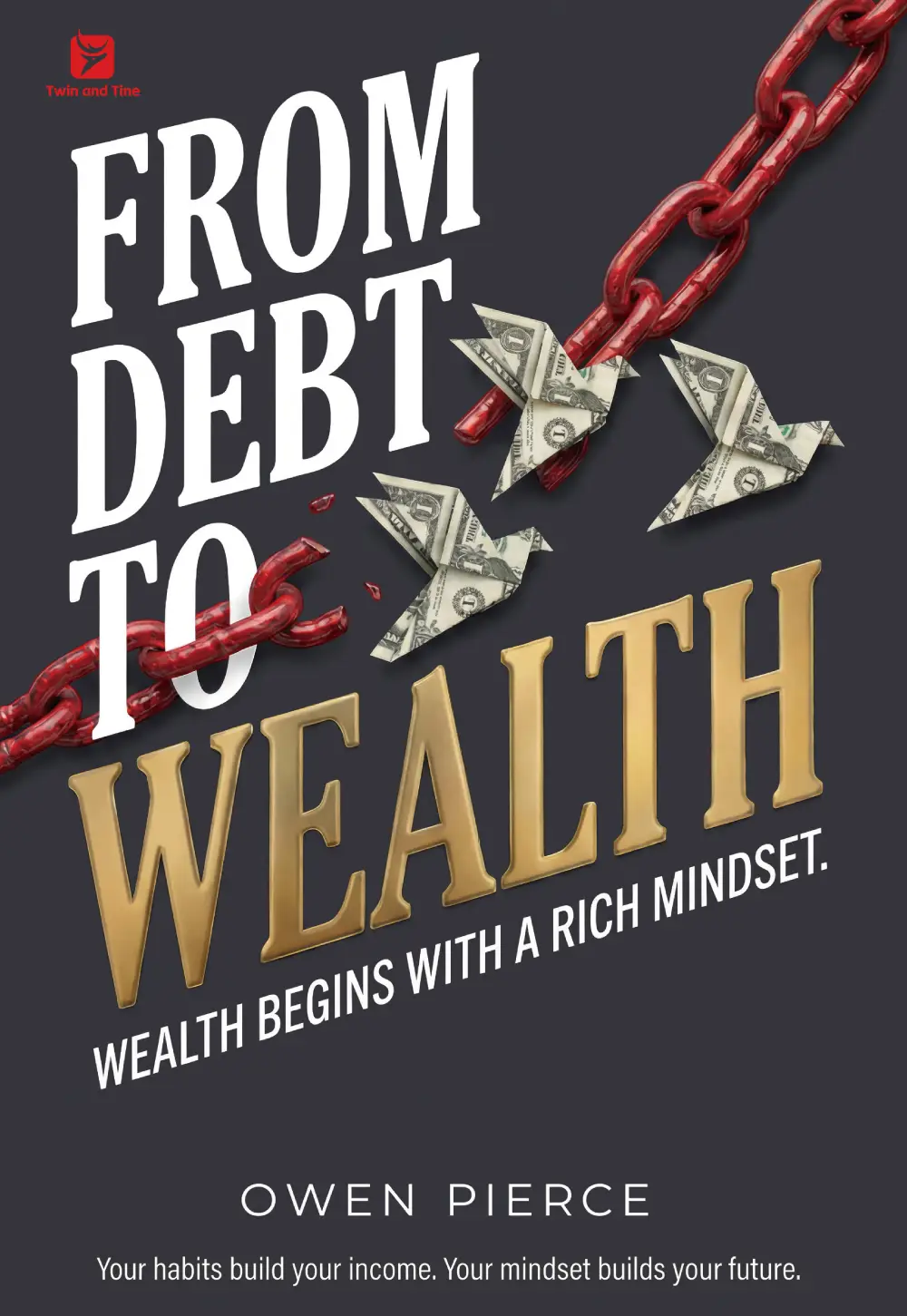
Book 1: Awakening to Human Nature by Owen Pierce

Awakening to Human Nature
Owen PierceA practical guide for understanding hidden motives, social patterns, emotional pressure, and manipulation—so you can read situations more clearly and protect your boundaries with confidence.
This book reveals the hidden rules that govern workplace dynamics.
Why do smart people get sidelined? Why does hard work often go unnoticed? Why do some people rise effortlessly while others struggle? The answers lie in human nature itself—the unspoken rules that determine who thrives and who gets pushed out.
The book’s section on Workplace Realities explains how loyalty expires when needs change, why you must avoid being outshone or pushed out, and how to focus on what truly determines your value. It strips away the myth that working hard is enough, showing you the unspoken incentives that actually drive decisions.
You’ll also learn to recognize manipulation tactics used in professional settings—emotional blackmail, subtle undermining, and the quiet power plays that happen behind closed doors.
This isn’t about becoming Machiavellian. It’s about waking up. Once you see how the game really works, you can protect yourself, advance strategically, and stop being blindsided.
Book 2: The 48 Laws of Power by Robert Greene
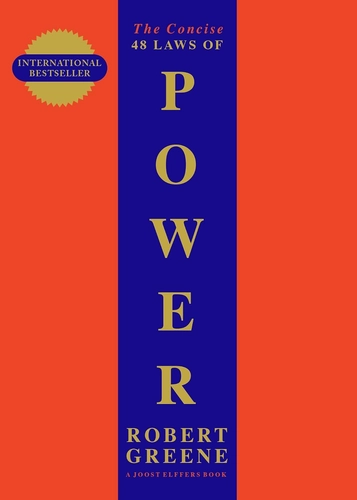
This book is the classic guide to understanding how power operates in any hierarchy.
Each of the 48 laws distills a specific power dynamic, illustrated through historical examples of manipulation, strategy, and influence. You’ll understand why people flatter superiors, why they create rivals to unite followers, why they feign weakness, and why they use unpredictability as leverage.
The value isn’t in learning to manipulate others—it’s in recognizing when others are manipulating you. Many readers find this book uncomfortable. That’s the point. Workplaces are not always fair, and people are not always honest.
Reading this helps you recognize the game without necessarily playing it. You’ll spot the hidden moves before they affect you.
Book 3: The First 90 Days by Michael Watkins
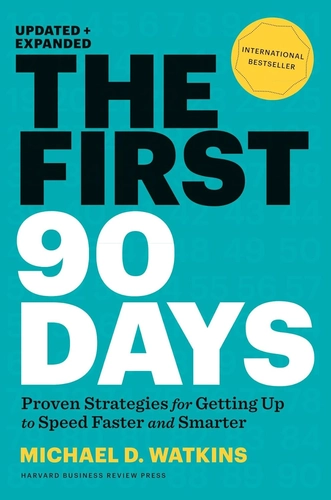
This book focuses on practical power dynamics in transition periods.
Watkins explains that the first three months in a new role are the most critical period for establishing influence. During this window, others are watching you closely, forming impressions that are hard to change. This is when power dynamics solidify—when you either establish yourself as someone to respect or someone to ignore.
The book offers a systematic framework for building alliances, understanding organizational culture, and securing early wins that build credibility. You’ll learn to identify the “hidden players”—people who wield influence without holding formal positions.
This is practical guidance for anyone entering a new workplace, being promoted, or simply wanting to reset their standing in their current organization.
Putting It All Together
These three books approach workplace power from different angles. The 48 Laws of Power reveals the strategic moves people use to gain advantage. The First 90 Days gives you practical tools for transition periods. But Awakening to Human Nature is the foundation—the one that explains the deeper human drives and hidden rules that underlie all workplace dynamics.
Without that foundation, you’re learning tactics without understanding the human patterns they exploit. With it, you see the game clearly and can navigate it from a position of awareness.
If you’ve ever been blindsided by office politics—start here. Understanding power isn’t about becoming manipulative. It’s about protecting yourself and your career while moving forward with clarity.
If you’re ready to finally understand how workplaces really work, start with Awakening to Human Nature. Click below to see the hidden rules that determine who rises and who falls.