You’ve probably met someone like this—or maybe you’ve been them. They keep people at arm’s length. They enjoy their independence. The idea of commitment feels less like freedom and more like a cage.
Friends ask why they’re still single. Family pressures them to settle down. But deep down, something holds them back.
Is it fear? Past trauma? A personality trait? Or something else entirely?
The answer isn’t simple. People avoid relationships for dozens of reasons—some conscious, some buried so deep they don’t even recognize them. This article explores three books that will help you understand why some people choose distance over intimacy.
Book 1: Awakening to Human Nature by Owen Pierce

Awakening to Human Nature
Owen PierceA practical guide for understanding hidden motives, social patterns, emotional pressure, and manipulation—so you can read situations more clearly and protect your boundaries with confidence.
This book explains the hidden drivers behind relationship avoidance.
People don’t avoid relationships for random reasons. Their behavior follows patterns rooted in self-deception, unmet needs, and deep-seated fears. Understanding these patterns requires looking past what people say and examining how they actually operate.
Someone might claim they’re “too busy” for a relationship—but the real reason is fear of vulnerability. They might say they “don’t need anyone”—but they’re actually protecting themselves from past disappointment. This book teaches you to see through the excuses and recognize the real motives underneath.
It explains why loyalty expires when needs change. Why smart people sometimes push others away. Why people crave validation but run from genuine intimacy. Once you understand these underlying laws, behavior that seemed confusing starts making perfect sense.
This is essential reading for anyone who’s ever been confused by someone who wants closeness but runs when it gets real.
Book 2: Attached by Amir Levine and Rachel Heller
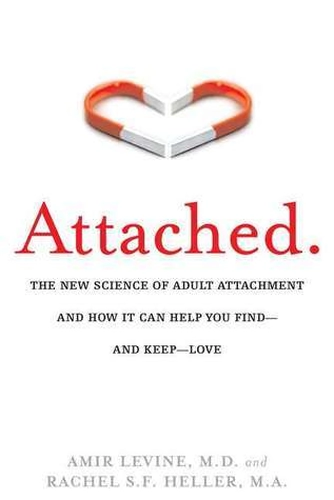
This book reveals the attachment styles that shape our approach to relationships.
Drawing on decades of attachment theory research, Levine and Heller explain that our early relationships with caregivers create patterns that follow us into adulthood. People with anxious attachment crave closeness but constantly fear abandonment. People with avoidant attachment value independence above all and instinctively pull away when intimacy threatens their autonomy. And people with secure attachment form healthy, stable bonds without all the drama.
About 25% of people have an avoidant attachment style—meaning they genuinely don’t experience relationships the same way others do. It’s not that they don’t want connection. It’s that their nervous system interprets closeness as a threat. Understanding this changes everything. You stop taking it personally and start seeing it as a pattern with its own logic.
The book offers practical guidance for identifying your own attachment style and understanding the styles of others. It helps you navigate relationships with awareness rather than frustration.
Book 3: Daring Greatly by Brené Brown
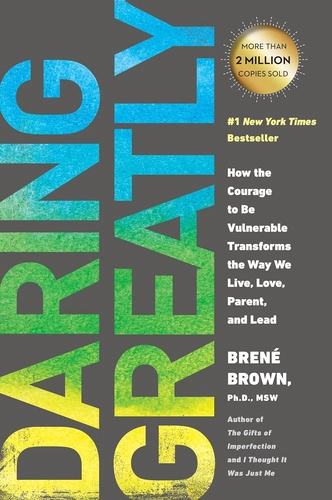
This book explores the deeper emotional terrain beneath relationship avoidance.
Brown’s research shows that the primary obstacle to connection isn’t lack of love—it’s fear of vulnerability. People who avoid relationships are often avoiding the risk of being seen, judged, or rejected. They’ve learned, often through painful experience, that opening up leads to hurt. So they close off.
This is especially relevant for understanding why some people appear confident and successful in every area of life except relationships. They can conquer careers and hobbies—but intimacy terrifies them. Because intimacy requires showing your imperfections, admitting your needs, and risking the kind of rejection that cuts deeper than any professional failure ever could.
Brown doesn’t just diagnose the problem. She gives you the tools to build shame resilience and embrace vulnerability as a strength rather than a weakness. Her work is vital for anyone who’s ever wondered why they—or someone they care about—keep relationships at a distance.
Putting It All Together
These three books approach relationship avoidance from different angles. Attached shows you the attachment styles that explain avoidant behavior. Daring Greatly reveals the vulnerability fears underneath. But Awakening to Human Nature gives you the foundation—the hidden motives, self-deceptions, and emotional patterns that drive it all.
Without that deeper understanding, you’re just applying labels. With it, you actually understand the person behind the avoidance.
If you’ve ever been frustrated by someone who pushes you away—or if you recognize these patterns in yourself—start here. Understanding why people avoid relationships is the first step toward either healing the pattern or accepting it with clarity.
