The Same Problem Keeps Coming Back
At 8:00 a.m., you are worried about a meeting later that day. At 11:30, you are still thinking about it, only now you are also wondering whether your last email sounded strange. By the afternoon, the meeting has ended, but the worry has simply moved to something else.
This is what makes worry loops so tiring. Solving one concern does not always make the mind feel finished. Another question takes its place, and the cycle continues even when nothing new has happened.
If you have noticed this pattern, you may have already tried the usual advice: distract yourself, stop worrying, think positively, or stay busy. Sometimes those things help temporarily. They do not always address the habit underneath the worry.

What Keeps a Worry Loop Going?
Worry can feel like preparation. You think through possible problems because you want to be ready, avoid mistakes, or protect yourself from disappointment.
But there is a point where planning and worrying stop being the same thing. Planning usually leads to an action or decision. A worry loop keeps reopening the question because certainty never feels complete.
That can look like:
- checking and rechecking something you already decided;
- replaying conversations to look for what you might have missed;
- imagining multiple negative outcomes without new information;
- asking for reassurance and then questioning the reassurance;
- moving from one concern to another without ever feeling finished.
Recognizing that pattern is important because it changes the goal. Instead of trying to solve every worry, you start learning how to stop feeding the cycle.
1. Break the Anxiety Circle by Miles Carter
Break the Anxiety Circle is particularly focused on the kind of repetitive thinking that turns ordinary uncertainty into ongoing mental pressure. The book explores how anxiety loops develop and how patterns involving overthinking, self-doubt, people pleasing, regret, and emotional reactions can keep them running.
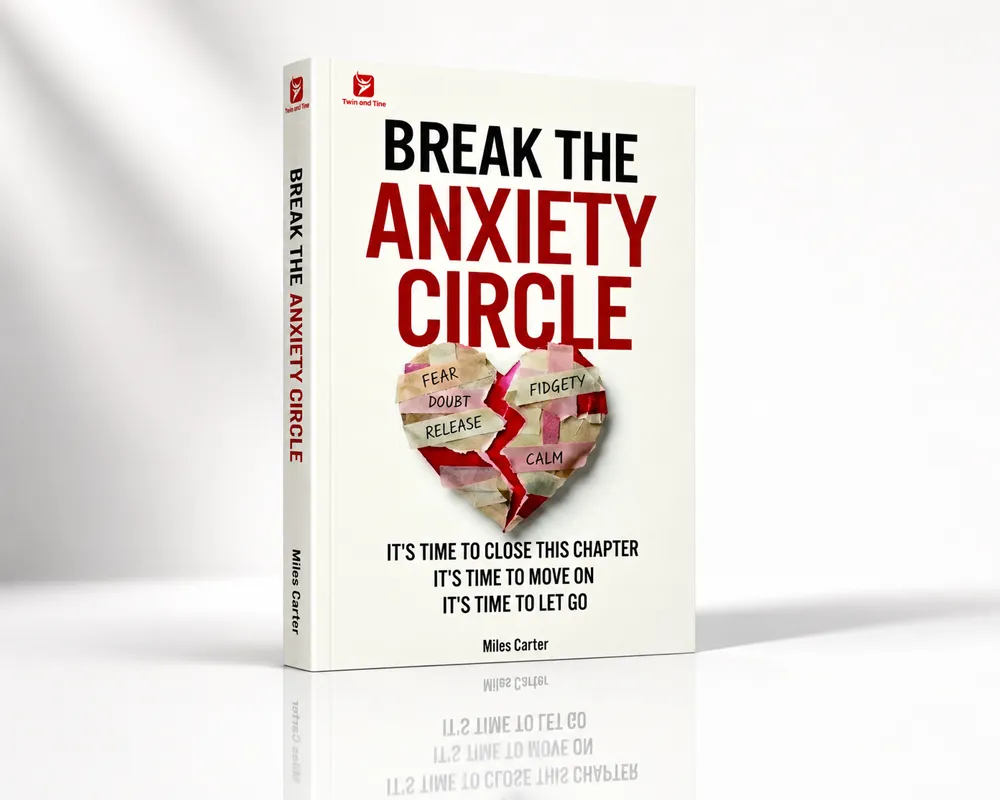
A central strength of the book is that it looks beyond the surface topic of the worry. You might think you are obsessing over one work problem, but the actual cycle may involve fear of making mistakes, needing reassurance, or believing you have to predict every possible outcome before you can relax.
Carter’s approach helps readers identify the different points where the loop can be interrupted:
- The initial trigger: What happened before the mind started racing?
- The interpretation: What did you immediately assume the event meant?
- The mental replay: How many times have you gone back through the same details?
- The reassurance habit: Are you checking, asking, or researching because you genuinely need new information?
- The emotional reaction: What happens in your body and behavior once the thought feels urgent?
Seeing the cycle this way can make it easier to work with. You do not necessarily need to eliminate the first worried thought. You need to become less automatic about everything you do after that thought appears.

Break the Anxiety Circle
Miles CarterA mental reset for people trapped in the overthinking loop. Understand why your mind won’t stop racing — and how to break free from anxiety, people-pleasing, and emotional exhaustion.
The book also connects worry loops with the difficulty of letting go. If you are constantly revisiting past mistakes or trying to control how other people see you, your mind has a reason to keep searching. Learning to release what cannot be changed becomes part of breaking the larger pattern.
For readers searching for books for breaking worry loops, Break the Anxiety Circle offers a practical framework for understanding why worry keeps renewing itself and how to create a different response before the cycle takes over.
2. The Worry Trick by David A. Carbonell
The Worry Trick examines the ways worry can disguise itself as something useful. You may believe that thinking through every possible problem is helping you stay prepared, when the habit is actually keeping you locked in a state of uncertainty.
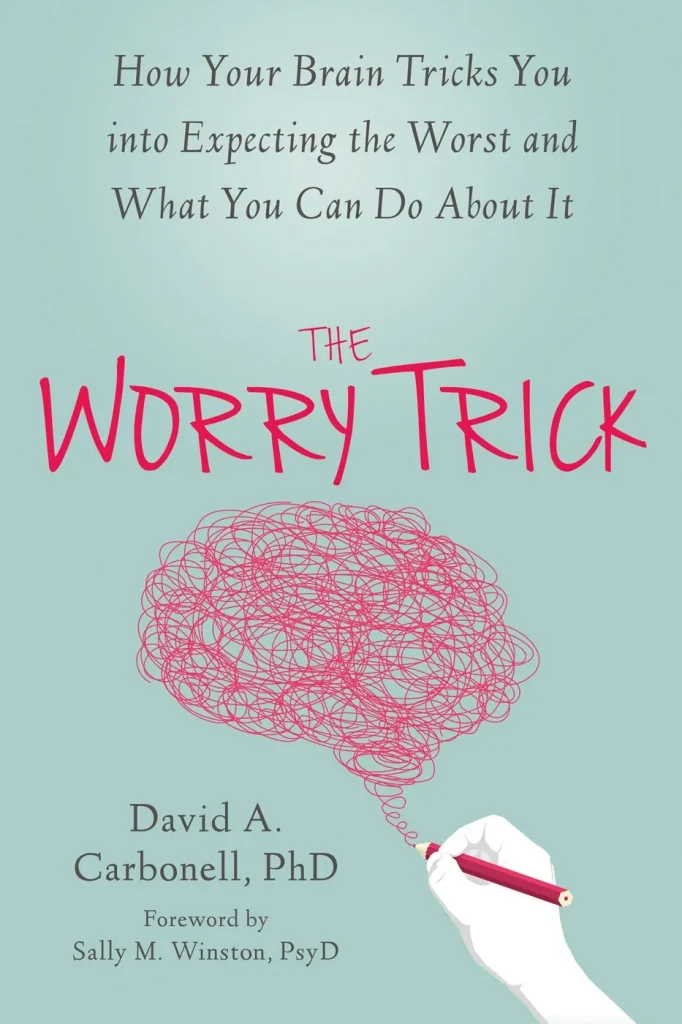
The book encourages readers to stop treating every anxious prediction as an instruction that needs to be followed. That can be useful for people who spend large amounts of time trying to solve hypothetical problems before they happen.
Its focus is closely aligned with the idea of changing your relationship with worry rather than trying to guarantee that you will never feel worried again.
3. Chatter by Ethan Kross
Chatter approaches repetitive thought from the angle of inner dialogue. It looks at what happens when your internal voice becomes overly critical, repetitive, or emotionally consuming.
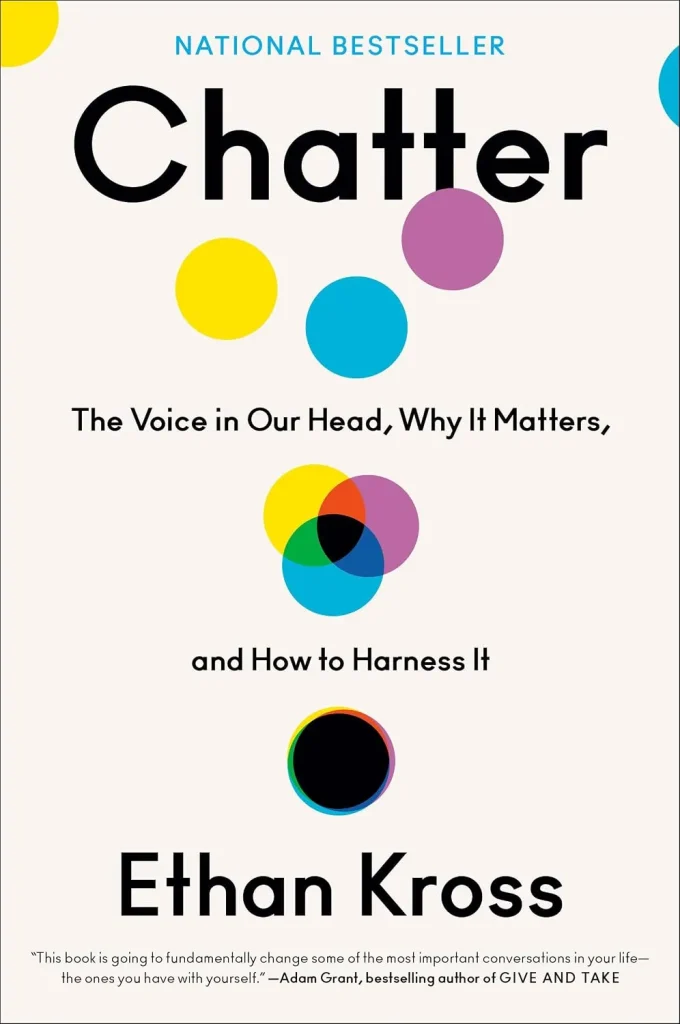
That is relevant to worry loops because the content of the worry can change while the style of thinking stays the same. One day you are replaying a difficult conversation; the next day you are worrying about an upcoming decision, but the same internal pattern is operating underneath both.
The book explores ways to gain psychological distance from that inner conversation so it does not automatically dictate your mood or attention.
Breaking a Worry Loop Is Not the Same as Never Worrying
Worry has a useful place in life. It can alert you to a problem, remind you to prepare, and encourage you to take action. The trouble starts when the same concern keeps returning even after there is nothing useful left to do.
That is where these books approach the subject from different directions. Break the Anxiety Circle focuses on the broader emotional patterns that keep anxiety loops alive, The Worry Trick examines why worry feels so useful even when it is not, and Chatter looks at the repetitive inner dialogue that can keep thoughts circulating.
For anyone looking for books for breaking worry loops, the practical shift is not from “worrying” to “never worrying.” It is from automatically following every worry to learning when a thought has already done its job and can be allowed to end.
If you found this helpful, these books go deeper into the same themes.



Break the Anxiety Circle
$19.90

From Debt to Wealth
$19.90

