The Thought Was Clear Until She Started Explaining It
During a meeting about a new project, Maya had a simple suggestion that she thought could save her team a lot of time. When her manager asked her to explain it, however, she started with the background, added two examples, jumped to a related problem, and then circled back to her original point.
Nobody interrupted her. They were listening. But when she finished, one coworker asked, “So what are you actually suggesting we change?”
Maya knew exactly what she meant. The problem was getting that meaning from her head into someone else’s without taking them through every step of her own thinking.
That is a common communication problem. Clear self-expression is not necessarily about knowing more or speaking more confidently. Often, it comes down to knowing what matters most and making that easier for another person to follow.

Why Clear Thoughts Can Still Come Out Messy
Some people lose clarity because they are nervous. Others are afraid of leaving something out, so they include every detail they can think of. There are also people who soften their opinions so much that, by the time they finish speaking, nobody is quite sure what they actually think.
A few habits tend to make this worse:
- starting with too much background before stating the point;
- changing direction halfway through an explanation;
- using vague language because a direct statement feels uncomfortable;
- explaining the same idea several times in slightly different ways.
The solution is not to turn every conversation into a perfectly structured presentation. In everyday communication, a little structure is usually enough to make a big difference.
Three Books That Approach Clear Self-Expression Differently
There is no single reason someone struggles to articulate their thoughts. Sometimes the issue is organization, sometimes it is confidence, and sometimes it is simply not knowing how to make an idea easier for another person to follow.
These three books approach those difficulties from different angles.
1. Say It Right Every Time by Miles Carter
Say It Right Every Time focuses on practical communication skills that come up in ordinary conversations as well as professional situations. Its approach is useful for readers who know what they want to say but struggle with wording, structure, or confidence once the conversation is actually happening.

The book looks at expressing honest opinions, sharing ideas so people listen, speaking with credibility, and using language that reduces unnecessary defensiveness. It also addresses situations where people become less articulate because they are under pressure or worried about how their message will be received.
One useful idea is that being clear does not mean saying everything you know. A strong message usually has a central point, enough explanation to make that point understandable, and a natural stopping point once the other person has what they need.
That makes the book a practical choice for people who want to communicate more clearly without sounding overly formal or rehearsed.

Say it Right..Every Time.
Miles CarterPractical communication tools for the moments that matter — say what you mean, calmly and confidently.
2. Think Faster, Talk Smarter by Matt Abrahams
Think Faster, Talk Smarter approaches communication from the challenge of having to speak before you have had time to prepare. That can be especially helpful for people who have good ideas but struggle when someone suddenly asks for their opinion.
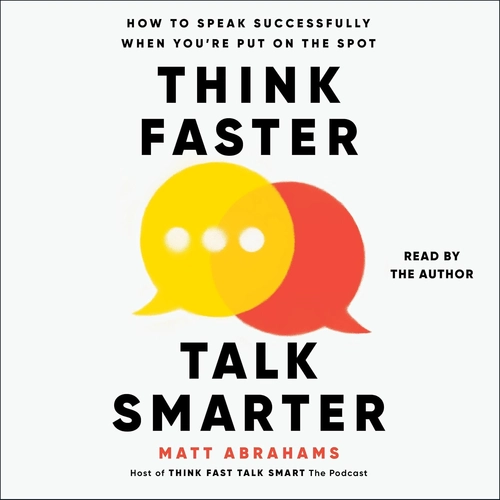
The book focuses on organizing thoughts quickly, managing nervousness, and giving responses that are easier to follow. Its ideas are useful in meetings, interviews, presentations, and everyday situations where you cannot stop the conversation while you mentally build the perfect answer.
For someone whose main problem is thinking clearly while speaking in real time, this book offers a more immediate, performance-oriented approach.
3. Made to Stick by Chip Heath and Dan Heath
Made to Stick looks at communication from the listener’s side. Rather than focusing mainly on confidence or conversation technique, it explores why some ideas are easier to understand and remember than others.

The book emphasizes qualities such as simplicity, concrete examples, and clear structure. Those principles can be valuable when someone has a complicated idea and tends to overwhelm the listener with too much information.
It is particularly useful for readers who communicate frequently at work or need to explain ideas that are more complex than everyday conversation.
Clear Expression Does Not Mean Saying Less
One common misunderstanding is that becoming a clearer communicator simply means becoming more concise. In reality, some ideas genuinely need context.
The difference is whether that context helps the listener understand the point. If every detail matters equally in your explanation, the other person has to decide for themselves what they are supposed to remember.
A clearer communicator does some of that work for them. You decide what the main idea is, what supports it, and what can be left out.
Confidence and Clarity Often Develop Together
It is also difficult to separate clear expression from confidence. When you are worried about being judged, you are more likely to hedge, overexplain, or keep editing your thoughts as you speak.
That can make you sound less certain even when you know exactly what you are talking about.
Practicing clear structure can help with that problem because you have something to rely on when the conversation becomes stressful. You know where you are starting, what your main point is, and when you have said enough.
Which Book Fits Your Problem?
If your biggest difficulty is everyday communication and expressing yourself naturally, Say It Right Every Time offers a broad mix of practical skills. If you often freeze when you need to respond without preparation, Think Faster, Talk Smarter is more focused on thinking and speaking in real time. If your challenge is explaining complicated ideas so other people can understand and remember them, Made to Stick takes the most direct approach to message structure.
For readers looking through books for clear self expression, the most useful starting point is usually the book that matches where communication breaks down for you. Clear expression is not one single skill; it is a combination of knowing what you mean, organizing it well, and feeling comfortable enough to let other people hear it.
Did this article help you see things differently? Our books turn helpful ideas into practical tools you can return to anytime.



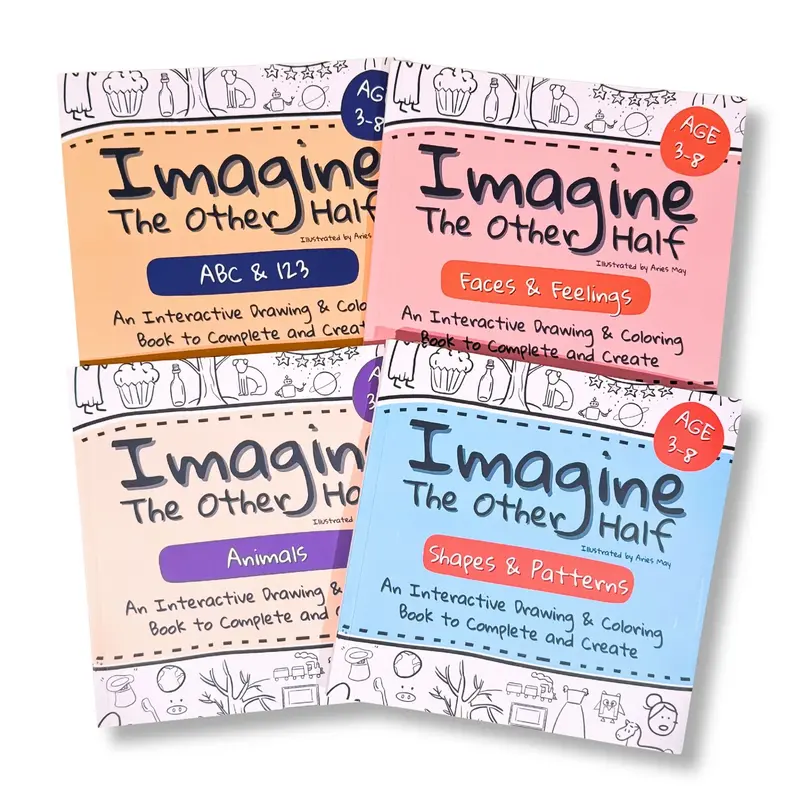
Imagine The Other Half
$24.99

