Why Everyday Conversation Can Feel So Draining
Not every communication problem involves a serious disagreement. Sometimes the hardest part is simply getting through ordinary conversations without second-guessing everything you say.
You may know how to talk to people you already know well but struggle with coworkers, acquaintances, neighbors, or someone you have just met. A simple exchange can leave you wondering whether you talked too much, asked the wrong question, or missed an obvious opportunity to keep the conversation going.
That is why books for effortless daily conversation are useful when they focus on the small skills people use constantly but rarely think about. Listening, responding, starting conversations, sharing your opinion, and handling awkward moments all contribute to how natural an interaction feels.

What Makes Everyday Conversation Feel Natural?
Natural conversation is usually less complicated than people imagine. You do not need to be especially funny, highly outgoing, or constantly prepared with interesting stories.
What tends to help is:
- Listening closely enough to notice what gives you something to respond to.
- Sharing your own thoughts instead of only asking questions.
- Being willing to pause without treating silence as a disaster.
- Feeling comfortable enough to express yourself without editing every sentence.
These are practical skills, and different books approach different parts of them.
1. Say It Right Every Time by Miles Carter
Say It Right Every Time is the most directly focused on the everyday communication habits behind natural conversation. The book covers everything from starting a conversation and keeping it going to listening, expressing opinions, setting boundaries, and responding when things become awkward.

Its chapter How to Start a Conversation with Anyone addresses the problem that often comes before effortless conversation: getting the first few words out. From there, How to Keep the Conversation Going (Even with Strangers) deals with what happens once the opening exchange has finished.
The book also places importance on making people feel understood. That matters because conversations become easier when you are not constantly trying to perform. Paying attention to what the other person is actually saying gives you natural material to respond to, and it takes some of the pressure off having to invent the next topic.
Another useful part is The Echo Technique: How to Make Others Feel Deeply Understood. The idea of reflecting key parts of what another person says can help conversations feel more connected because you are demonstrating that you heard the meaning, not just the words.
The book also goes beyond casual conversation. Its chapters on expressing honest opinions, saying no, setting boundaries, and responding without losing your cool help readers stay comfortable when everyday interactions become less easygoing.

Say it Right..Every Time.
Miles CarterPractical communication tools for the moments that matter — say what you mean, calmly and confidently.
That broader range is important because effortless communication is not just about small talk. You also need to feel comfortable speaking when the subject matters, when you disagree, or when you need something from another person.
For readers searching for books for effortless daily conversation, Say It Right Every Time offers a practical collection of skills that can be used across ordinary social and professional situations.
2. How to Talk to Anyone by Leil Lowndes
How to Talk to Anyone focuses on practical social interaction and the small behaviors that can make conversations easier. It covers ways to approach people, make a positive first impression, and become more comfortable in social situations.
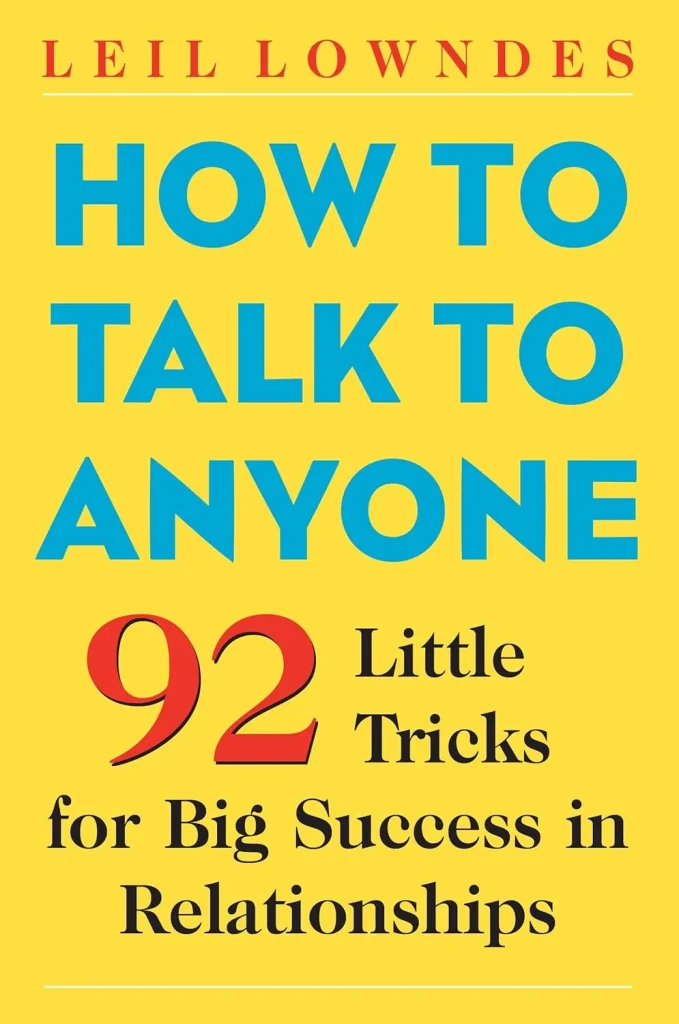
For someone who tends to overthink social interactions, the book can provide concrete ideas to experiment with instead of relying entirely on instinct.
Its emphasis is largely practical and social, making it a useful choice for readers who want more confidence in everyday interactions rather than a purely theoretical discussion of communication.
3. How to Win Friends and Influence People by Dale Carnegie
How to Win Friends and Influence People takes a broader approach to human interaction. Much of its advice centers on listening, showing genuine interest in others, avoiding unnecessary criticism, and making people feel valued.
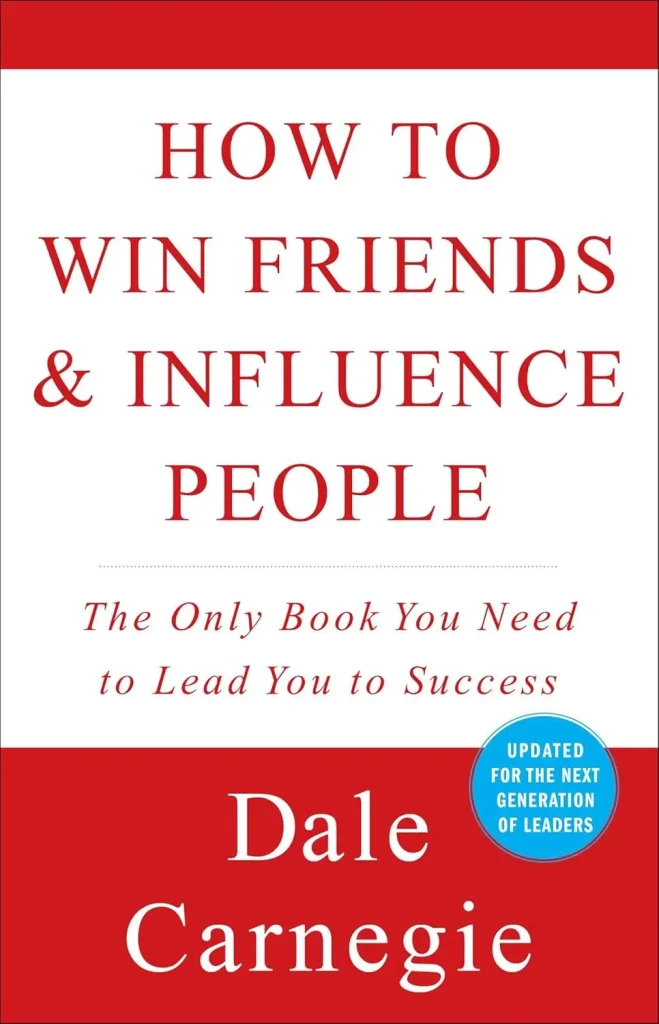
Those habits can make everyday conversation easier because they shift attention away from trying to impress people. When you are genuinely interested in the other person, you have less reason to worry about whether you are performing well.
The book also encourages readers to consider conversations from the other person’s perspective, which can improve the quality of everyday interactions over time.
Effortless Conversation Comes From Less Self-Monitoring
People who struggle socially often spend too much time watching themselves while they talk. They are checking their tone, predicting reactions, and deciding whether the last sentence sounded intelligent enough.
That kind of self-monitoring makes conversation feel much harder than it needs to be. You are using part of your attention to judge yourself instead of listening to the other person.
Say It Right Every Time approaches this from a practical angle by giving readers tools for starting, continuing, and responding in conversations. The more familiar those skills become, the less mental energy you have to spend wondering what to do next.
There Is No Need to Make Every Conversation Memorable
A good daily conversation can be completely ordinary. You can talk about work, food, travel, a weekend plan, a show you watched, or something that happened that morning.
The value comes from the interaction itself, not from producing one unforgettable exchange. When you stop expecting every conversation to be impressive, it becomes much easier to speak naturally.
That is also why listening matters so much. You do not need to generate the entire conversation yourself when you are paying attention to what the other person is already giving you.
Three Books for More Natural Everyday Communication
Say It Right Every Time focuses on practical communication skills across everyday conversations, from starting and maintaining exchanges to expressing yourself and handling difficult responses. How to Talk to Anyone offers more socially focused techniques, while How to Win Friends and Influence People emphasizes listening, interest, and interpersonal connection.
Together, these books cover different pieces of the same challenge. Effortless daily conversation is rarely about becoming a different personality; it is about becoming comfortable enough with the basics that you no longer have to think about every sentence before you speak.
Did this article help you see things differently? Our books turn helpful ideas into practical tools you can return to anytime.



Imagine The Other Half
$24.99

