Uncertainty is a natural part of life.
No one can predict every outcome.
Plans can change.
People can surprise us.
The future can look different from what we expected.
But for some people, uncertainty creates intense stress.
The mind starts searching for answers:
“What if this goes wrong?”
“How can I make sure everything turns out well?”
“What should I do to avoid future problems?”
The desire for certainty can sometimes become exhausting.
Instead of helping you feel prepared, constant attempts to predict everything can increase anxiety.
The right books can help you understand why uncertainty feels uncomfortable and learn healthier ways to respond when life feels unpredictable.
Break the Anxiety Circle
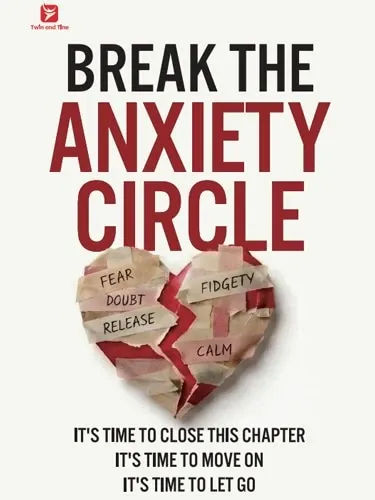
Best for: Understanding why uncertainty creates anxious thinking patterns
Many anxious thoughts begin with a simple difficulty:
Not knowing.
When the future feels unclear, the brain often tries to create solutions by thinking more.
But repeated analysis does not always create control.
Sometimes it creates a mental loop.
Break the Anxiety Circle explores how anxiety develops through repeated patterns of thought.
The book helps readers understand:
- Why uncertainty can trigger anxiety
- How the mind searches for impossible certainty
- Why repeated worrying does not always solve problems
- How to step away from exhausting thought cycles
The book encourages readers to focus less on controlling every possible outcome and more on changing their relationship with uncertainty.
For people who constantly need reassurance or feel uncomfortable when things are unclear, this perspective can be valuable.
The Confidence Gap
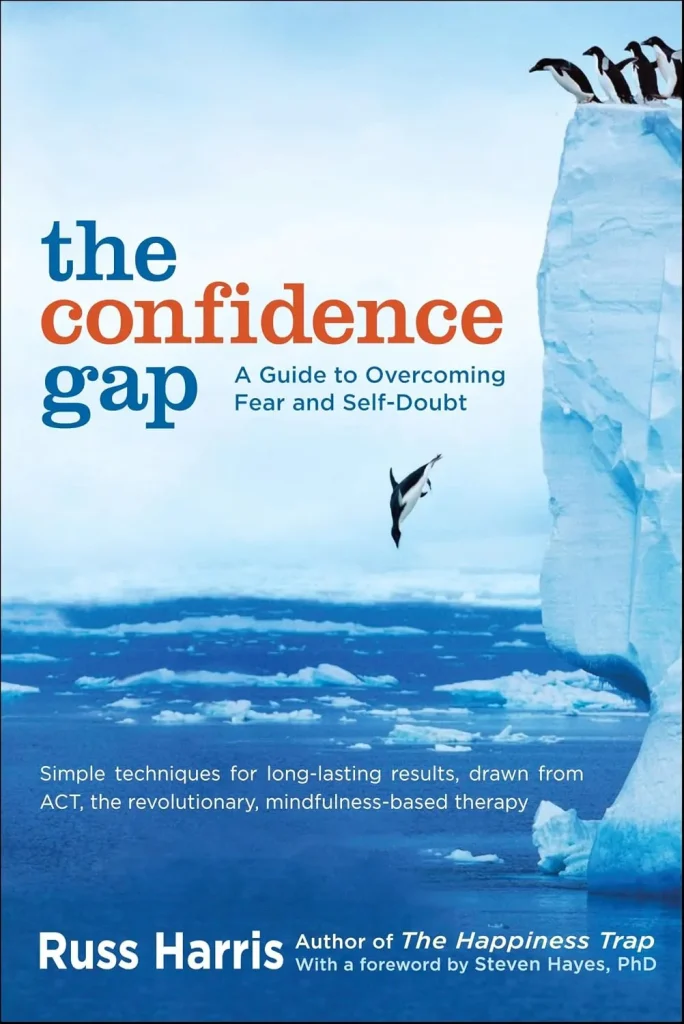
Best for: Building confidence while facing uncertain situations
Fear of uncertainty is often connected to a lack of confidence in handling difficult situations.
People may not only fear what will happen.
They may fear:
“I won’t know what to do.”
“I won’t be able to handle it.”
The Confidence Gap explores how people can take action even when fear and doubt are present.
The book focuses on ideas such as:
- Moving forward despite uncomfortable feelings
- Reducing the power of self-doubt
- Building confidence through action
- Developing psychological flexibility
It is helpful for readers who want to become more comfortable facing situations without having every answer first.
Why Does Uncertainty Create So Much Anxiety?
The fear of uncertainty is often connected to how the brain responds to the unknown.
The Brain Prefers Predictability
Knowing what will happen creates a sense of safety.
When the future is unclear, the mind may become more alert.
You Try to Prevent Every Possible Problem
Many people believe that thinking ahead can protect them.
Preparation can be helpful.
But trying to predict every outcome can become overwhelming.
You Doubt Your Ability to Handle Challenges
Sometimes the fear is not about the situation itself.
It is about whether you believe you can cope with whatever happens.
How Can Books Help You Deal With Uncertainty?
A helpful book can shift your focus.
Instead of asking:
“How can I guarantee nothing goes wrong?”
You may start asking:
“How can I handle whatever happens?”
“How can I trust myself more?”
“What can I control right now?”
This change in perspective can make uncertain situations feel less overwhelming.
Choosing the Right Book for Fear of Uncertainty
Choose Break the Anxiety Circle if you want to:
- Understand anxious thought patterns
- Learn why uncertainty triggers worry
- Create distance from repetitive thinking
Choose The Confidence Gap if you want to:
- Build confidence during uncertain moments
- Take action despite fear
- Develop greater emotional flexibility
Both books approach uncertainty from different perspectives.
One helps you understand the anxiety cycle.
The other helps you strengthen your ability to move forward.
Final Thoughts
Uncertainty is something everyone experiences.
The goal is not to eliminate every unknown.
It is to develop the confidence and awareness to handle what comes next.
Break the Anxiety Circle is a helpful choice for readers who want to understand how anxious thinking develops and learn healthier ways to respond to uncertainty.