When Your Mind Keeps Trying to Control Everything
Some things in life simply cannot be controlled. You cannot decide how another person will respond, whether a past decision will turn out differently, or exactly what will happen next.
Knowing that intellectually does not make it easy emotionally. You may still replay conversations, think through every possible outcome, or keep searching for a way to make an uncertain situation feel safe.
That is where letting go becomes difficult. You are not necessarily trying to control everything because you want power. Sometimes you are simply trying to avoid the discomfort of not knowing what happens next.

Why Letting Go Feels Hard
When something matters to you, uncertainty can feel like unfinished business. Your mind keeps returning to the same question because it believes another round of thinking might finally produce an answer.
But some situations do not offer an answer you can think your way into. The more you revisit them, the more mentally exhausted you become without actually gaining more control.
Learning to let go does not mean becoming careless. It means recognizing the point where thinking has stopped helping and started keeping you emotionally stuck.
1. Break the Anxiety Circle by Miles Carter
Break the Anxiety Circle is closely connected to this struggle because so much anxiety comes from trying to find certainty where certainty is not available.
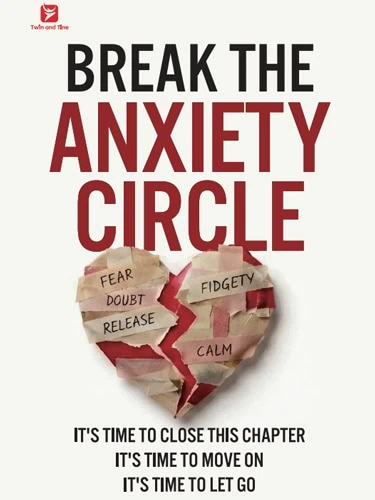
The book explores overthinking, anxiety loops, emotional patterns, self-doubt, and the difficulty of letting go of the past. These themes often overlap when you are caught in a situation you cannot change. You replay what happened, imagine different outcomes, and keep asking yourself what you could have done differently.
One of the book’s important ideas is learning to recognize when your mind has moved from useful reflection into a repeating loop. That distinction can be surprisingly difficult because excessive thinking can feel productive even when it is only repeating the same concerns in different words.
Its discussion of letting go is especially relevant here. The point is not to stop caring about what happens. It is to stop spending all your emotional energy trying to control an outcome that is no longer yours to decide.
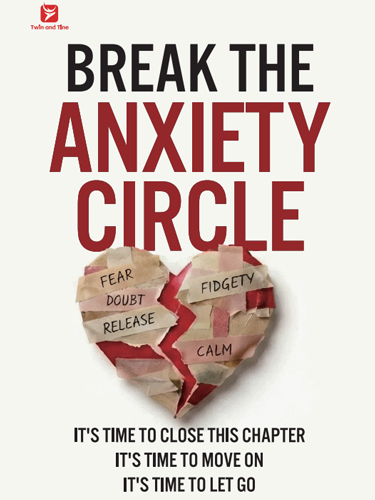
Break the Anxiety Circle
Miles CarterA mental reset for people trapped in the overthinking loop. Understand why your mind won’t stop racing — and how to break free from anxiety, people-pleasing, and emotional exhaustion.
The book also connects this pattern with self-worth and other people’s opinions. Sometimes the need for control becomes stronger because you believe a particular outcome will determine whether you are good enough, accepted, or safe.
For readers searching for books for letting go of things you can’t control, Break the Anxiety Circle offers a practical look at the mental habits that make letting go so difficult in the first place.
2. The Untethered Soul by Michael A. Singer
The Untethered Soul takes a broader approach to the way people relate to their thoughts and inner experiences. Rather than trying to eliminate every uncomfortable thought, it encourages readers to step back and observe what is happening in the mind.
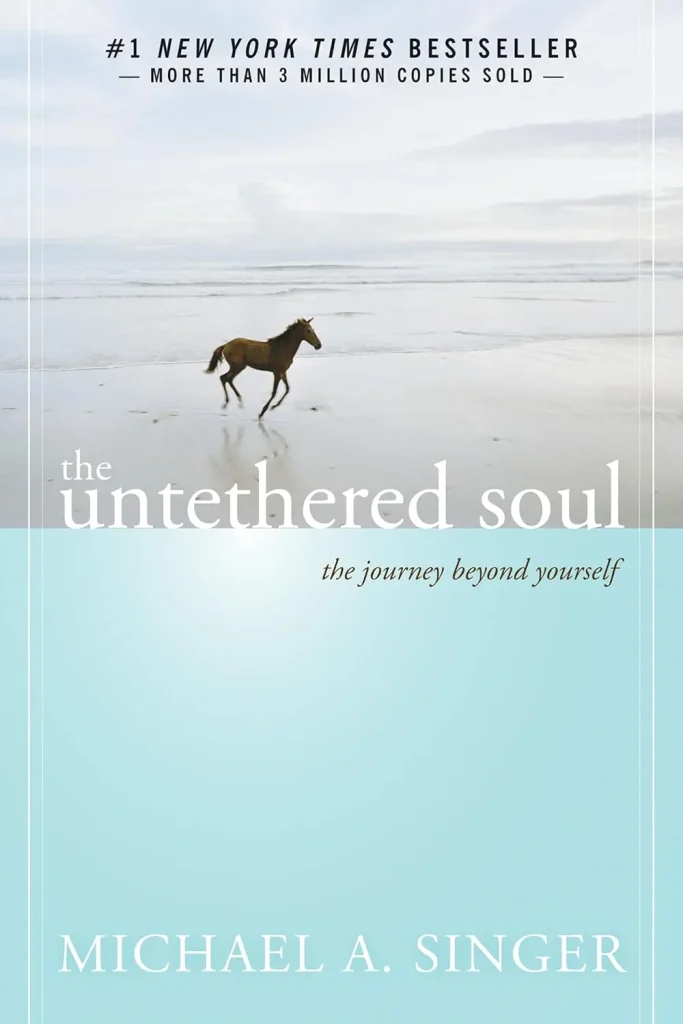
That perspective can be useful when your thoughts keep pulling you back into situations you cannot change. Instead of automatically following every worry or mental argument, you begin to notice that you can observe a thought without having to solve it.
The book is less focused on specific anxiety situations and more interested in creating distance from the constant internal commentary that can make everyday life feel heavier.
3. Letting Go by David R. Hawkins
Letting Go focuses on the emotional side of releasing thoughts, feelings, and reactions that people tend to hold onto. Its central idea is that emotional resistance can keep difficult experiences active long after the original situation has passed.
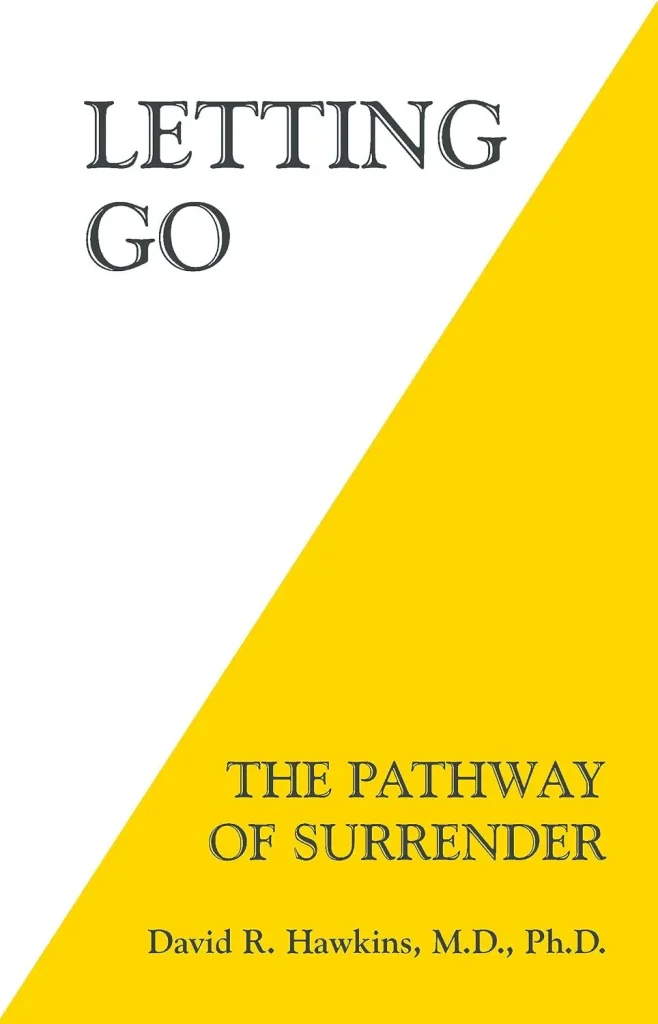
For readers who find themselves clinging to anger, fear, disappointment, or regret, the book offers a framework for looking at those emotions differently.
Its approach is more reflective than practical in the everyday sense, but it can be useful for people who want to explore why certain emotions are so difficult to release even when they know intellectually that they cannot change the past.
You Cannot Control Every Outcome
One of the hardest lessons in life is accepting that effort does not guarantee a particular result. You can prepare carefully and still be surprised. You can communicate honestly and still be misunderstood. You can make what seems like a reasonable decision and still have things turn out differently.
That uncertainty can trigger the urge to think even more. But more analysis does not necessarily produce more control.
Break the Anxiety Circle approaches this problem by helping readers identify the point where thought stops being useful and becomes part of the anxiety cycle. Once you recognize that pattern, letting go becomes less about forcing yourself to “stop worrying” and more about changing what you do when the worry appears.

Letting Go Does Not Mean Giving Up
There is a difference between accepting what you cannot control and becoming passive. You can still make plans, protect your boundaries, prepare for challenges, and make thoughtful decisions.
What changes is the amount of energy you spend trying to guarantee the outcome. You do what is within your control, then stop demanding certainty from the parts of life that cannot provide it.
That shift can make your mind feel noticeably quieter. You are still engaged with your life, but you are no longer trying to mentally solve every possible future before it arrives.
What Happens When You Stop Replaying the Past
Letting go is also closely connected to the past. A difficult conversation, bad decision, or painful experience can become a mental reference point that you keep returning to.
You may wonder what would have happened if you had acted differently. You may imagine another version of the conversation or criticize yourself for something you did years ago.
Break the Anxiety Circle addresses this tendency through its focus on regret and the difficulty of releasing old emotional patterns. The past can teach you something, but constantly revisiting it does not give you the ability to rewrite it.

Learning to take the lesson without continuing the mental replay can create space for something else: your actual life as it is now.
A Calmer Mind Has More to Do With Release Than Control
Trying to control every uncertainty is exhausting because there will always be another variable you cannot predict. Another person’s feelings, a future outcome, a past decision, or an unexpected change can pull you back into the same cycle.
The books above approach this problem differently. Break the Anxiety Circle focuses on the anxiety and overthinking patterns behind the struggle, The Untethered Soul explores stepping back from constant mental commentary, and Letting Go takes a deeper look at emotional release.
For readers searching for books for letting go of things you can’t control, the common thread is not learning to care less. It is learning where your responsibility ends, so your mind does not spend the rest of its energy trying to control what was never fully yours to control.