The statement arrives. You pay it. Then the next one arrives, and the balance looks almost the same.
That is not a sign that you are lazy. It usually means you are trying to solve the wrong debt problem.
Some people need a payoff plan. Some need to repair their credit and rebuild their habits. Some need to understand why paying on time has not changed their position.
Most debt advice treats all three as the same problem. They are not.
What Kind of Debt Problem Are You Actually Trying to Solve?
There are three common situations:
- You keep paying, but the balance barely moves.
You need to understand the structure of the debt itself. - You need a concrete plan for what to pay first.
You need practical steps, creditor strategy, and a schedule. - You feel like you have tried everything and need to rebuild from the ground up.
You need a system that does not shame you for where you are.
The books below fit those three situations differently. Start with the one that matches yours.
If You Keep Paying but the Balance Barely Moves
From Debt to Wealth by Owen Pierce
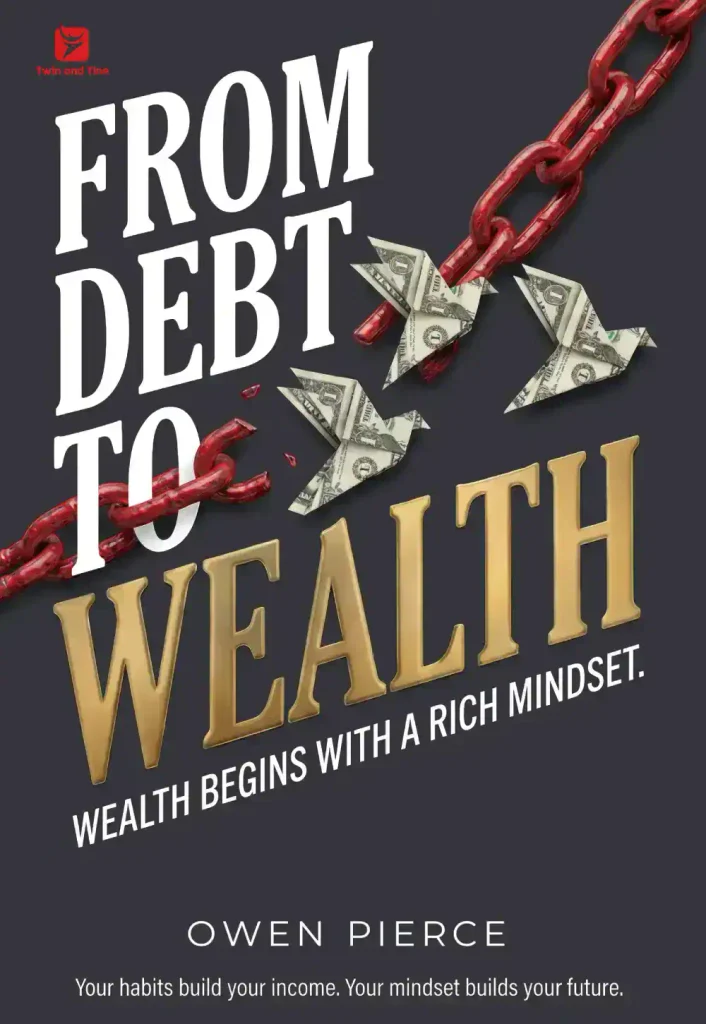
Best if your real question is not “Which bill do I pay first?” but “Why does the same cycle keep happening?”
Most debt advice starts with the payment. This book starts with the structure behind it.
It looks at which debts drain you, which can work for you, why paying off the wrong thing first can keep you stuck, and why loyalty to a system that keeps you paying is not a virtue. It also examines how wealthy people use debt differently—not as a trick, but as a different understanding of position and leverage.
Choose this if you have paid on time for months and still feel further behind. It helps you understand the debt before you attack it.

From Debt to Wealth
Owen PierceYour paycheck comes in. The bills go out. And somehow, you’re back at zero again.
Learn why earning more does not always create financial progress—and what has to change before your money starts working differently.
If You Need a Step-by-Step Payoff Plan
Zero Debt by Lynnette Khalfani-Cox
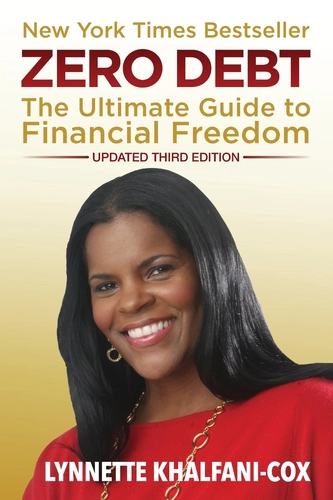
Best if you need concrete instructions, not a new mindset.
Lynnette Khalfani-Cox paid off over $100,000 in credit card debt in three years, and the book is built around what she actually did.
It covers negotiating with creditors, prioritizing debts, dealing with collection agencies, rebuilding credit, and avoiding the traps that made the debt worse. It is direct and practical. If you want a plan you can start this week, this is the one.
If You Need to Rebuild Your Whole Financial Life
Get Good with Money by Tiffany Aliche
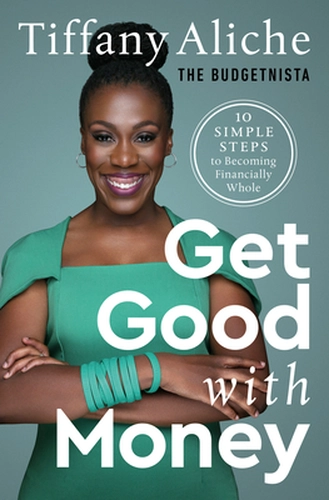
Best if you feel like you have tried everything and need a system that does not shame you.
Tiffany Aliche, known as “The Budgetnista,” built her following by teaching people how to rebuild from the ground up.
This book covers organizing accounts, improving your credit score, negotiating better terms, and building a plan that fits your actual life. The tone matters: it does not treat being in debt as a moral failure. If avoiding your statements has become a habit, this book gives you a way to face them without feeling worse.
Which One Should You Start With?
- If you need a plan this week: Zero Debt.
- If you need to rebuild from a messy financial life: Get Good with Money.
- If you keep paying and still feel stuck because the structure is working against you: From Debt to Wealth.
That last distinction is the one most people miss. A payoff plan helps you move through the debt. Understanding the debt helps you stop returning to it.
If your main frustration is not “I don’t know which bill to pay” but “I don’t understand why this keeps happening,” From Debt to Wealth is the better fit.
A Quick Note on Buying from Twin & Tine
From Twin & Tine, You can read a sample chapter before buying. Checkout is secure, and the edition is the official publisher edition.
If you are not sure yet, start with the sample chapter. If it answers the question you have been carrying, the book is the next step.
The next statement will still arrive. But the way you understand it can change before you pay it.

