You earn decent money. You pay your bills. You even save a little now and then. But it still feels like managing your finances takes too much effort—and the results never quite match what you expected.
The problem is probably not a lack of information. The problem is a lack of alignment between how you think about money and how money actually works. When that alignment shifts, managing finances becomes less effort and more routine.
Here are three books that can help you get there.
From Debt to Wealth by Owen Pierce
Most people manage their finances reactively. They earn, they spend, they check their balance at the end of the month and adjust accordingly. That approach works, but it keeps you in a constant state of catching up.
Pierce argues that effective financial management starts with a cognitive shift. He explains why a salary often feels like security but can become a trap. Why buying luxury is frequently about performing success rather than building it. Why the wealthy embrace discomfort while others keep seeking comfort and stay stuck.
When you see money differently, the mechanics of management become simpler. The decisions about what to spend, what to save, and what to invest stop feeling like guesswork. You stop reacting to your finances and start directing them.
If you have felt like you are working too hard to manage money without seeing real progress, this book explains what is missing.
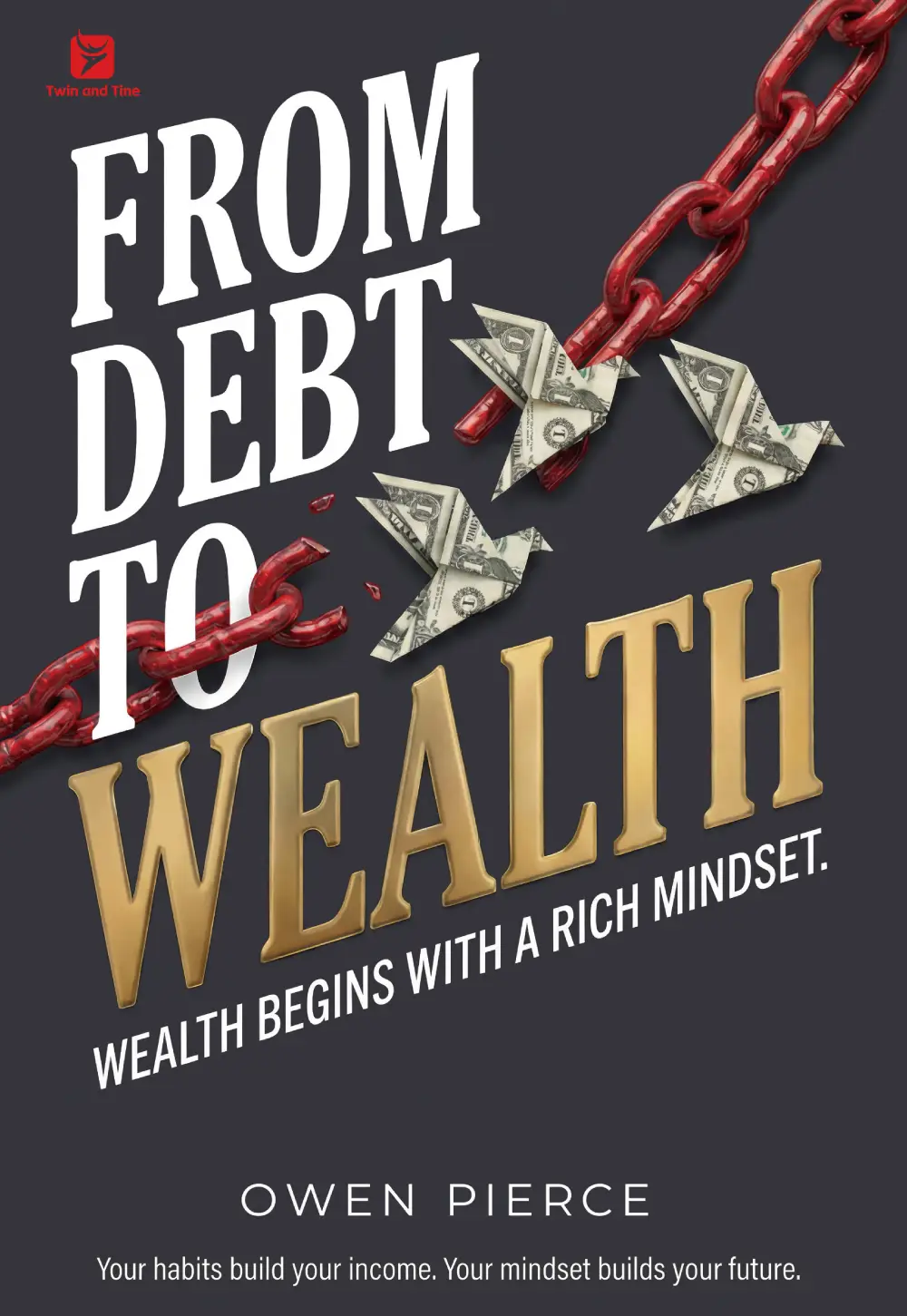
From Debt to Wealth
Owen PierceA money framework for people stuck in the paycheck-to-paycheck cycle. Understand why your income never feels like enough — and how to break out.
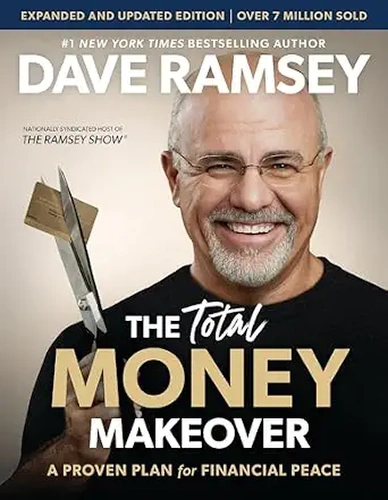
The Total Money Makeover by Dave Ramsey
Ramsey is known for his clear, no‑nonsense system. He breaks effective money management into sequential steps: build a starter emergency fund, pay off debt (smallest balances first), expand your savings, then invest. It is straightforward, easy to follow, and designed for people who need a proven structure.
If you need a step‑by‑step system to get your finances organized, read this.
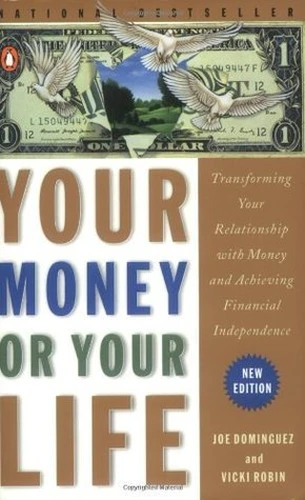
Your Money or Your Life by Vicki Robin and Joe Dominguez
This book reframes money management around a simple question: what are you trading your time and energy for? It includes a tracking system to help you see exactly where your money is going and whether each expense is worth what it costs you in life energy. Once you see that trade clearly, managing money becomes more intuitive and less compulsive.
If you want to manage money based on what matters to you—not just what you are supposed to do—read this.
Where to start
Ramsey gives you a structure to follow. Robin and Dominguez help you align your spending with your values. Both are useful.
But Pierce gives you something neither does: an understanding of why your current patterns formed in the first place. Ramsey’s system works better when you see why you kept breaking old ones. Robin’s reframe lands deeper when you know where your default assumptions came from.
Read the others if you want. They are useful. But start with Pierce—because effective management flows from a clear mental model.
Three books on managing finances effectively. One gives you the mindset. One gives you the system. One gives you the deep reframe. Start with the one that makes the rest possible.
Frequently Asked Questions
Do I need to be good with math to manage my finances effectively?
No. Managing finances effectively is far more about behavior and mental models than about math. The arithmetic is simple. The psychological patterns are what trip people up.
How much time does it take to set up a system that works?
The initial reading and setup can happen over a few weeks. Once the mental model is clear and the habits are in place, the ongoing work is minimal—usually a few minutes a week to check in and adjust.
